


 English
 русский
 Deutsch

Grey Cast Iron Manufacturers
Gray Cast Iron is known for its good casting properties and machinability. During the casting process, the liquid iron has good fluidity and the casting is not easy to crack; its good thermal conductivity and shock absorption effect enable it to effectively absorb machine vibration energy and play a good damping effect, which is one of its important characteristics. In addition, gray cast iron exhibits good lubricity and wear resistance. When loaded repeatedly under the same stress, gray cast iron shows that the bending degree of the strain curve is significantly reduced as the number of loading times increases, and the plastic deformation after unloading is also less. Although its plasticity and toughness are low, it still has a certain strength and good tensile strength.
Grey Cast Iron Automotive Parts
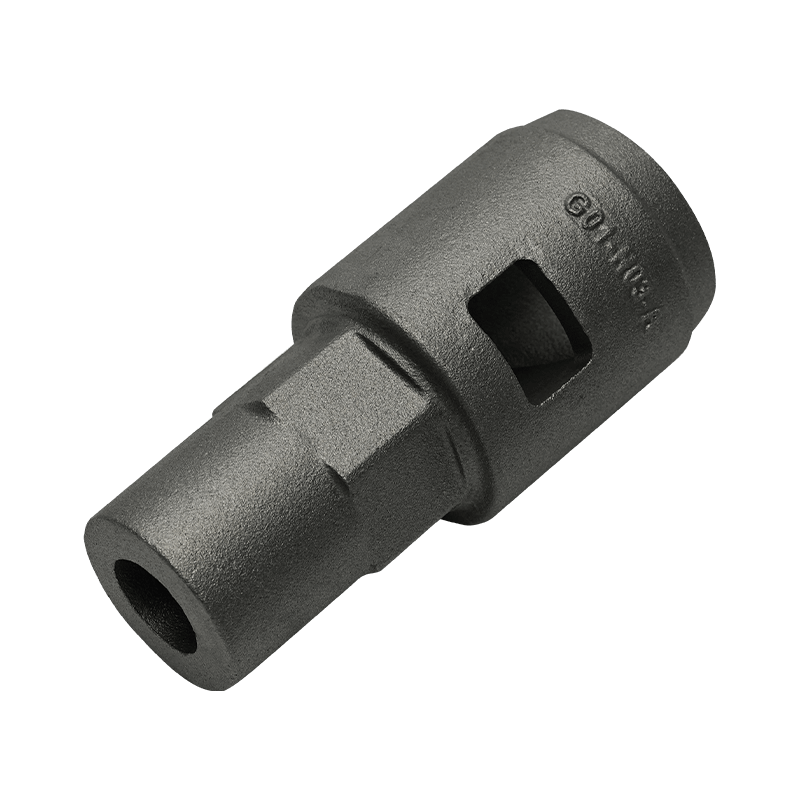
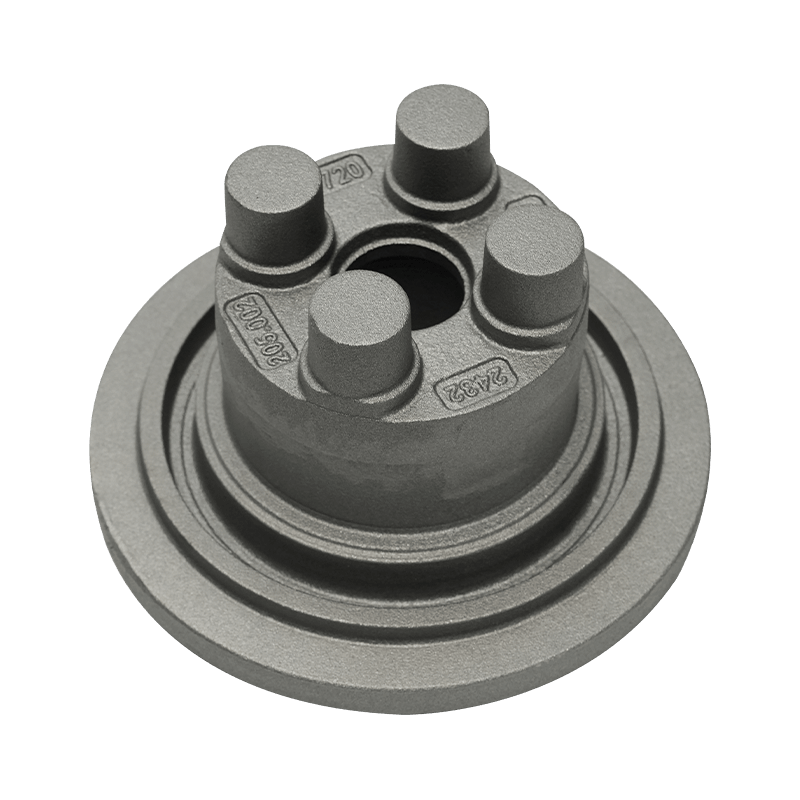
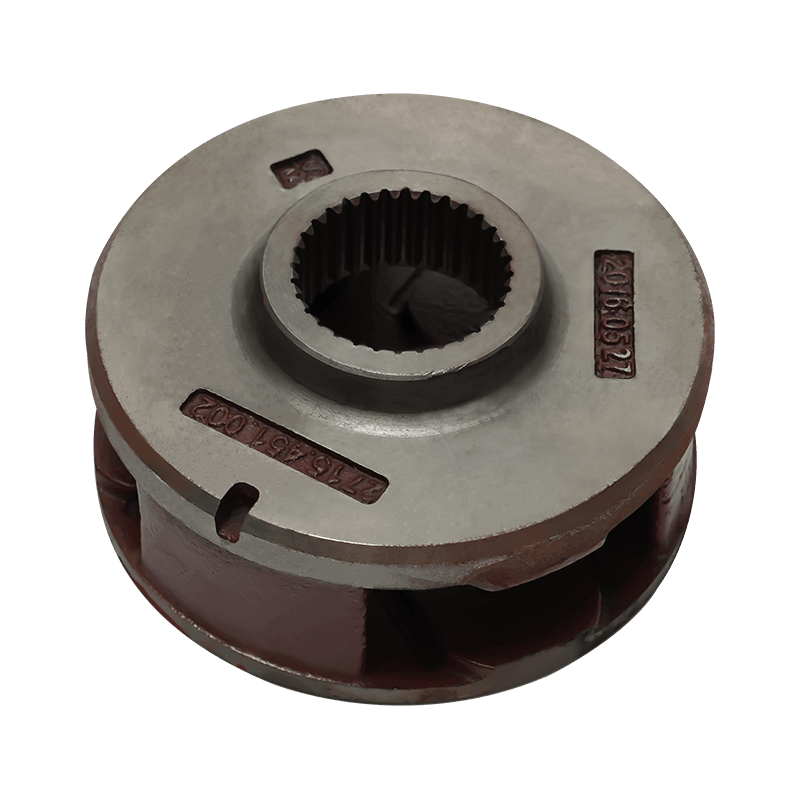
Grey Cast Iron Agricultural Machinery Parts
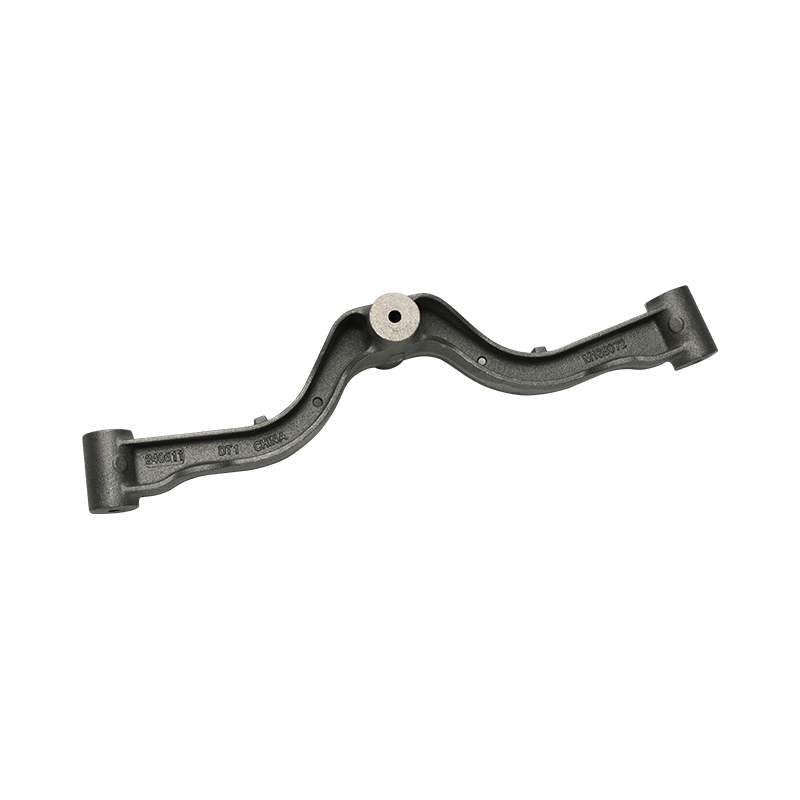
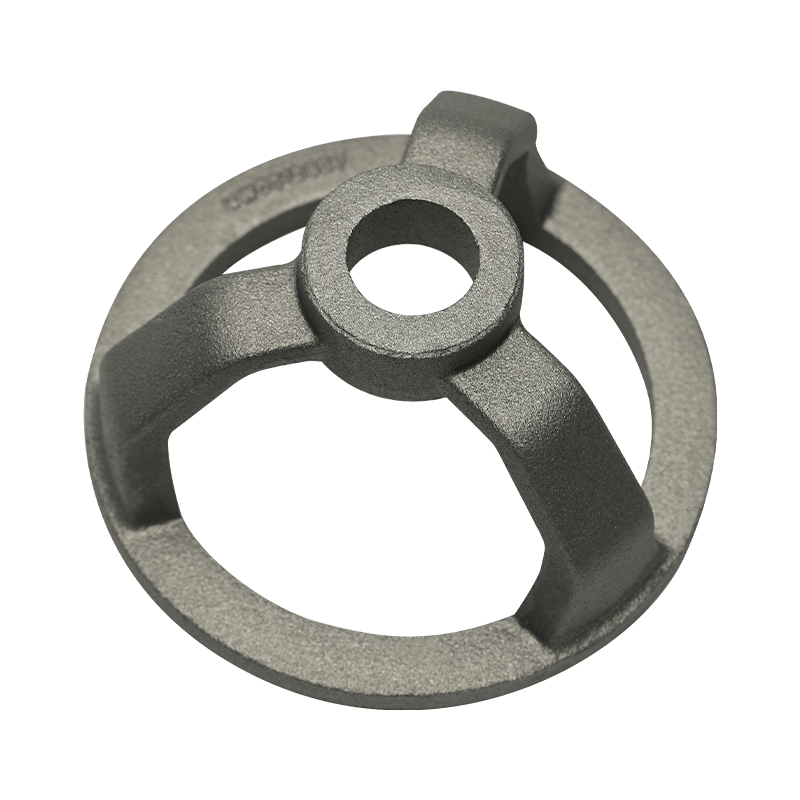
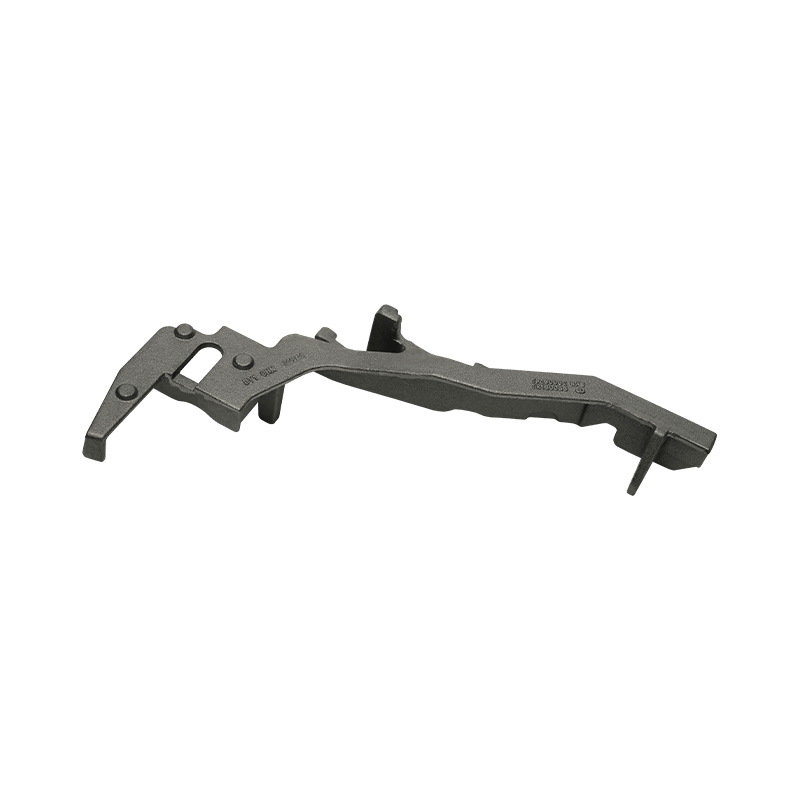
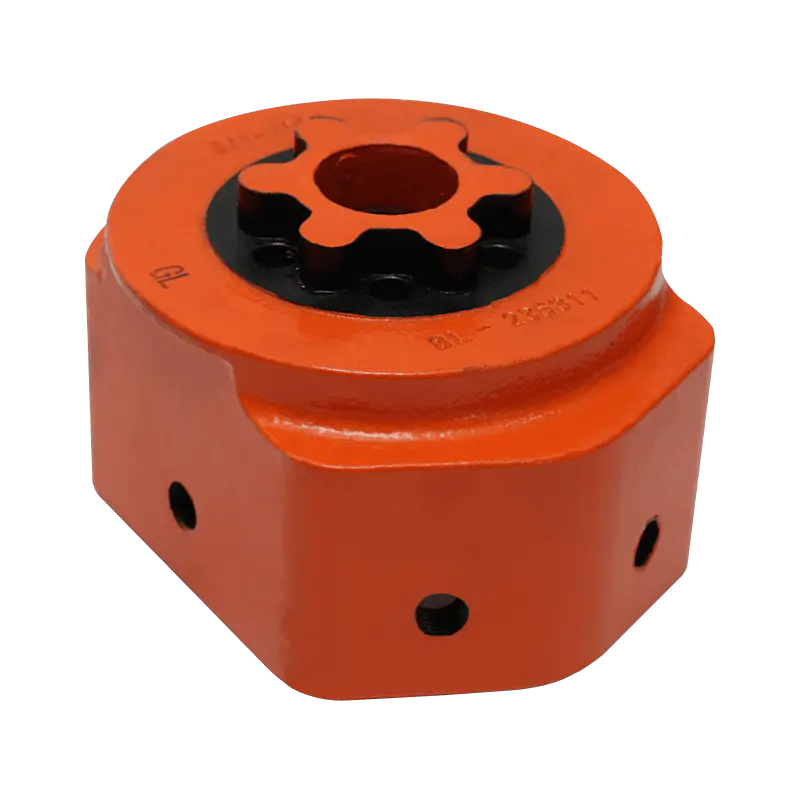
Grey Cast Iron Reducer Accessories
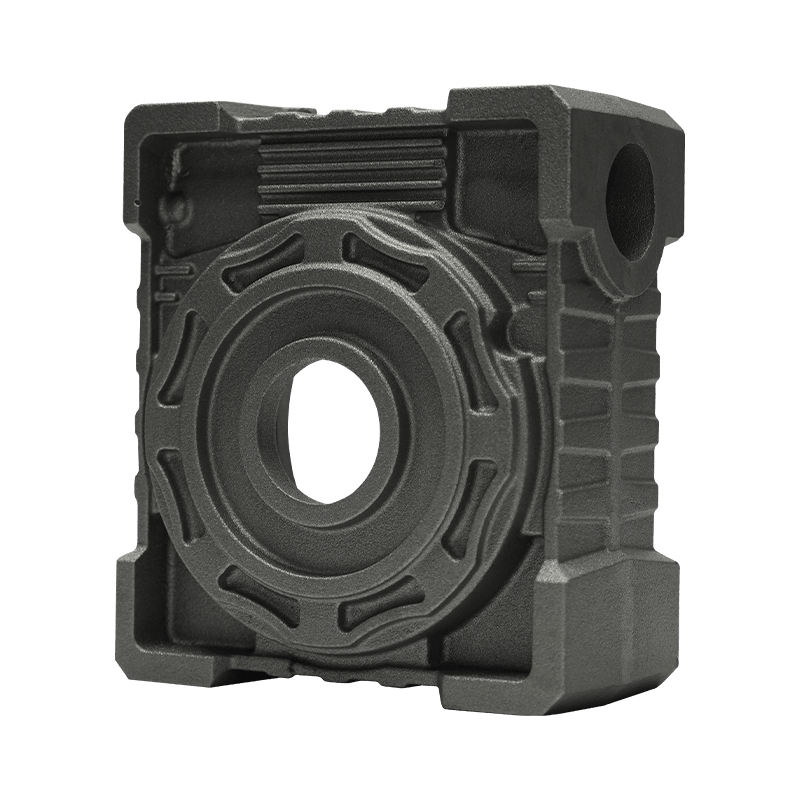
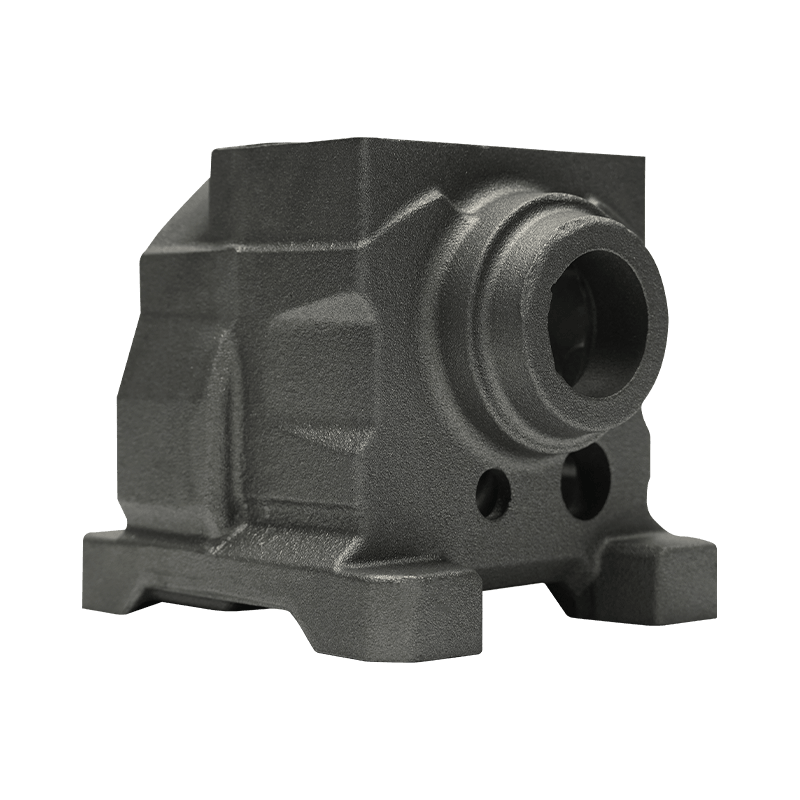
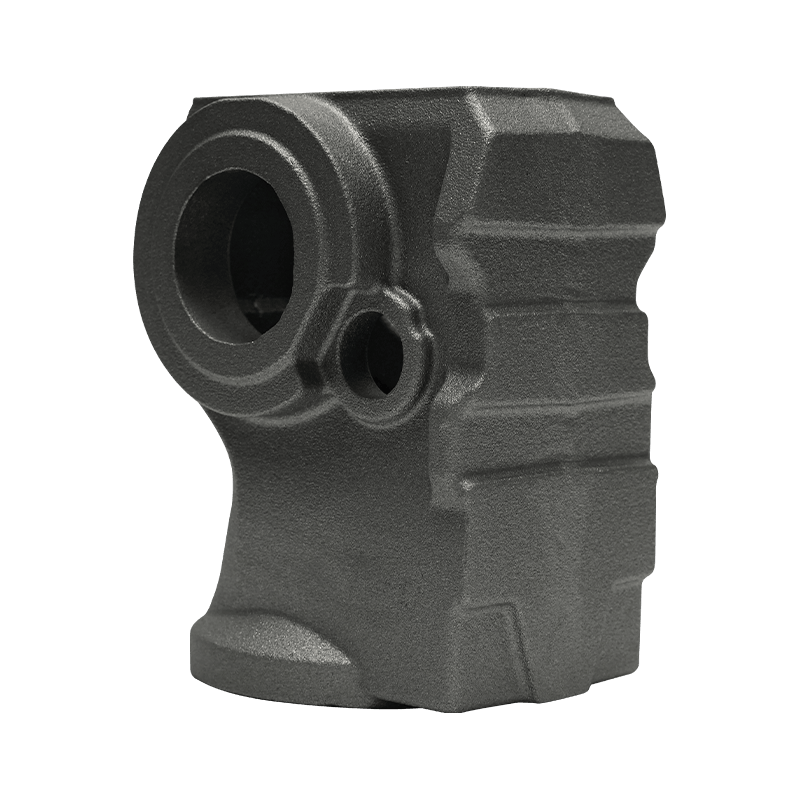
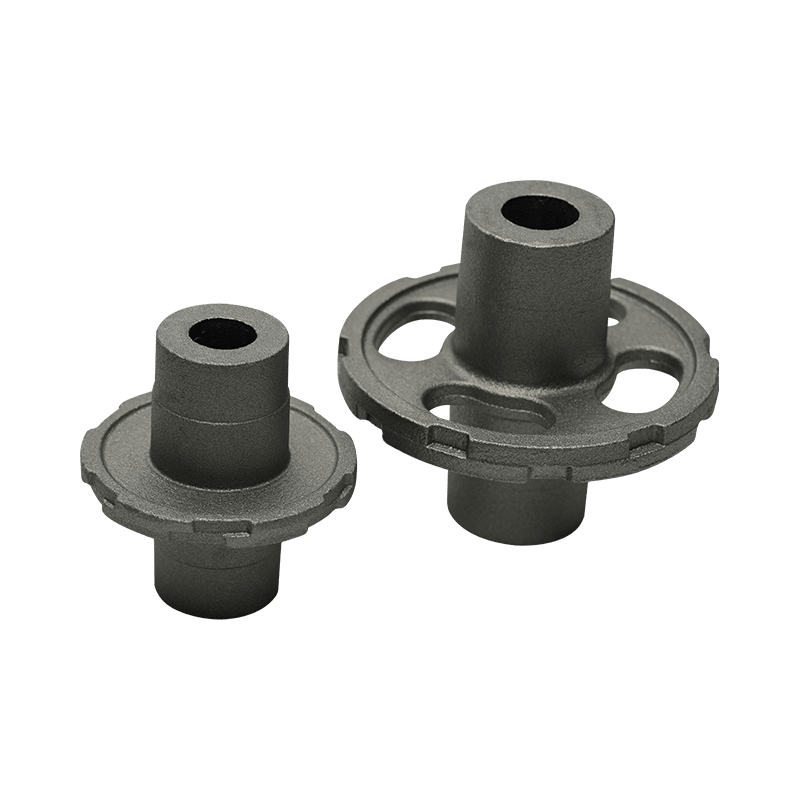
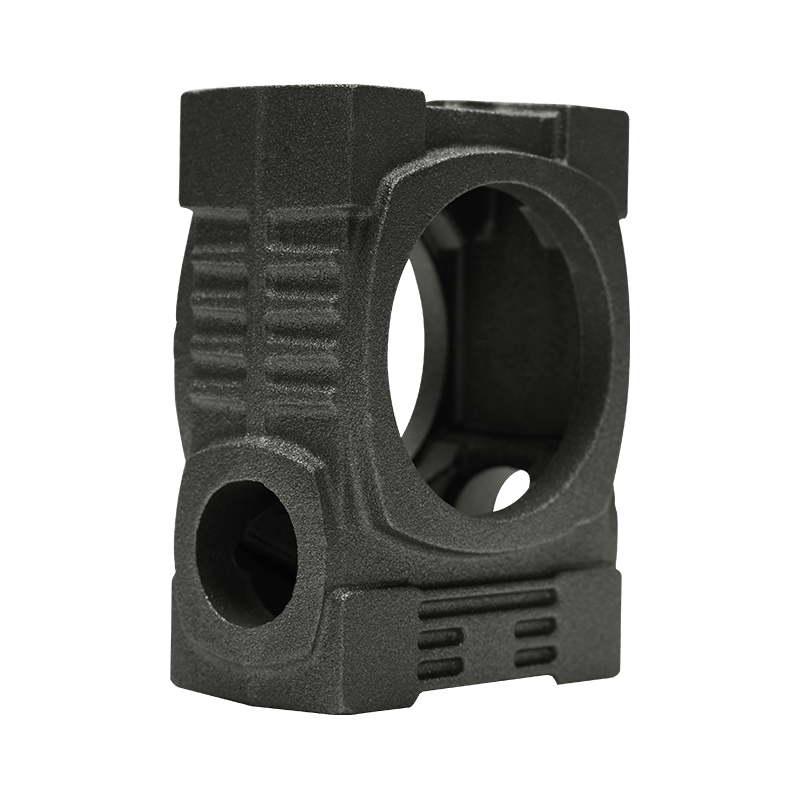
Grey Cast Iron Valve Accessories
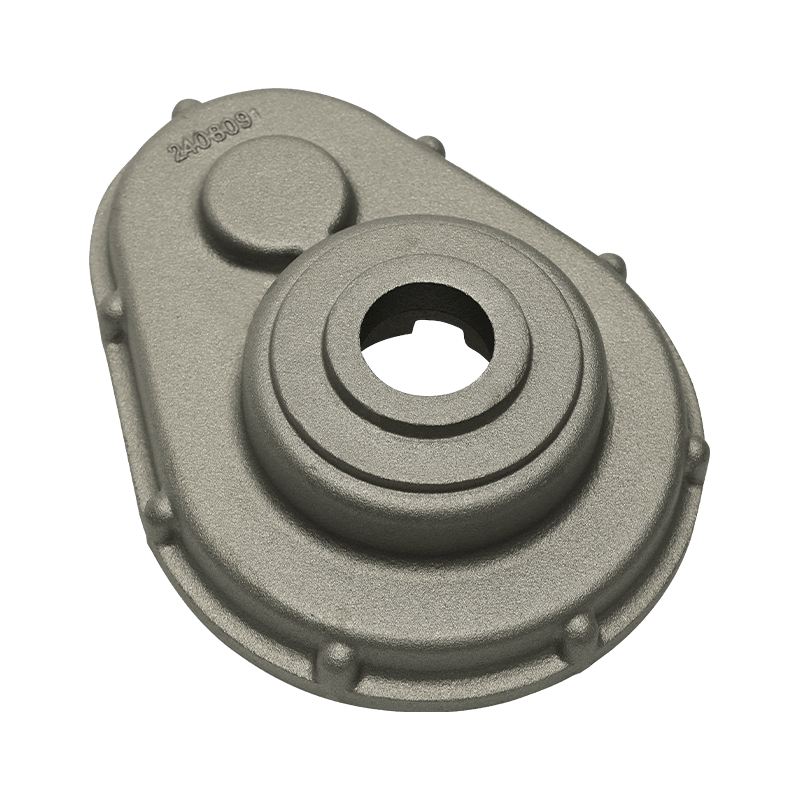
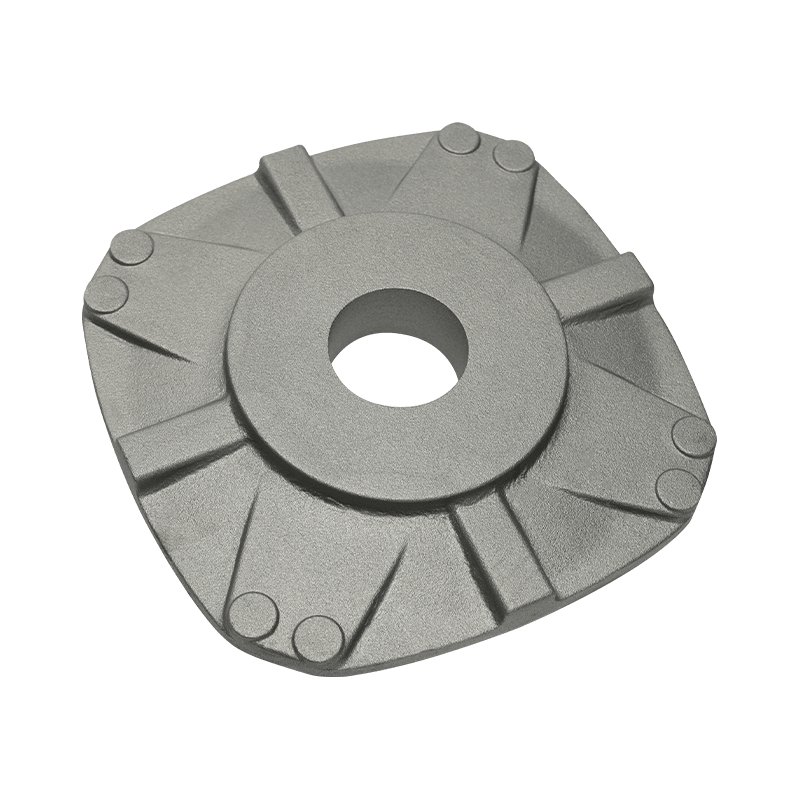
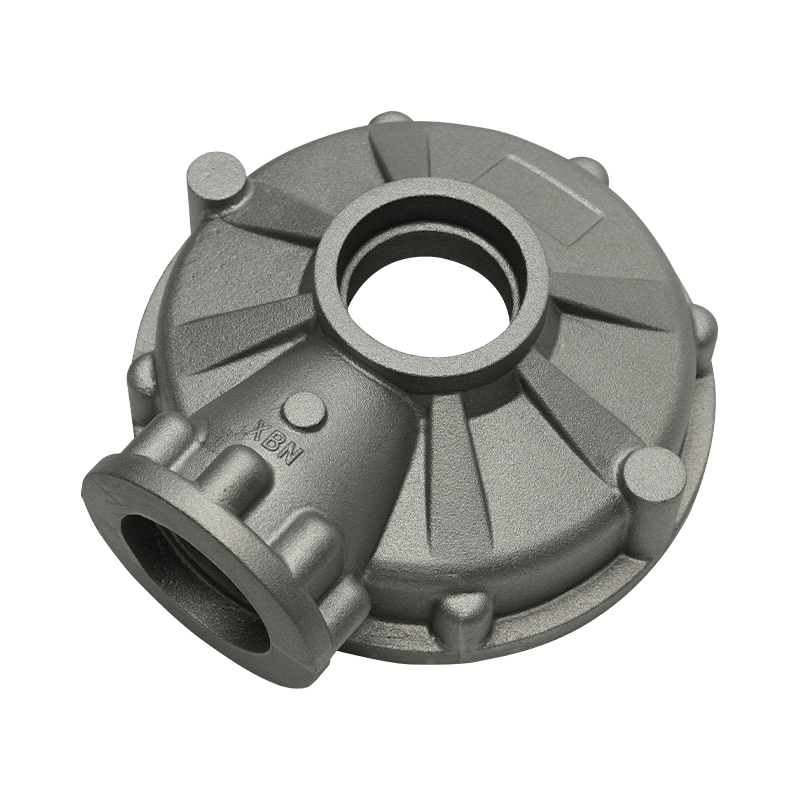
Grey Cast Iron Water Pump Accessories
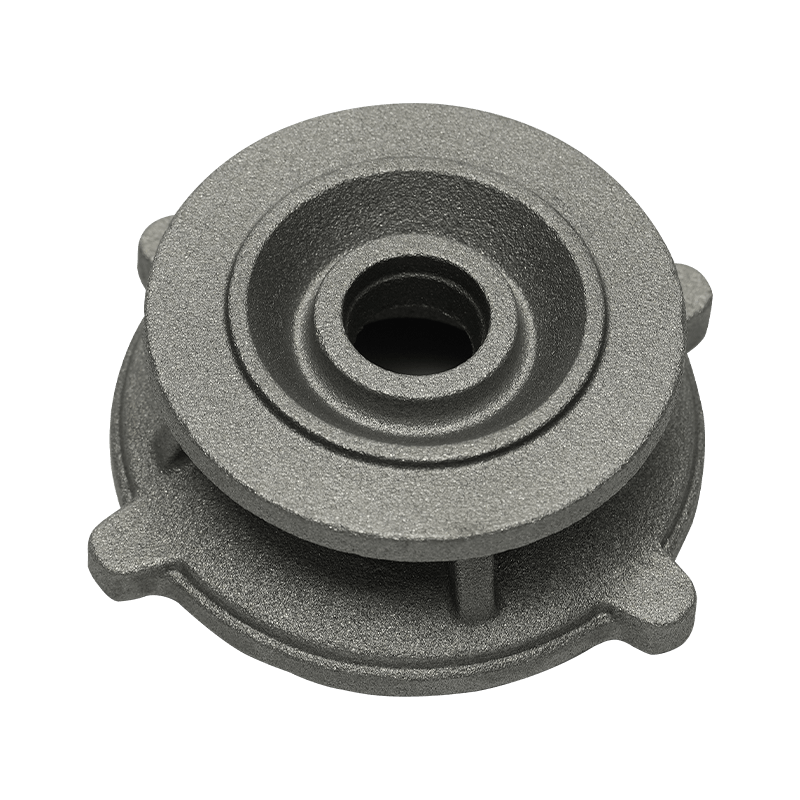
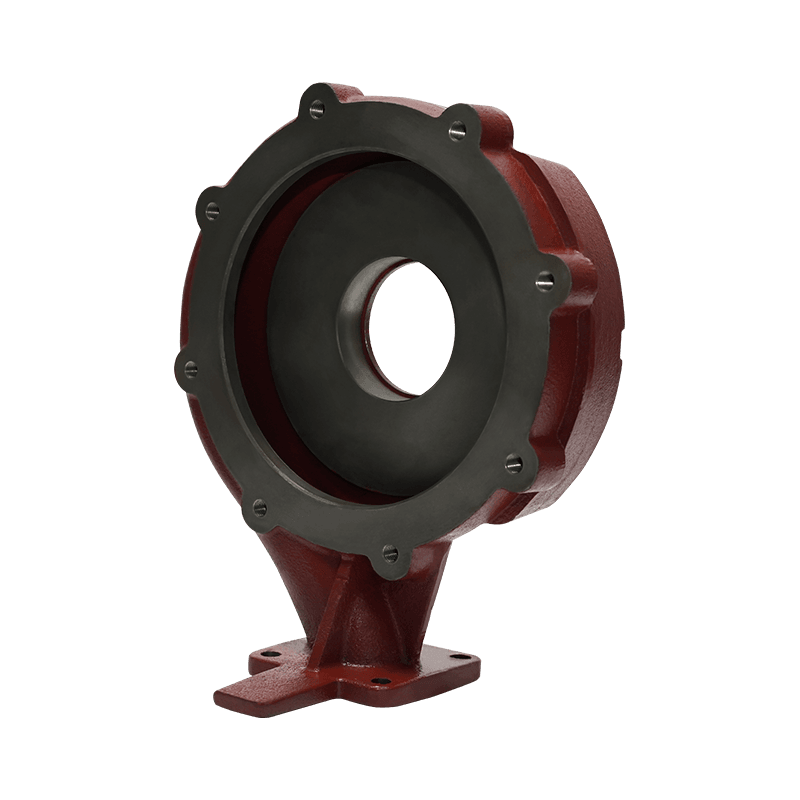
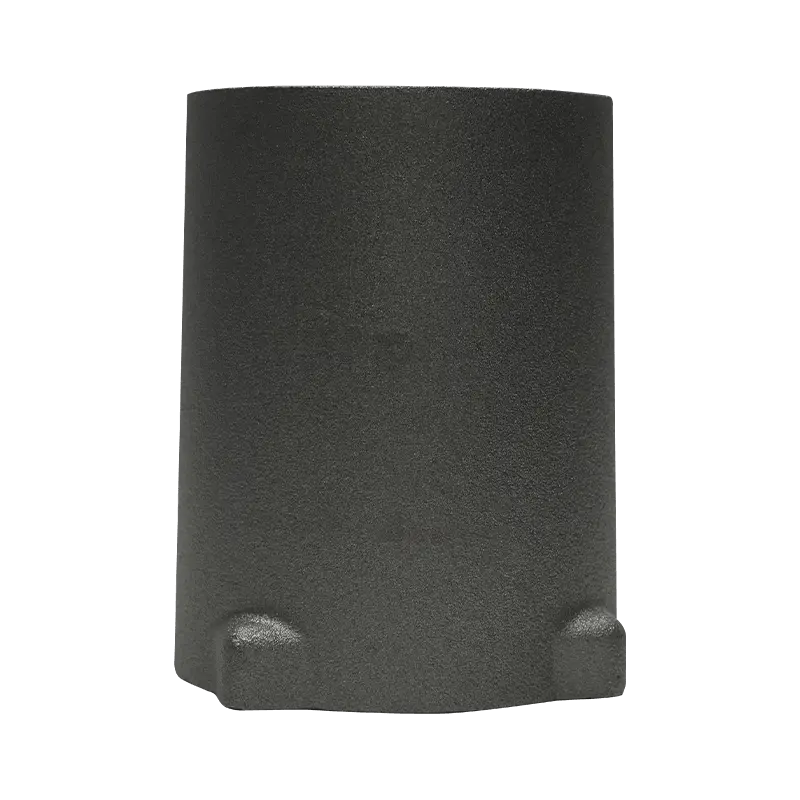
Grey Cast Iron Semiconductor Accessories


Grey Cast Iron Industrial Robot Accessories
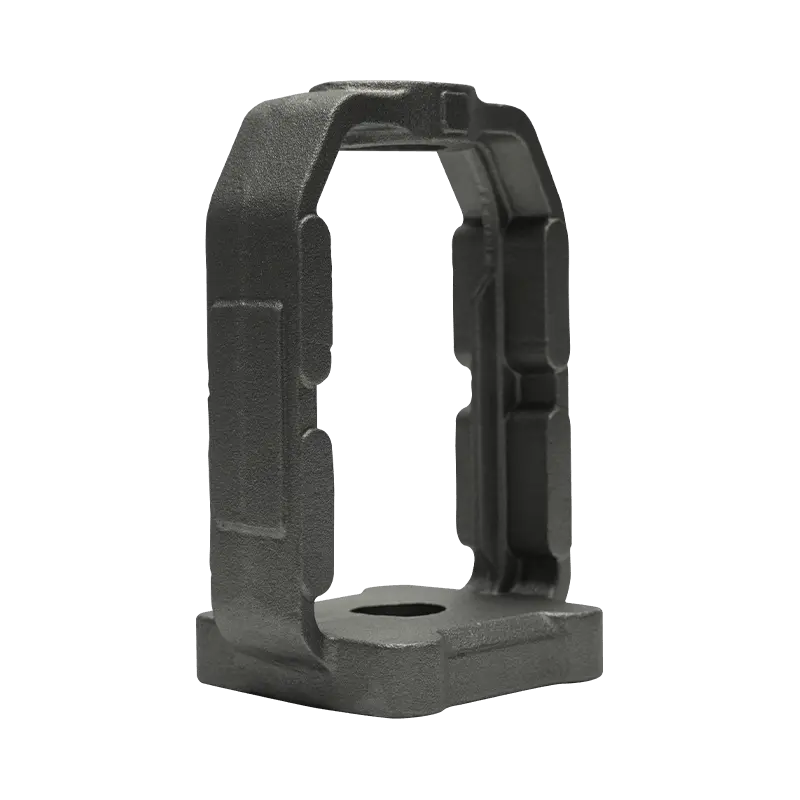
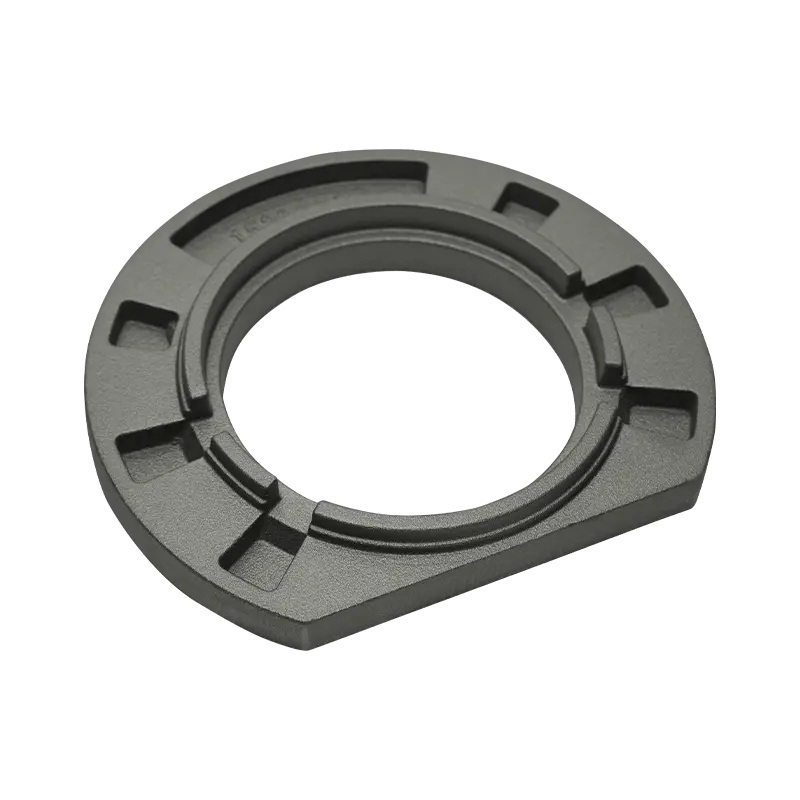
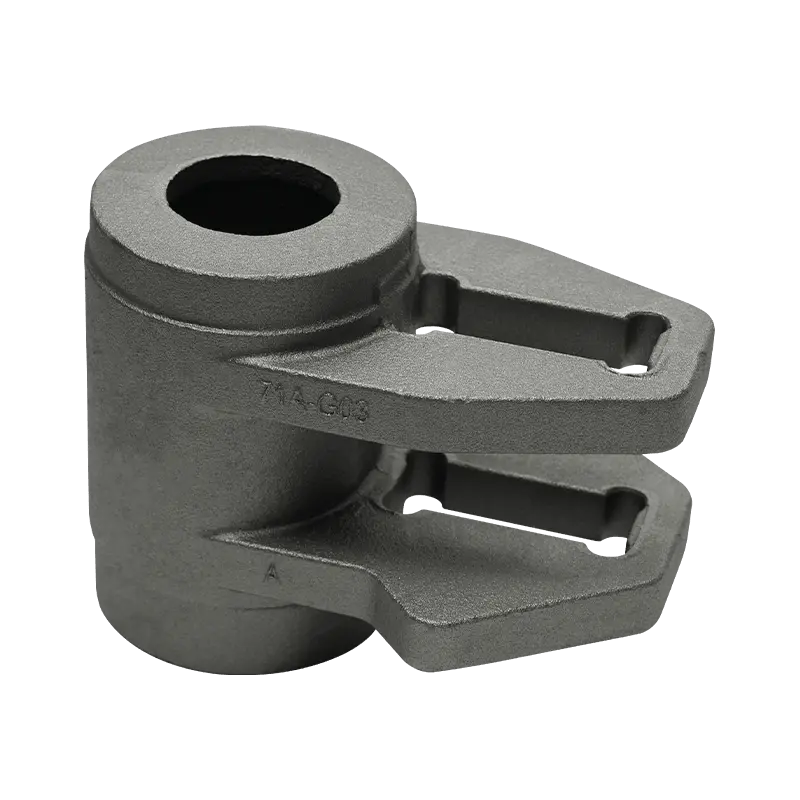
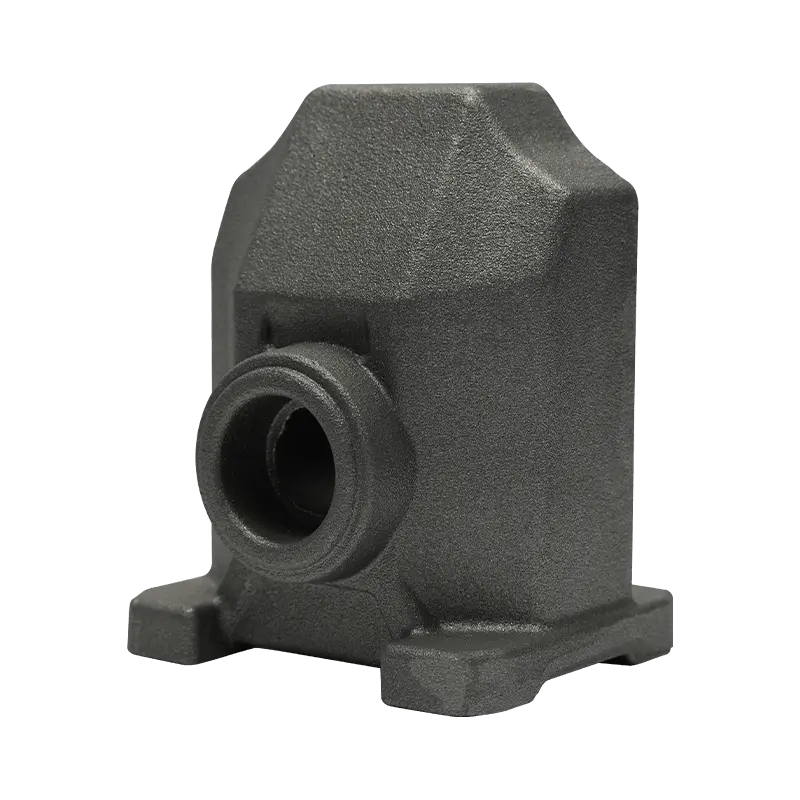
Other Grey Cast Iron Accessories
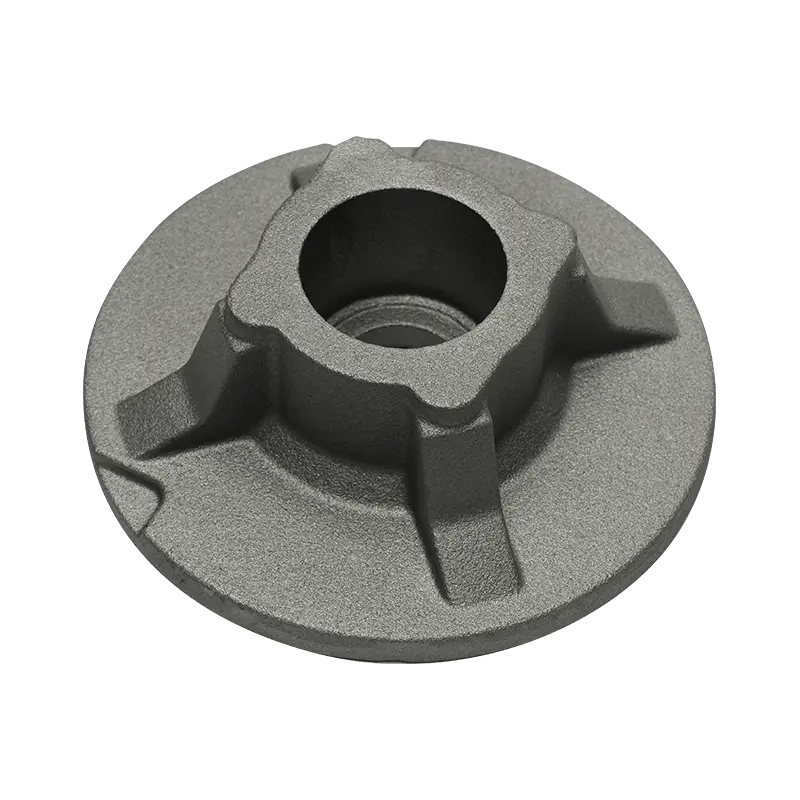
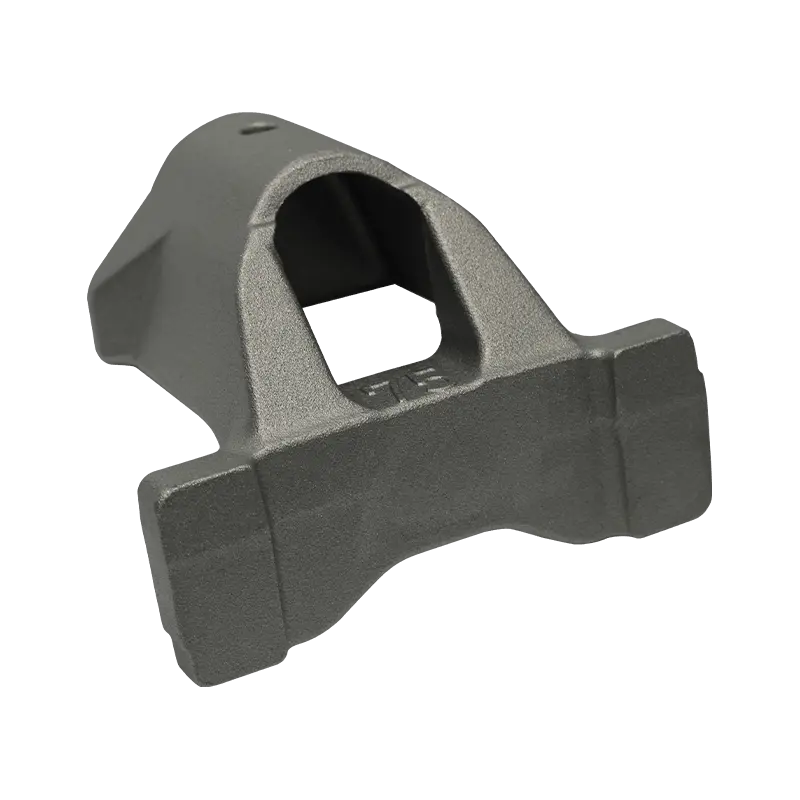
ABOUT US
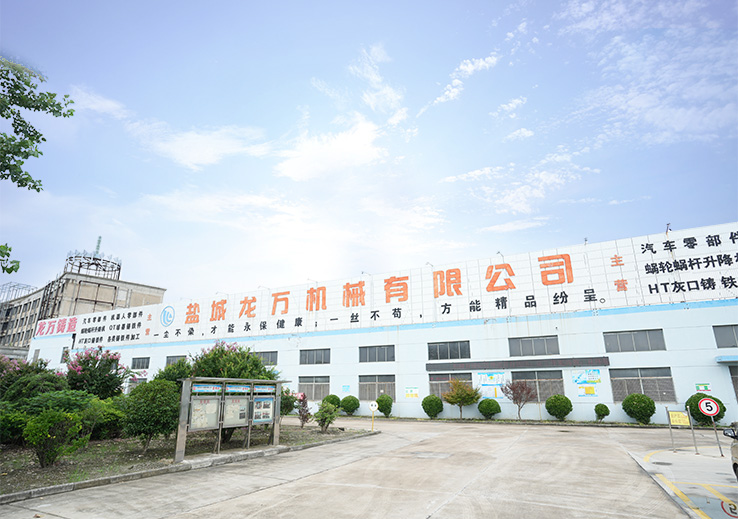
Yancheng Longwan Machinery Co., Ltd.
Founded in 2006, which located next to National Highway 204 in Yancheng City, Jiangsu Province, 40km from the center of Yancheng City, 5km from the center of Dongtai City, 30km from Dafeng District, and 10km from the exit of Baiju Expressway, with convenient transportation.
We mainly produce various types of fire-fighting pipe fittings, reducer parts, auto parts, agricultural machinery, and industrial robot parts. Its main customers include SAIC Group, Deere, Bonfiglioli (China), Shanghai Beixu, Yaskawa Electric, etc.
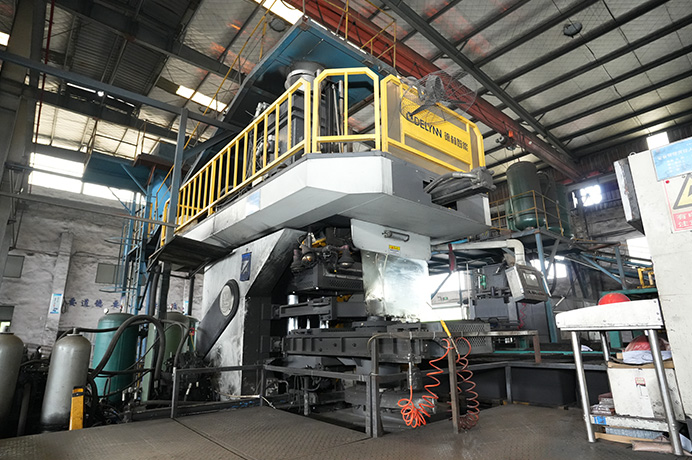
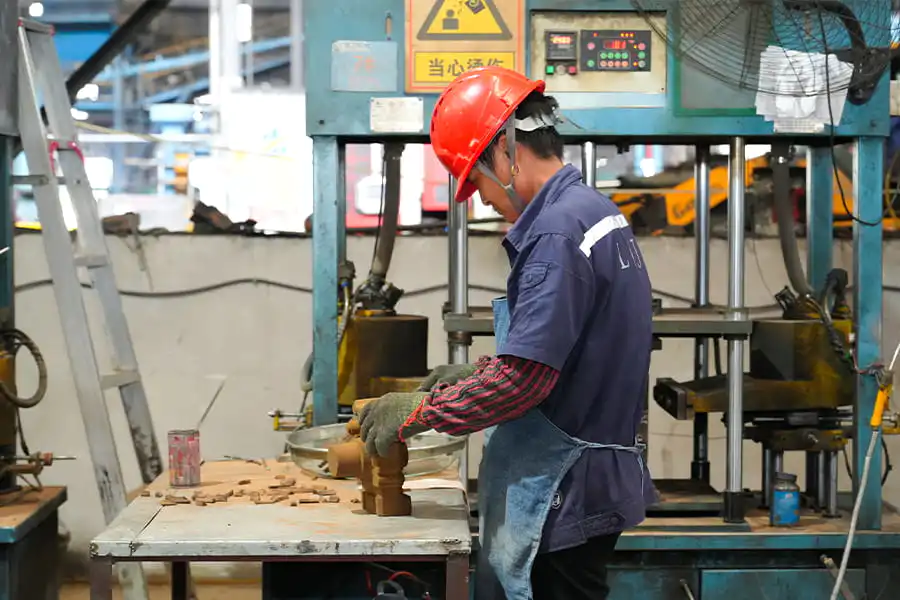
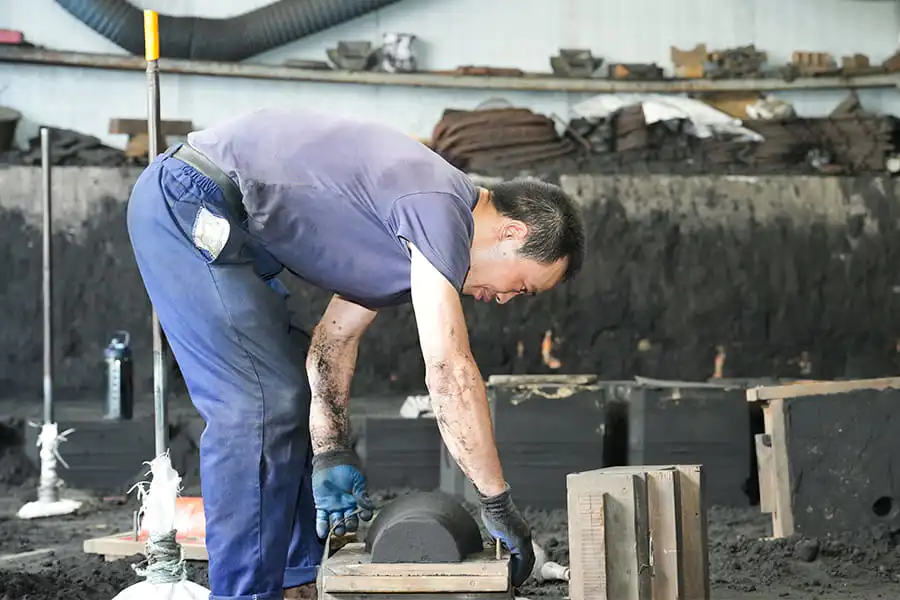
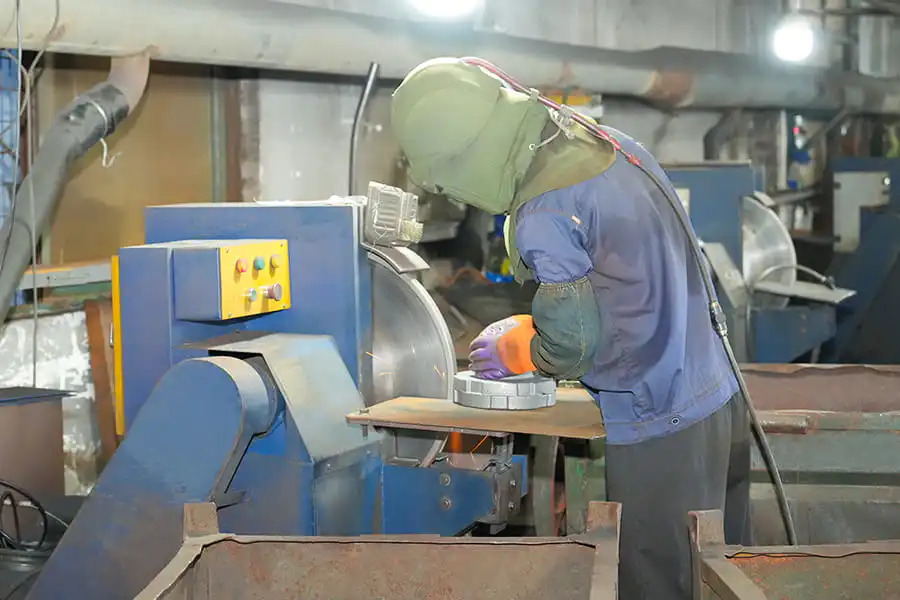
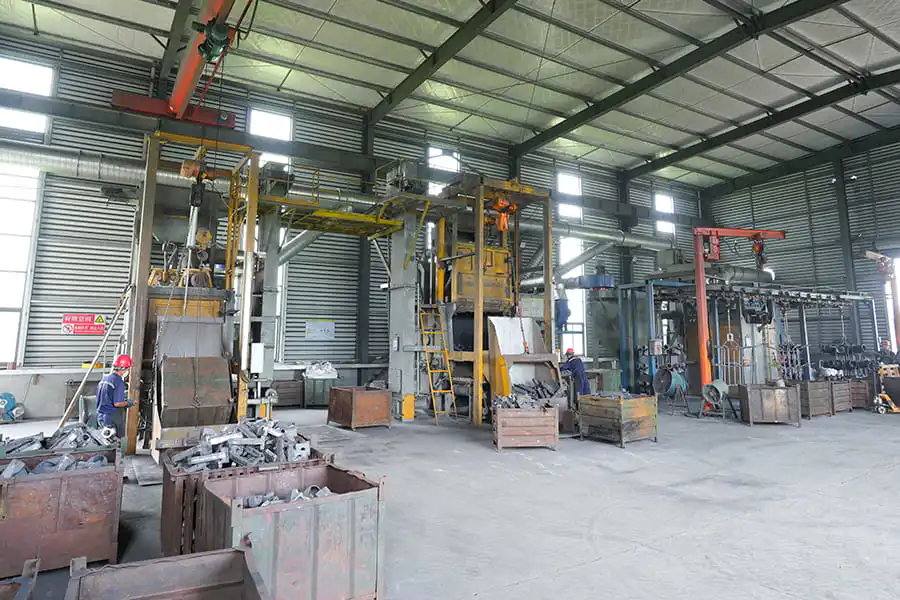
As a famous China Grey Cast Iron Manufacturers and Grey Iron Castings Factory, our company has a variety of molding equipment, including one vertical sand-shot horizontal parting boxless shot-press molding line with specifications of 610*510*240, 120 boxes/hour, suitable for mass production of small parts; one upper and lower sand-shot horizontal parting boxless shot-press molding line with specifications of 750*650*250, 100 boxes/hour, suitable for mass production of small and medium-sized parts; 3 sets of 1.25T medium-frequency electric furnaces; 3 cleaning shot blasting machines, and now planning a lost foam production line, suitable for 100Kg~1000Kg casting production, and planning an automatic spray painting line and an electrophoretic coating line at the same time, 3 CNC lathes and 3 lathes.
ODM Customization Expert
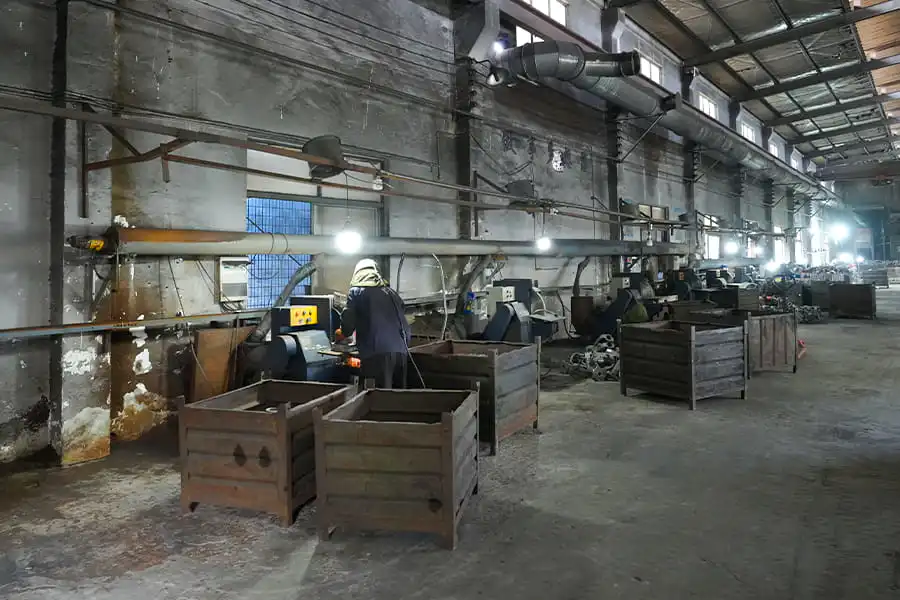
Advanced Production & Processing Equipment
Longwan Machinery has a variety of advanced domestic and foreign molding equipment, including 2 fully automatic production lines for clay sand, 1 semi-automatic production line for clay sand, and 1 coated sand production line, with an annual production capacity of 15,000 tons.
Complete Inspection Flow
Strict Quality Inspection
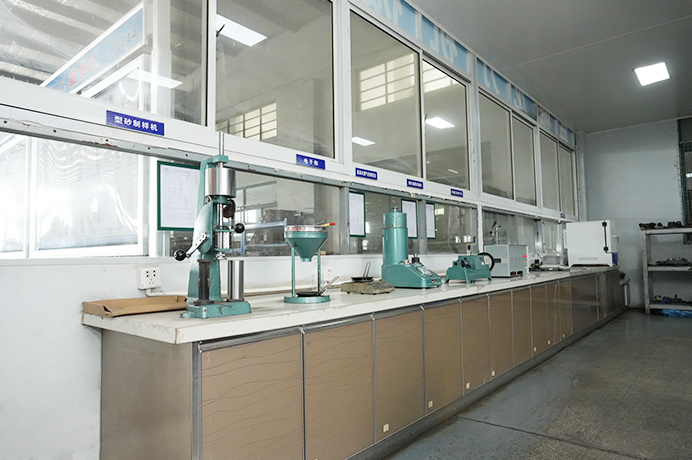
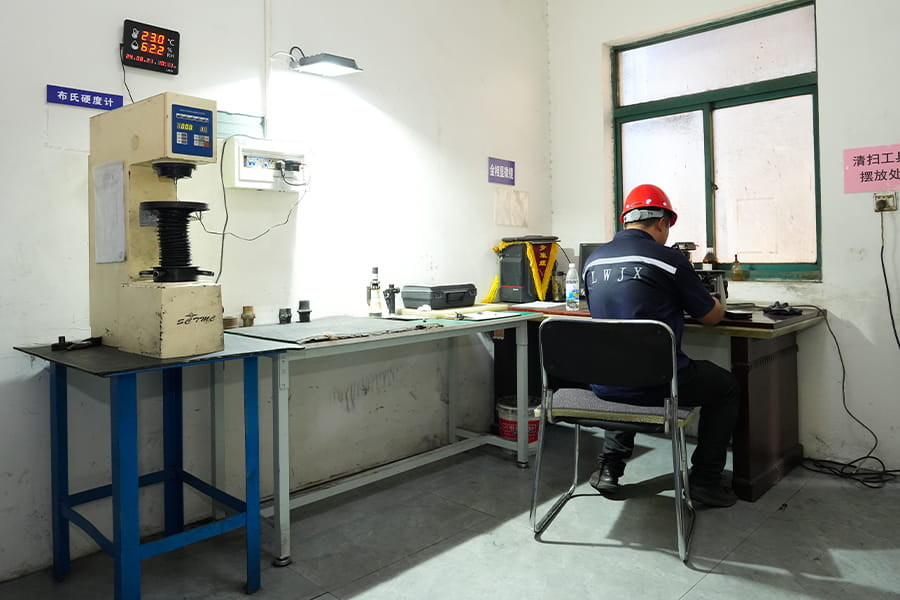
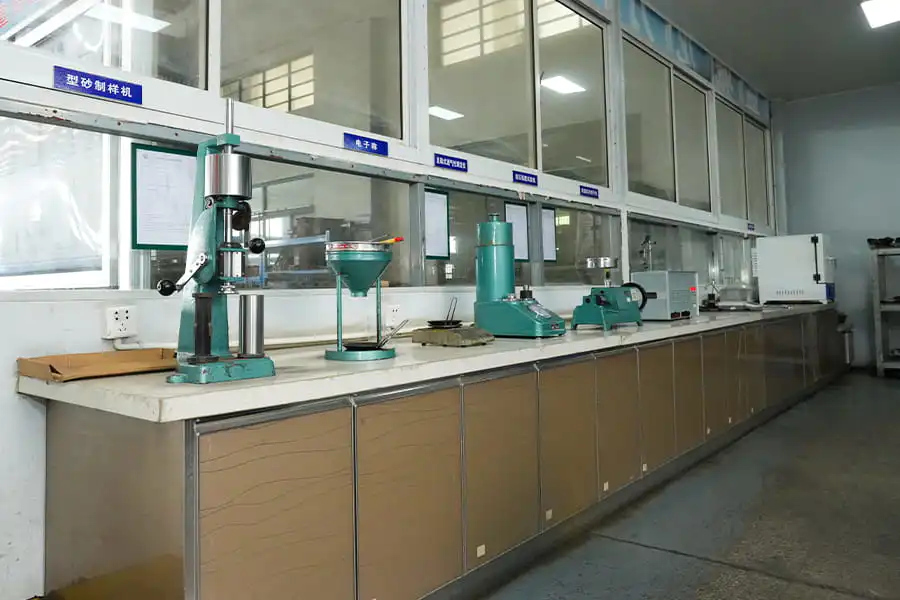
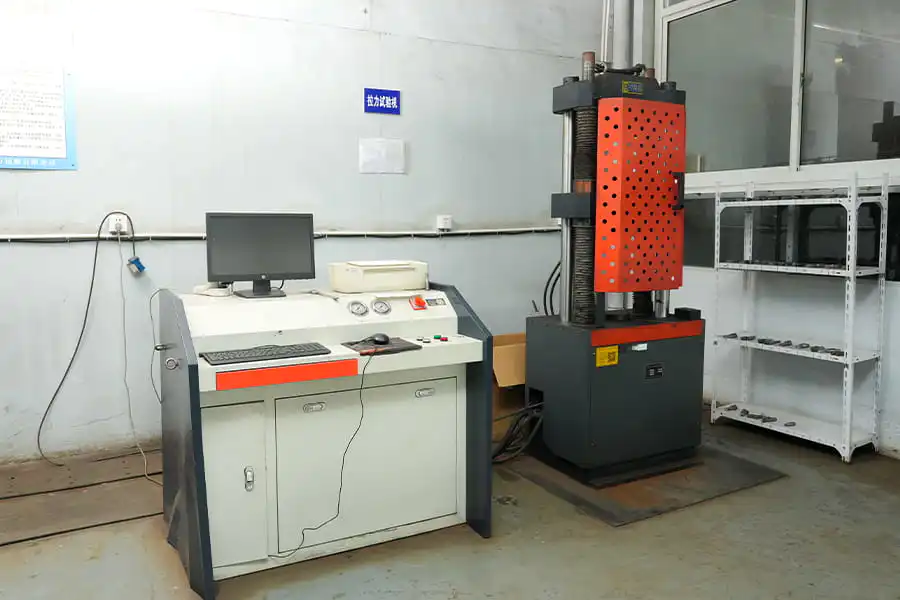
We have full-process testing equipment: spectrum analyzer, metallographic microscope, universal tensile testing machine, magnetic particle flaw detector, ultrasonic flaw detector, etc.
The above equipment can fully ensure that we can provide customers with high-precision final castings, and at the same time ensure that we meet customers' comprehensive testing requirements for physical and chemical properties of materials, non-destructive testing, high-precision geometric dimension testing, etc.
Professional Casting Expert
Comprehensive Casting Manufacturer
FAQ
-
QWhere are your products mainly exported to?A
Our products are mainly exported to multiple countries such as Germany, Japan, Italy, South Korea, and Australia.
-
QHow to deliver the goods to us?A
Usually, we ship by sea, which is very convenient for export.
Of course, if the customer's goods are urgent, we can also air freight them. Ningbo Airport and Shanghai International Airport are both very close to us.
-
QWhat's the payment term?A
When quoting, we will confirm the transaction method with you.
For mass production, we usually make a 50% advance payment in advance and then inspect and confirm the shipment before paying the remaining balance.
-
QHow to guarantee the quality of your goods?A
Firstly, there will be corresponding inspections after each process, and for the final completed product, we will conduct a full inspection according to customer requirements and international standards;
Then, we have advanced and complete top testing equipment in the industry: spectral analyzers, metallographic microscopes, universal tensile testing machines, magnetic particle testing machines, ultrasonic testing machines, etc.
The above equipment can fully ensure the provision of high-precision final castings to customers, while also meeting the comprehensive testing requirements of customers for material physical and chemical properties, non-destructive testing, high-precision geometric dimension testing, and so on.
-
QHow many employees of your company? what about the technicists?A
Our company has more than 120 employees, including 10 professional technicians and 5 engineers.
-
QHow about the capacity of your company?A
We have 2 fully automatic clay sand production lines, 1 semi-automatic clay sand production line, and 1 coated sand production line, with an annual production capacity of 15000 tons.
-
QDo you have some standard parts?A
No, currently we produce and customize according to the requirements based on the drawings provided by the customer.
-
QCan you do customized products?A
Yes, we are mainly doing customized products according to the customers’ drawings or samples.
-
QWhat applications do your products relate to?A
Our products cover almost all the applicable equipment manufacturing and machinery manufacturing and processing fields, mainly including automotive trucks, engineering machinery, agricultural machinery, reducers, water pumps, water treatment systems, and other fields.
-
Qwhat products can you offer?A
We mainly produce cast iron parts made of gray cast iron and ductile iron materials.
-
QAre you a direct manufacturer or trading company?A
We are a foundry and a manufacturer of cast iron parts.
-
QHow long can I get the feedbacks after we sent the inquiry?A
We will reply to you within 24 hours of the working day.
NEWS
-
How Is Grey Cast Iron Made? A Foundry's Step-by-Step Guide to Sand Casting
Grey cast iron has been poured into sand moulds for centuries, yet the questions buyers ask have ba...
READ MORE -
How Many Types of Cast Iron Are There? Four Main Types and Two Extended Families
Ask a room full of foundry engineers how many types of cast iron are there, and you will usually he...
READ MORE -
How Does Carbon Affect Steel? Understanding Strength, Hardness & Ductility
Carbon is the single most influential alloying element in steel. A shift of just a few tenths of a ...
READ MORE -
How Is Ductile Iron Pipe Made? Inside the Foundry Process Step by Step
Ductile iron pipe has served as a backbone of modern water systems for decades. Engineers choose it...
READ MORE -
Ductile Cast Iron Explained: Properties, Grades, and Industrial Applications
When a fire-protection riser must survive pressure surges, or a brake caliper has to absorb repeate...
READ MORE
Grey Cast Iron Industry knowledge
Yancheng Longwan Machinery Co., Ltd. is a Grey Cast Iron manufacturer producing flake-graphite iron castings to customer drawings at our foundry in Caoyan Town, Dafeng District, Yancheng City, Jiangsu. Since 2006 the plant has supplied grey iron components to automotive, agricultural machinery, gear reducer, valve, water pump, semiconductor equipment and industrial robot programmes, alongside ductile iron castings and fire-fighting pipe fittings. Every series is quoted from your drawing or sample, so melting practice, moulding route, machining scope and inspection plan are matched to the part rather than to a fixed catalogue.
What Our Grey Cast Iron Range Covers
We cast grey iron where a component must hold alignment, absorb vibration, dissipate heat or resist sliding wear without needing elongation. The eight families below share one melting, moulding and inspection flow; they differ in wall thickness, sealing or pressure duty, machining scope and the acceptance evidence agreed at sample stage.
| Part family | Typical components | Application fit | Process focus |
|---|---|---|---|
| Grey Cast Iron Automotive Parts | Brake discs and drums, housings, covers, brackets | Road and off-road vehicles where heat dissipation and damping matter | Dense structure, stable machined flanges and locating faces |
| Grey Cast Iron Agricultural Machinery Parts | End covers, bearing seats, gearbox housings | Tillage, planting and harvesting equipment working in dust and shock | Soundness at bearing bores, wall thickness control |
| Grey Cast Iron Reducer Accessories | Housings, bases, covers | Gear reducers and industrial drives under continuous load | Vibration damping, bore alignment, stiff mounting flanges |
| Grey Cast Iron Valve Accessories | Bodies, bonnets, mounting and trim carriers | Water and utility valves sized for low-pressure service | Tightness, machined seat and flange faces |
| Grey Cast Iron Water Pump Accessories | Pump housings, bearing housings, end covers | Water supply, circulation and treatment systems | Concentricity of bores, clean sealing faces |
| Grey Cast Iron Semiconductor Accessories | Machine frames, platforms, vacuum-side supports | Process and metrology equipment sensitive to vibration | Damping, flatness and long-term dimensional stability |
| Grey Cast Iron Industrial Robot Accessories | Base plates, joint housings, link and carrier parts | Robot arms, positioning units and automation frames | Stiffness, damping, repeatable machined interfaces |
| Other Grey Cast Iron Accessories | Counterweights, bases, pulleys, general engineering parts | Machinery where a cast grey iron body replaces a fabricated assembly | Cast detail, weight control, machinability |
Why Flake Graphite Suits These Parts
The graphite in grey iron forms as flakes through the matrix, and that structure drives nearly every selection decision on these families. The flakes interrupt the metal path and convert mechanical energy into heat, which is why grey iron bases and housings run quieter and transmit less vibration than steel equivalents. Graphite also acts as an internal lubricant, lowering friction at sliding surfaces and reducing cutting-tool wear during machining.
- Damping and noise control: machine bases, robot link parts and reducer housings benefit from the material's ability to absorb vibration energy.
- Thermal conductivity: brake components and engine-side parts shed heat faster than many competing irons.
- Wear resistance: cylinder-side and sliding parts tolerate repeated friction with graphite acting at the surface.
- Castability and machinability: good fluidity fills thin, detailed sections, and free graphite keeps machining economical.
- Known limit: low ductility and toughness rule grey iron out of parts that must stretch, bend or survive impact loading. Where the drawing calls for elongation or pressure retention under shock, we cast the part in Ductile Cast Iron instead.
Grade is fixed by the drawing. Grey iron is normally specified by minimum tensile strength class and a hardness range, so we control melt chemistry, inoculation and cooling to that target and confirm the result with spectrometer analysis and Brinell hardness testing before a heat is released to moulding.
Moulding Capacity and Casting Envelope
| Equipment | Stated specification | Best-fit work |
|---|---|---|
| Vertical sand-shot, horizontal parting, boxless moulding line | 610 x 510 x 240 mm, 120 boxes/hour | High-volume small grey and ductile iron parts |
| Upper/lower sand-shot, horizontal parting, boxless moulding line | 750 x 650 x 250 mm, 100 boxes/hour | Small to medium parts with cored internal detail |
| Medium-frequency electric furnaces | 3 x 1.25 t | Melt consistency for grade and hardness control |
| Clay sand lines and coated sand line | 2 fully automatic, 1 semi-automatic, 1 coated sand | Series box parts and finer as-cast core detail |
| Cleaning and machining | 3 shot blasting machines, 3 CNC lathes, 3 lathes | Surface conditioning and turning of bores, diameters and faces |
| Lost foam line (being installed) | 100 kg to 1000 kg castings | Larger one-piece castings at lower volumes |
Annual capacity across these lines is 15,000 tonnes, and the plant covers 33,300 m2 with 21,300 m2 of production buildings and more than 120 employees, including 10 technicians and 5 engineers. Castings are produced in our own China foundry, so pattern changes, sample rounds and volume ramp-ups stay inside one production and inspection chain.
Finishing, Coating and Machining Scope
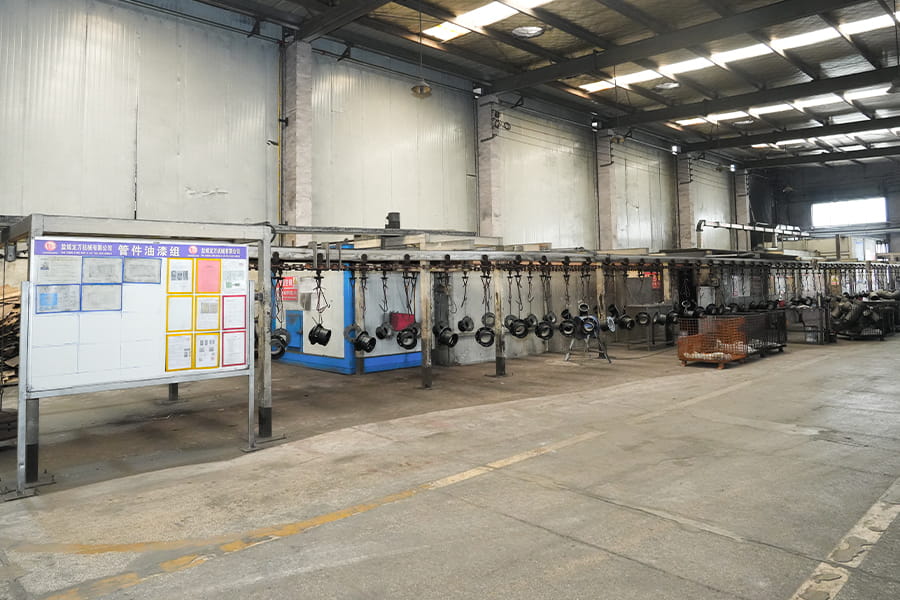
Parts can be supplied as-cast, shot blasted, or machined on the faces the drawing defines as functional. Turning work covers bearing bores, spigots, sealing faces and threaded features on three CNC lathes and three lathes; features we do not machine are protected as cast and called out on the sample report. An automatic spray painting line and an electrophoretic coating line are being added for volume programmes that need a controlled paint film or e-coat coverage, including internal surfaces of housings.
Inspection, Acceptance and Traceability
Process control runs under our IATF 16949:2016 system. Material performance is checked on a German SPECTRO direct-reading spectrometer, a tensile testing machine, a 3T Brinell hardness tester, a sonic velocity meter and a metallographic microscope, with magnetic particle and ultrasonic flaw detection available for soundness requirements. Moulding sand is monitored with an SAC hammer-type sample making machine, an SWY hydraulic strength testing machine, an SSZ vibrating sand screener and an SGS double-disc infrared dryer.
- Pattern and sample approval before any series release
- Heat-level chemical analysis and hardness records for the agreed grade
- In-process inspection between operations to catch defects early
- Final inspection of finished castings against the drawing and the agreed sampling level
- Pre-shipment inspection carried out by our inspectors, with the option of joint inspection
Information We Use to Configure Your Solution
Quotations are built from the working point of the part, not from a size bracket. The following inputs let us fix pattern layout, gating, machining stock, inspection method and packaging in one proposal:
- 2D drawing and 3D model at a defined revision, including GD&T scheme
- Material grade or tensile class, hardness range and any microstructure requirement
- Part weight, maximum envelope and casting radius or draft constraints
- Annual volume, batch size and release pattern
- Machining scope: which bores, diameters, faces and threads we finish, and the datum set
- Surface condition and coating specification — as-cast, shot blast, primer, paint or electrophoresis
- Tightness or porosity acceptance criteria and the test method to be used
- Non-destructive testing level, marking, packaging and documentation required at sample and series stages
From Drawing to Repeat Production
- Drawing or sample review, then quotation after your confirmation of the specification.
- Pattern and core box manufacture once the tooling order is placed.
- Sample castings produced on the new tooling and sent for your dimensional and material approval.
- Series production released only after sample confirmation.
- Inspection during and after production, with joint inspection available on request.
- Shipment after inspection results and your release confirmation, typically by sea from Jiangsu with air freight for urgent lots.
Questions We Are Asked About Grey Iron Castings
Which grey iron parts do you manufacture?
We produce the families listed above: automotive and construction machinery parts, agricultural machinery parts, reducer accessories, valve accessories, water pump accessories, semiconductor equipment accessories, industrial robot accessories and other grey iron accessory castings. Work is to your drawing or sample — we do not keep standard grey iron parts in stock.
What do you need in order to quote?
A drawing and 3D model with the revision level, material grade and hardness, part weight and envelope, machining scope, coating, annual volume, and the inspection and documentation requirements for sample and series delivery. From those inputs we return a tooling and piece-price proposal with the casting process described.
How is material quality verified?
Each heat is analysed on a German SPECTRO direct-reading spectrometer, supported by tensile testing, 3T Brinell hardness, sonic velocity measurement and metallographic examination. Moulding sand properties are tested with dedicated laboratory equipment, and the whole route runs under IATF 16949:2016 process control.
Can you machine and coat the castings before delivery?
Yes. We supply as-cast or shot-blasted parts and can machine the bores, diameters and faces defined on your drawing using three CNC lathes and three lathes. Painting and electrophoretic coating capability is being added for programmes that need a specified finish.
What capacity and casting size can you handle?
The two boxless moulding lines run at 610 x 510 x 240 mm and 750 x 650 x 250 mm with rated outputs of 120 and 100 boxes per hour, backed by three 1.25 t medium-frequency furnaces and an annual capacity of 15,000 tonnes. A lost foam line under installation extends the range to castings between 100 kg and 1000 kg.
Which markets do you serve and how do you ship?
Our castings are supplied mainly to customers in Germany, Japan, Italy, South Korea and Australia, as well as domestic OEMs including SAIC Group, Deere, Bonfiglioli (China), Shanghai Beixu and Yaskawa Electric. Sea freight is the standard route for series volumes, with air freight available from Ningbo or Shanghai when a lot is urgent.

Longwan Machinery adheres to the corporate purpose of "High
quality, good reputation, customer priority, service precedence".
- Service
- ODM & OEM
- CAPACITIES
- Contact Infor.
- [email protected]
- +86-515-83658999
- +86-152 5109 2111
- Group 2, Dingxi Village, Caoyan Town, Dafeng District, Yancheng City, Jiangsu, China
Mobile QR Code
Copyright © 2024 Yancheng Longwan Machinery Co., Ltd.All Rights Reserved.
Powder By: 
Custom Grey Cast Iron Factory
