


 English
 русский
 Deutsch

Ductile Cast Iron Automotive Parts Foundry
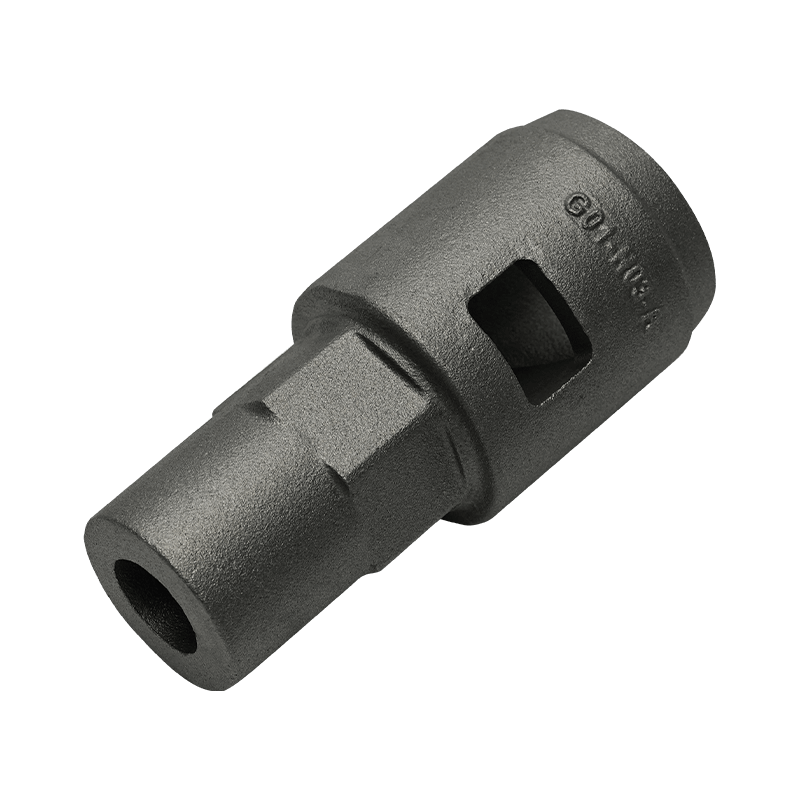
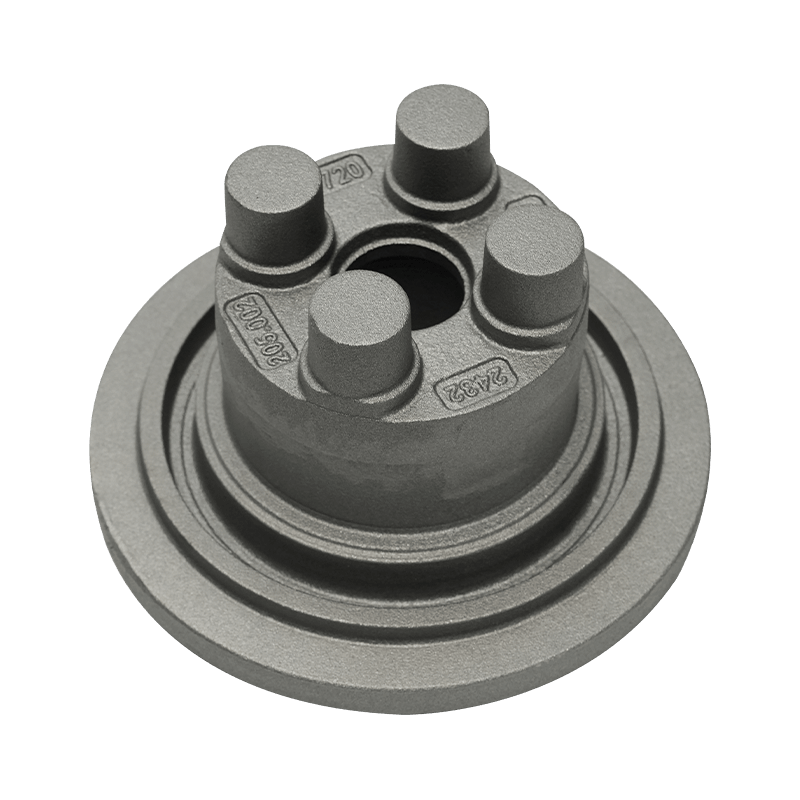
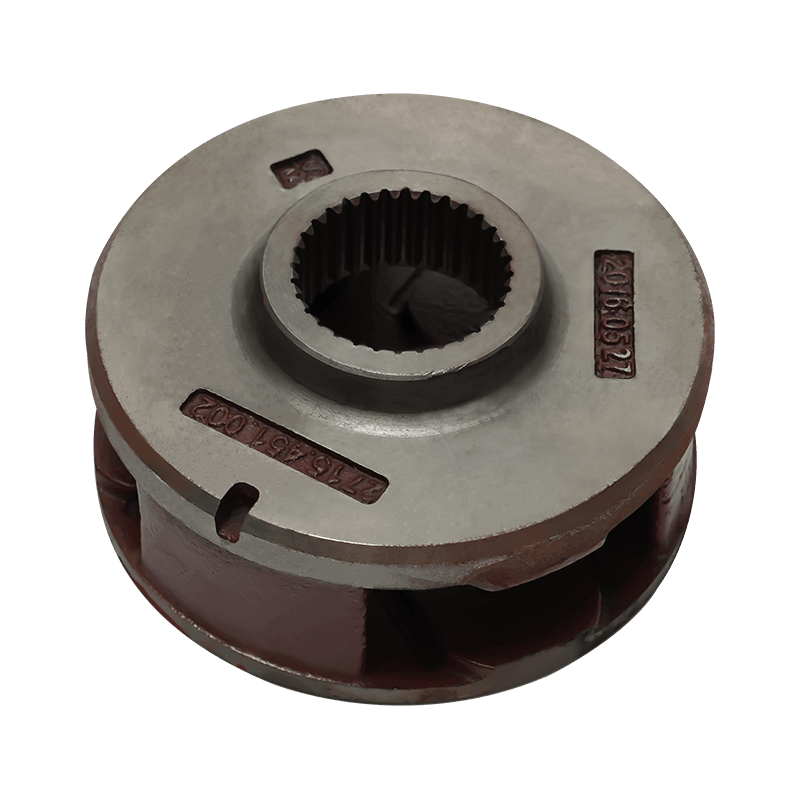
Ductile Cast Iron Automotive Parts are made of high-strength, wear-resistant ductile iron material and are widely used in various automotive systems to ensure vehicle performance and safety. These parts include key components such as calipers, brackets, support arms and cylinder blocks. The unique microstructure of ductile iron gives it good mechanical properties and impact resistance, and it can remain stable and durable under harsh driving conditions. In the braking system, ductile iron calipers provide reliable braking force and wear resistance; in the suspension system, ductile iron brackets and support arms provide solid support to ensure smooth and comfortable driving; in the engine system, ductile iron cylinder blocks have not only high strength but also good heat resistance to ensure efficient operation of the engine.
Ductile Cast Iron Automotive Parts OEM/ODM
ABOUT US
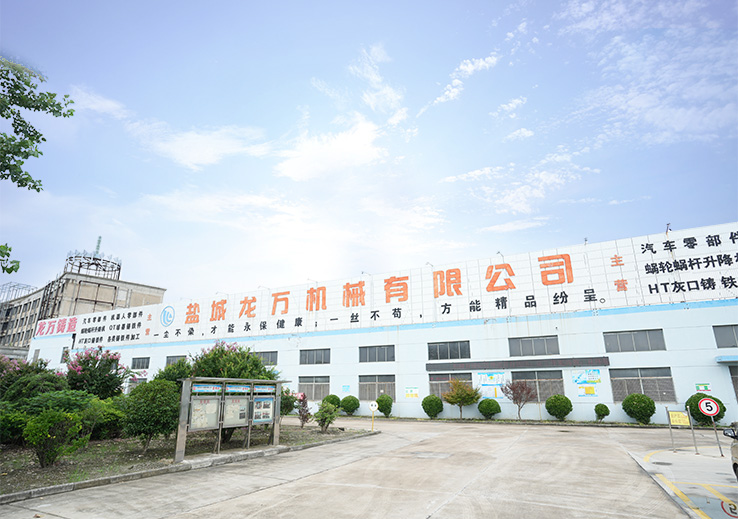
Yancheng Longwan Machinery Co., Ltd.
Founded in 2006, which located next to National Highway 204 in Yancheng City, Jiangsu Province, 40km from the center of Yancheng City, 5km from the center of Dongtai City, 30km from Dafeng District, and 10km from the exit of Baiju Expressway, with convenient transportation.
We mainly produce various types of fire-fighting pipe fittings, reducer parts, auto parts, agricultural machinery, and industrial robot parts. Its main customers include SAIC Group, Deere, Bonfiglioli (China), Shanghai Beixu, Yaskawa Electric, etc.
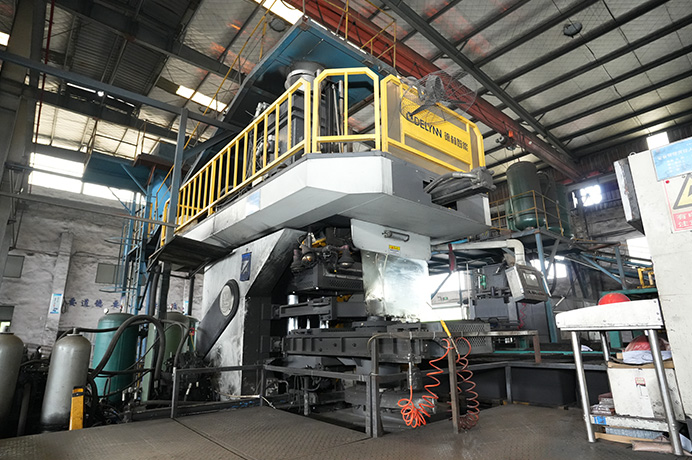
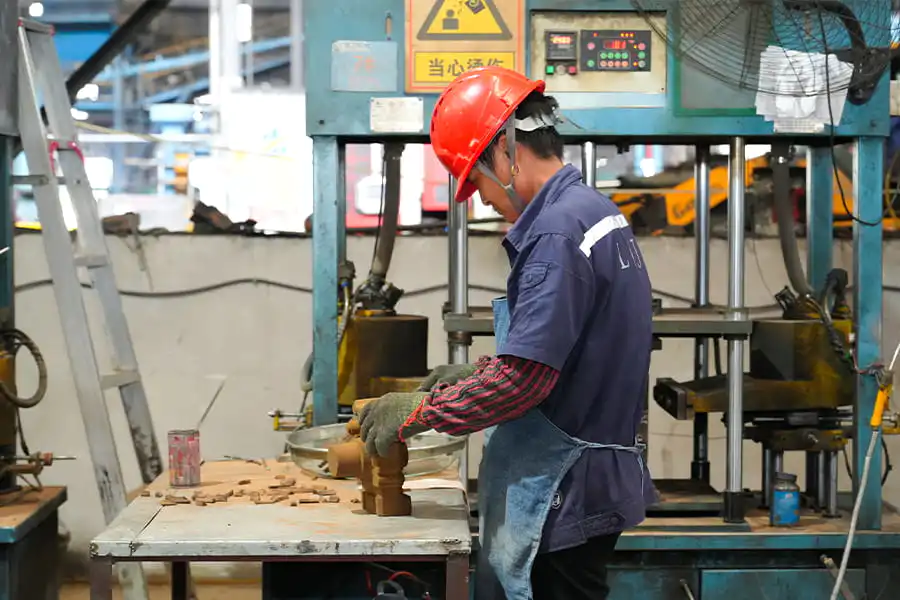
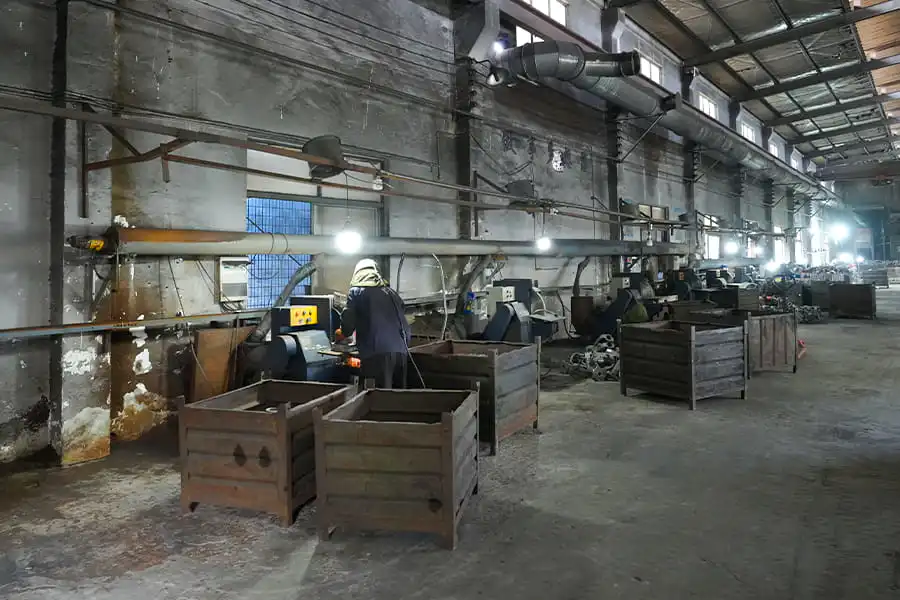
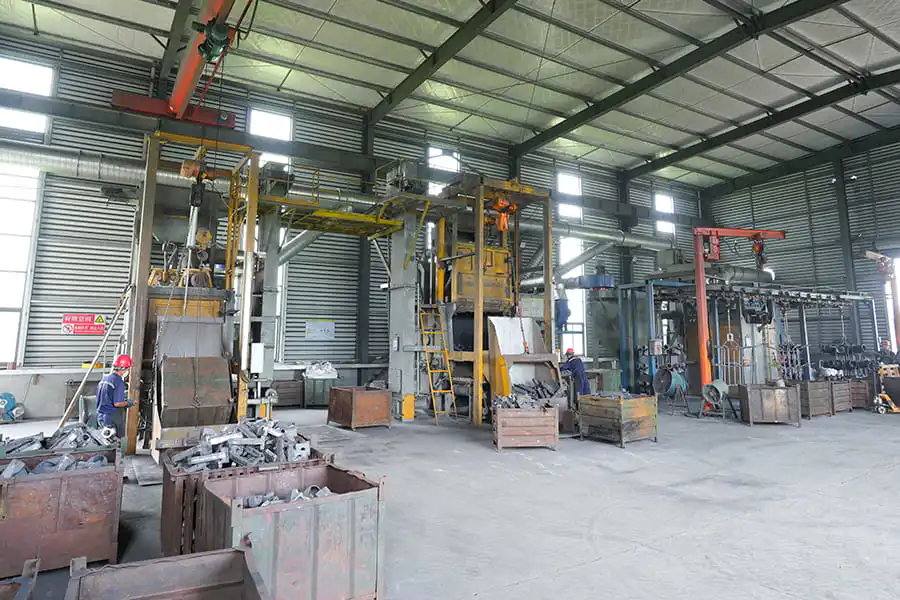
As a famous China Ductile Cast Iron Automotive Parts Foundry and Ductile Cast Iron Automotive Parts Suppliers, our company has a variety of molding equipment, including one vertical sand-shot horizontal parting boxless shot-press molding line with specifications of 610*510*240, 120 boxes/hour, suitable for mass production of small parts; one upper and lower sand-shot horizontal parting boxless shot-press molding line with specifications of 750*650*250, 100 boxes/hour, suitable for mass production of small and medium-sized parts; 3 sets of 1.25T medium-frequency electric furnaces; 3 cleaning shot blasting machines, and now planning a lost foam production line, suitable for 100Kg~1000Kg casting production, and planning an automatic spray painting line and an electrophoretic coating line at the same time, 3 CNC lathes and 3 lathes.
ODM Customization Expert
Advanced Production & Processing Equipment
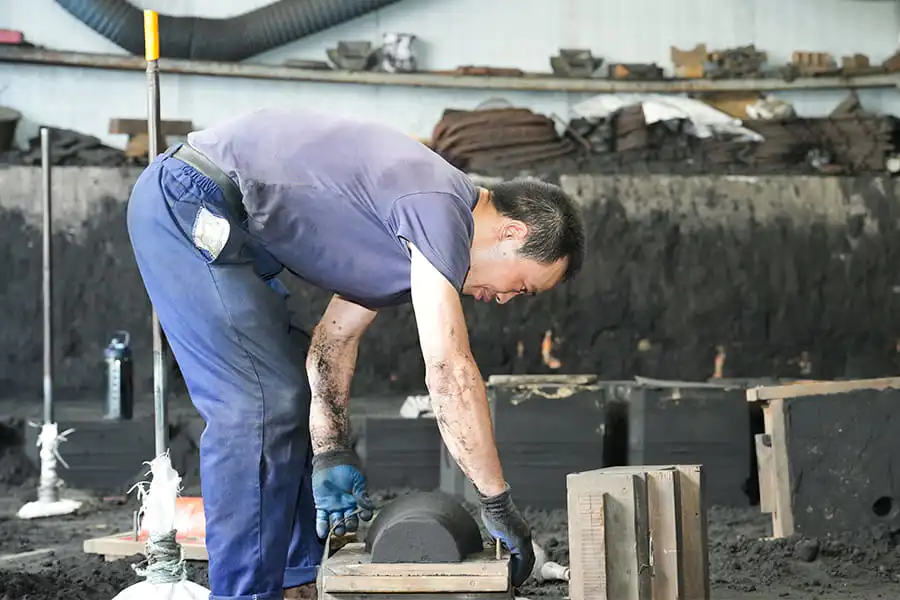
Longwan Machinery has a variety of advanced domestic and foreign molding equipment, including 2 fully automatic production lines for clay sand, 1 semi-automatic production line for clay sand, and 1 coated sand production line, with an annual production capacity of 15,000 tons.
Complete Inspection Flow
Strict Quality Inspection
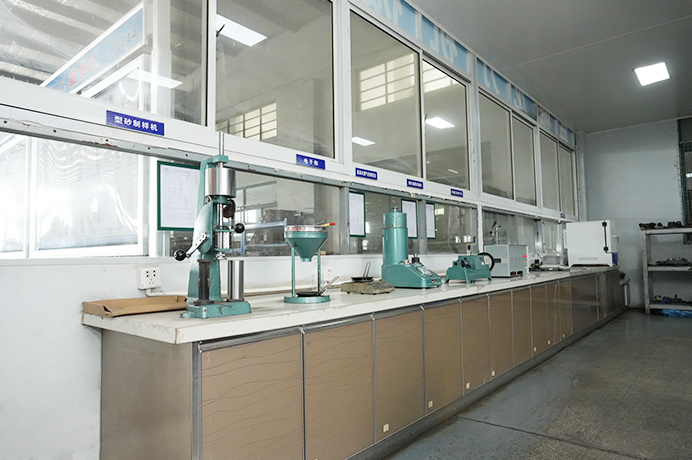
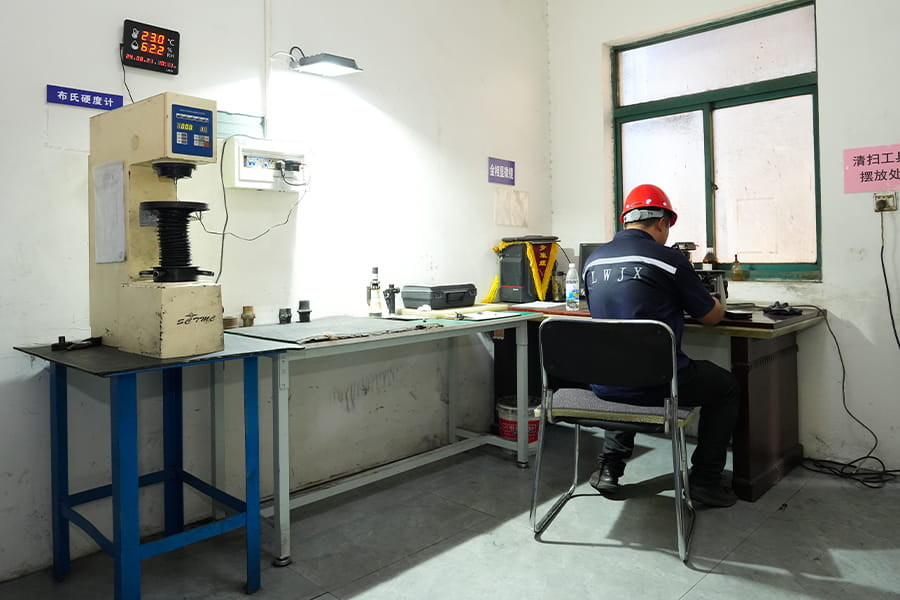
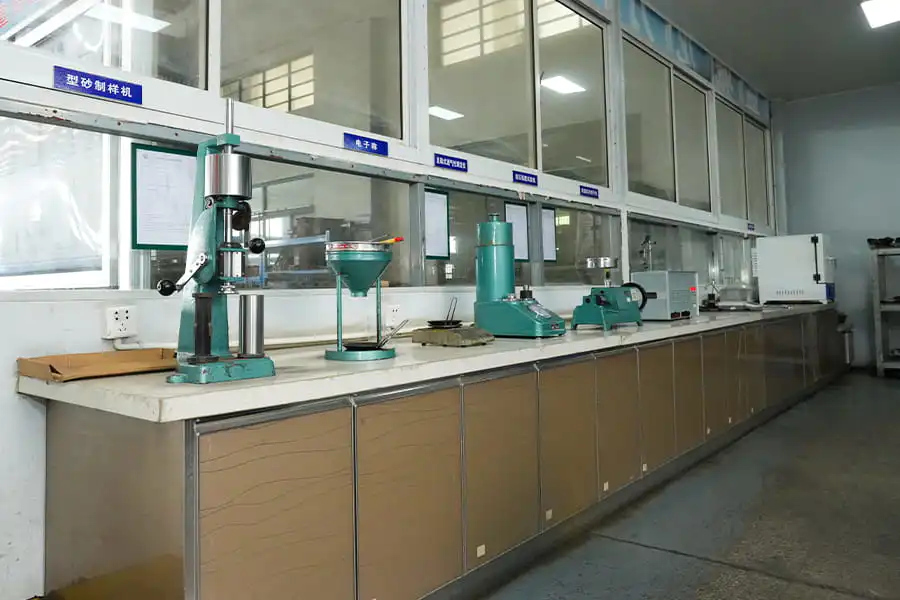
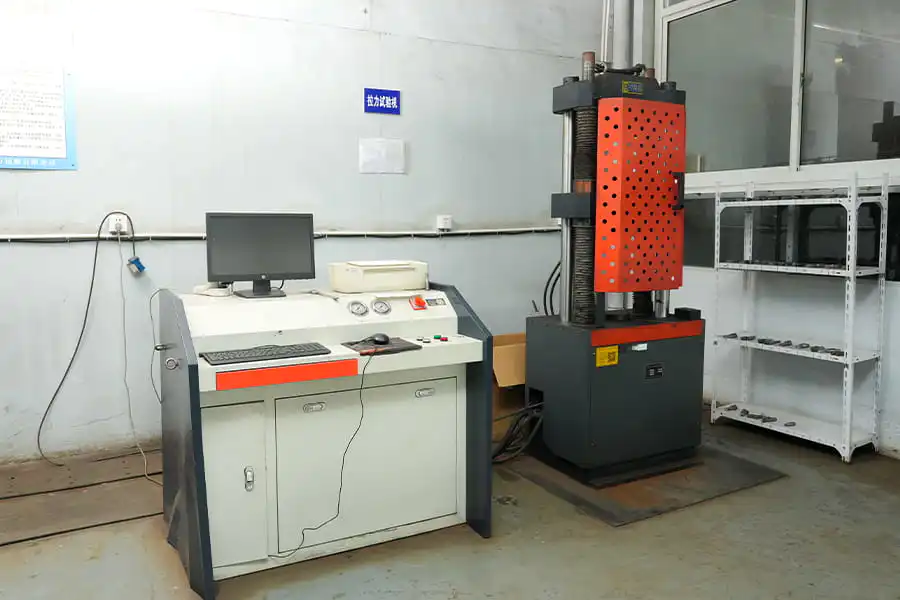
We have full-process testing equipment: spectrum analyzer, metallographic microscope, universal tensile testing machine, magnetic particle flaw detector, ultrasonic flaw detector, etc.
The above equipment can fully ensure that we can provide customers with high-precision final castings, and at the same time ensure that we meet customers' comprehensive testing requirements for physical and chemical properties of materials, non-destructive testing, high-precision geometric dimension testing, etc.
Professional Casting Expert
Comprehensive Casting Manufacturer
FAQ
-
QWhere are your products mainly exported to?A
Our products are mainly exported to multiple countries such as Germany, Japan, Italy, South Korea, and Australia.
-
QHow to deliver the goods to us?A
Usually, we ship by sea, which is very convenient for export.
Of course, if the customer's goods are urgent, we can also air freight them. Ningbo Airport and Shanghai International Airport are both very close to us.
-
QWhat's the payment term?A
When quoting, we will confirm the transaction method with you.
For mass production, we usually make a 50% advance payment in advance and then inspect and confirm the shipment before paying the remaining balance.
-
QHow to guarantee the quality of your goods?A
Firstly, there will be corresponding inspections after each process, and for the final completed product, we will conduct a full inspection according to customer requirements and international standards;
Then, we have advanced and complete top testing equipment in the industry: spectral analyzers, metallographic microscopes, universal tensile testing machines, magnetic particle testing machines, ultrasonic testing machines, etc.
The above equipment can fully ensure the provision of high-precision final castings to customers, while also meeting the comprehensive testing requirements of customers for material physical and chemical properties, non-destructive testing, high-precision geometric dimension testing, and so on.
-
QHow many employees of your company? what about the technicists?A
Our company has more than 120 employees, including 10 professional technicians and 5 engineers.
-
QHow about the capacity of your company?A
We have 2 fully automatic clay sand production lines, 1 semi-automatic clay sand production line, and 1 coated sand production line, with an annual production capacity of 15000 tons.
-
QDo you have some standard parts?A
No, currently we produce and customize according to the requirements based on the drawings provided by the customer.
-
QCan you do customized products?A
Yes, we are mainly doing customized products according to the customers’ drawings or samples.
-
QWhat applications do your products relate to?A
Our products cover almost all the applicable equipment manufacturing and machinery manufacturing and processing fields, mainly including automotive trucks, engineering machinery, agricultural machinery, reducers, water pumps, water treatment systems, and other fields.
-
Qwhat products can you offer?A
We mainly produce cast iron parts made of gray cast iron and ductile iron materials.
-
QAre you a direct manufacturer or trading company?A
We are a foundry and a manufacturer of cast iron parts.
-
QHow long can I get the feedbacks after we sent the inquiry?A
We will reply to you within 24 hours of the working day.
NEWS
-
How Is Grey Cast Iron Made? A Foundry's Step-by-Step Guide to Sand Casting
Grey cast iron has been poured into sand moulds for centuries, yet the questions buyers ask have barely changed: what actually goes into the furnace,...
READ MORE -
How Many Types of Cast Iron Are There? Four Main Types and Two Extended Families
Ask a room full of foundry engineers how many types of cast iron are there, and you will usually hear two numbers: four, or six. Both answers are cor...
READ MORE -
How Does Carbon Affect Steel? Understanding Strength, Hardness & Ductility
Carbon is the single most influential alloying element in steel. A shift of just a few tenths of a percent can turn a soft, bendable sheet into a har...
READ MORE -
How Is Ductile Iron Pipe Made? Inside the Foundry Process Step by Step
Ductile iron pipe has served as a backbone of modern water systems for decades. Engineers choose it because it combines pressure capacity, impact res...
READ MORE
Ductile Cast Iron Automotive Parts Industry knowledge
Yancheng Longwan Machinery Co., Ltd. has cast ductile iron and grey iron components in Yancheng City, Jiangsu Province since 2006, and automotive parts are one of our core product families. We produce calipers, caliper brackets, support arms, flywheels, cylinder blocks, differential housings and housing-type castings in spheroidal graphite iron, working from customer drawings or samples in OEM and ODM programmes. Automotive customers including SAIC Group, Deere, Bonfiglioli (China), Shanghai Beixu and Yaskawa Electric purchase our castings, and our foundry operates to a complete IATF 16949:2016 system standard.
Our Position as a Ductile Cast Iron Automotive Parts Manufacturer
Our automotive work is built around Ductile Cast Iron Automotive Parts manufacturer capability rather than catalogue stock. There are no standard part numbers on the shelf: every component in this range is engineered against a drawing, a matching sample or a defined functional requirement, then released through pattern making, sample approval and volume casting.
Ductile iron suits these parts because the nodular graphite structure absorbs impact and fatigue loading that grey iron cannot carry at the same section weight. Brake calipers hold clamping force and shed heat, knuckles and support arms absorb road shock, and flywheels and differential housings resist rotational stress. Our role is to convert those requirements into a stable casting process with repeatable metallurgy, correct dimensions and documented inspection.
Component Range and Application Fit
The table below shows the automotive part groups we supply and the process route each one normally follows in our foundry. Final grade, hardness and machining scope are fixed per drawing rather than by category.
| Component group | Service demand | Material direction | Production route |
|---|---|---|---|
| Brake calipers and caliper brackets | Clamping load, heat cycling, pad wear | Pearlitic ductile iron grades for strength and wear | Boxless shot-press molding, machined bores and mounting faces |
| Steering knuckles, support arms, control-arm brackets | Fatigue, impact, stiffness | Ferritic to ferritic-pearlitic grades for ductility | Shot-press molding with coated sand cores for internal sections |
| Flywheels and rotating masses | Rotational stress, balance, friction face life | Pearlitic ductile iron with controlled hardness | Casting, shot blasting, CNC turning and facing |
| Cylinder blocks and engine housings | Thermal cycling, internal pressure, bore stability | Ductile iron with defined matrix and graphite form | Medium-frequency melting, sand cores, machining on request |
| Differential, axle and transmission housings | Torque reaction, fatigue, sealing faces | High-strength pearlitic grades | Boxless molding, machined flanges, NDT where specified |
| Mounting brackets, covers and small body fittings | Static and dynamic load, corrosion exposure | Ferritic ductile iron for toughness | High-volume boxless line, shot blasting, coating on request |
Material Grades and Metallurgical Control
Automotive drawings usually arrive with a grade designation and a property block rather than a process instruction. We work to the specified grade — ferritic grades for maximum elongation and impact resistance, pearlitic grades where tensile strength and hardness govern — and confirm that the delivered casting matches through chemical, tensile, hardness and microstructural evidence.
- Chemistry: German SPECTRO direct-reading spectrometer checks each heat before and after tapping, including carbon equivalent and residual element control.
- Graphite form: metallographic microscope evaluates nodularity and nodule count, with sonic velocity measurement used as a fast structural indicator across a batch.
- Matrix: ferrite-to-pearlite ratio is adjusted through charge mix, inoculation and cooling practice to reach the required hardness window.
- Mechanical properties: tensile testing machine and 3T Brinell hardness tester verify strength, elongation and surface hardness.
- Sand system: SAC hammer-type sample making machine, SWY hydraulic strength testing machine, SSZ vibration-type sand screening machine and SGS double-disc infrared dryer monitor molding sand strength, moisture and compactability.
Molding Lines, Melting and Capacity
Our molding capacity is arranged so that small automotive parts and medium-sized housings can run at different cadences without competing for the same line. Three 1.25 t medium-frequency electric furnaces supply the melt, and three cleaning shot blasting machines handle desanding and surface preparation.
- Boxless shot-press line, 610 × 510 × 240 mm: 120 boxes per hour, aimed at high-volume small parts such as brackets and fittings.
- Boxless shot-press line, 750 × 650 × 250 mm: 100 boxes per hour, for small to medium parts including caliper bodies and support arms.
- Clay sand lines: two fully automatic and one semi-automatic line, plus one coated sand production line for cored internal geometry.
- Annual capacity: approximately 15,000 tons of castings across the foundry.
- Lost foam line in planning: targeted at castings from about 100 kg to 1000 kg for larger housings.
Machining, Tooling and Finishing Scope
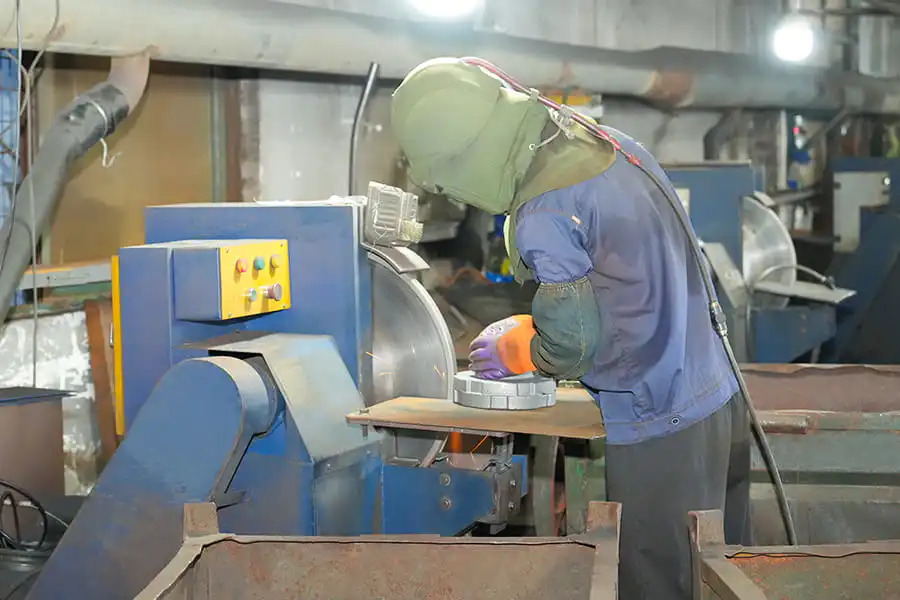
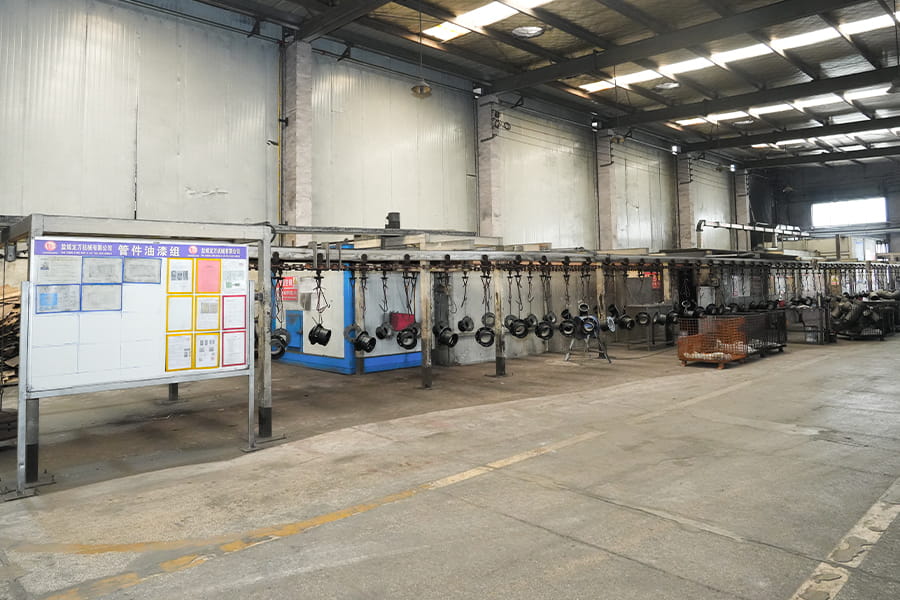
Many automotive parts are delivered as-cast, but mating faces, bores, threads and balance-critical surfaces often need cutting before assembly. Three CNC lathes and three lathes cover turning, facing, boring and thread cutting on our automotive castings, and coated sand cores support the internal passages that housings and caliper bodies require. Automatic spray painting and electrophoretic coating lines are being added to extend finishing beyond shot blasting.
Tooling stays project-specific. We build patterns and core boxes from the approved drawing or sample, run trial castings and submit samples for dimensional and metallurgical confirmation before any mass production order is released.
Inspection, Acceptance and Dimensional Control
Quality control runs through the whole process rather than only at the end. Raw materials are checked on a random basis, each process step carries its own inspection, and finished automotive castings are fully inspected before shipment against drawing requirements and the agreed acceptance plan.
| Control stage | What we verify | Equipment used |
|---|---|---|
| Incoming material | Charge composition and supplier consistency | SPECTRO direct-reading spectrometer |
| Melt and inoculation | Chemistry, carbon equivalent, pouring temperature | Spectrometer, thermal analysis of the melt |
| Molding sand | Strength, moisture, compactability, grain distribution | SAC, SWY, SSZ and SGS sand test set |
| Cast structure | Nodularity, nodule count, matrix ratio | Metallographic microscope, sonic velocity meter |
| Mechanical properties | Tensile strength, elongation, Brinell hardness | Universal tensile testing machine, 3T Brinell hardness tester |
| Internal integrity | Surface and subsurface discontinuities where specified | Magnetic particle flaw detector, ultrasonic flaw detector |
| Final release | Geometry, machined features, marking, count | Full inspection against customer requirements and international standards |
Configuration Options We Confirm Before Release
- Molding route: high-volume boxless shot-press line, coated sand cored process, or hand modeling for prototypes and low-volume trials.
- Grade and heat treatment: ferritic, ferritic-pearlitic or pearlitic ductile iron matched to the drawing's strength and elongation.
- Machining level: as-cast, shot blasted, partially machined, or fully machined with bores, faces and threads completed.
- Non-destructive testing: magnetic particle or ultrasonic examination applied to defined zones when the part is safety-related.
- Surface protection: shot-blasted finish as standard, with coating under development on our new finishing lines.
- Packaging and marking: customer packaging design, palletising and part marking agreed at the sample stage.
Information We Use to Configure Your Solution
To prepare a workable quotation we work from:
- 2D drawing with tolerances and 3D model where available, or a physical sample
- Material grade, hardness target, tensile and elongation requirements
- Annual volume, batch size and expected delivery rhythm
- Machining scope and datum strategy for the features we must cut
- Testing and acceptance requirements, including NDT zones and sampling plan
- Surface finish, coating and marking specification
- Packaging, labelling and the receiving format at your plant
Customization, Documentation and Delivery Scope
Our ODM and OEM flow runs from drawing or sample review and quotation, through pattern and core box manufacture, sample castings for your confirmation, then mass production under the released process. Finished castings are inspected with our own inspectors or jointly with your team, and shipment follows confirmation of the inspection result.
Documentation follows the same flow: material certificates, inspection records and sample approval documents accompany the release, and marking or packaging can be tailored to your line. Production is not limited to automotive — we also cast ductile cast iron parts for agricultural machinery, reducers, valves, water pumps, semiconductor equipment and industrial robots, and we supply Grey Cast Iron Automotive Parts where damping and thermal properties suit the application better than ductile iron.
Frequently Asked Questions
Which automotive components do you cast in ductile iron?
Brake calipers and caliper brackets, steering knuckles and support arms, flywheels, cylinder blocks, differential and axle housings, mounting brackets and covers. Each one is produced to a customer drawing or approved sample.
What part sizes fit your molding lines?
The 610 × 510 × 240 mm boxless line suits high-volume small parts at 120 boxes per hour, and the 750 × 650 × 250 mm line handles small to medium parts at 100 boxes per hour. A lost foam line is being planned for castings in the 100 kg to 1000 kg range.
How do you control graphite nodularity and mechanical properties?
Inoculation practice, charge composition and cooling control set the structure. We verify it with a SPECTRO spectrometer, metallographic microscope and sonic velocity meter, then confirm tensile strength, elongation and Brinell hardness on test bars from the same heat.
Can you supply machined and tested parts rather than raw castings?
Yes. Three CNC lathes and three lathes cover turning, facing, boring and threading, and magnetic particle or ultrasonic testing can be applied to specified zones when the drawing calls for non-destructive examination.
What quality system governs automotive castings from your foundry?
We operate a complete IATF 16949:2016 system standard. Raw materials are randomly checked, each process step is inspected, and finished automotive castings receive full inspection before shipment.
How do we start a new automotive casting project?
Send the drawing or sample with grade, volume and testing requirements. We quote after confirming the technical scope, build the pattern or core box, submit samples for your approval, and only then release mass production.
Related Products and Categories
Our portfolio also includes Products for applications with different operating ranges, interfaces or integration requirements.
Longwan Machinery adheres to the corporate purpose of "High
quality, good reputation, customer priority, service precedence".
- Service
- ODM & OEM
- CAPACITIES
- Contact Infor.
- [email protected]
- +86-515-83658999
- +86-152 5109 2111
- Group 2, Dingxi Village, Caoyan Town, Dafeng District, Yancheng City, Jiangsu, China
Mobile QR Code
Copyright © 2024 Yancheng Longwan Machinery Co., Ltd.All Rights Reserved.
Powder By: 
OEM/ODM Ductile Cast Iron Automotive Parts Foundry
