

 English
 русский
 Deutsch
Content
- 1 What Does Carbon Do in Steel?
- 2 Carbon Content Ranges and Their Effects
- 3 Low-Carbon Steel: Weldability and Formability
- 4 Medium-Carbon Steel: The Balanced Workhorse
- 5 High-Carbon Steel: Hardness at the Cost of Ductility
- 6 From Steel to Cast Iron: Carbon's Role in Cast Components
- 7 Practical Considerations for Component Buyers
Carbon is the single most influential alloying element in steel. A shift of just a few tenths of a percent can turn a soft, bendable sheet into a hard, brittle cutting tool, or turn a weldable structural grade into a material that cracks under the torch. Understanding how carbon affects steel matters not only to metallurgists, but to every engineer, buyer, and foundry partner who specifies or machines steel and cast iron components.
What Does Carbon Do in Steel?
Steel is essentially an alloy of iron and carbon. The carbon content of carbon steel usually stays between 0.05% and 2.1%, and that small fraction does most of the heavy lifting. Carbon atoms are much smaller than iron atoms, so they settle into the spaces between the iron lattice. This interstitial strengthening is what makes steel harder as carbon increases, while the growing number of carbide particles interrupts the movement of dislocations, raising strength but reducing the metal's ability to deform without breaking.
Carbon also controls the balance of ferrite and pearlite in the microstructure. Ferrite is soft and ductile; pearlite is harder and stronger. More carbon means more pearlite, which is why strength climbs steadily with carbon content. If carbon is high enough and cooling is fast enough, martensite forms, giving quenched steels their exceptional wear resistance.
Beyond strength, hardness and yield strength climb with carbon, while ductility, toughness, and weldability fall. Machinability follows a complex curve: very low carbon steel can be gummy, while very high carbon steel is hard on tools. Corrosion resistance also tends to decrease as carbon rises.
Carbon Content Ranges and Their Effects
Engineers group carbon steels into broad ranges because each range behaves differently in forming, welding, heat treatment, and service. The table below summarizes the main categories.
| Category | Carbon Content | Key Properties | Typical Applications |
|---|---|---|---|
| Low-carbon steel | 0.05% to 0.30% | High ductility, excellent weldability, low hardness | Structural sections, panels, wire, fasteners |
| Medium-carbon steel | 0.30% to 0.60% | Balanced strength and ductility, heat-treatable | Axles, gears, shafts, machine parts |
| High-carbon steel | 0.60% to 1.00% | High hardness and wear resistance, low ductility | Springs, cutting tools, dies |
| Very high-carbon steel | 1.00% to 2.10% | Extreme hardness, difficult to weld | Special tooling, wear parts |
The boundaries are not absolute. A 0.25% carbon steel can sometimes be treated as low carbon, and a 0.65% carbon steel sits on the edge between medium and high carbon. What matters is how the steel will be processed and what performance the final part must deliver. What works for a car body panel would be a poor choice for a gear, and vice versa.
Low-Carbon Steel: Weldability and Formability
Low-carbon steel, sometimes called mild steel, contains up to about 0.30% carbon. It is the most common steel in construction and general fabrication. Its low hardness and high ductility make it easy to bend, roll, and weld. If you have ever seen a steel beam, a car body panel, or a welded frame, you have seen low-carbon steel at work.
The trade-off is that low-carbon steel cannot be hardened much by heat treatment. When a component needs a hard, wear-resistant surface, manufacturers often use carburizing, which adds carbon to the outer layer. In practice, this works well for gears and shafts that need a tough core and a hard case.
Medium-Carbon Steel: The Balanced Workhorse
Medium-carbon steel, from about 0.30% to 0.60% carbon, offers a genuine balance. It is strong enough for load-bearing machine parts and ductile enough to be forged or machined. More importantly, it responds well to quenching and tempering, so the same grade can be delivered soft for machining and then hardened to the final specification.
Typical applications include:
- Axles and crankshafts for vehicles and industrial equipment.
- Gears, sprockets, and other transmission components.
- Couplings, pins, and shafts for pumps and reducers.
- Forged and machined parts that require a combination of strength and toughness.
Quenching and tempering lets the designer tune final properties within a wide window. A lower tempering temperature gives higher hardness; a higher tempering temperature restores toughness. When you specify medium-carbon steel, the heat treatment route becomes as important as the chemistry itself.
High-Carbon Steel: Hardness at the Cost of Ductility
High-carbon steel, roughly 0.60% to 1.00% carbon, trades ductility for hardness. After proper heat treatment it can reach very high hardness and excellent wear resistance, which is why springs, chisels, shear blades, and cutting tools are made from this group. But the same hardness makes high-carbon steel difficult to weld and prone to cracking if cooling is not carefully controlled.
Spring steel is a classic example. A suspension spring must absorb energy and return to its original shape millions of times. That elasticity depends on a carbon level high enough to produce a strong, hard microstructure, yet the material must still bend without fracturing.
Very high-carbon steels above 1.00% are niche materials, used where extreme wear resistance outweighs brittleness, such as special dies and wear plates.
From Steel to Cast Iron: Carbon's Role in Cast Components
Steel is not the only iron-carbon alloy that matters in mechanical engineering. When carbon content climbs above roughly 2%, the material enters the cast iron family. Cast iron includes grey cast iron, ductile cast iron, white iron, and malleable iron. The carbon no longer stays fully combined in the matrix. Instead, it forms graphite, and the shape of that graphite controls the mechanical behavior.
In grey cast iron, graphite appears as flakes. The flakes give excellent damping and machinability, but they also act as stress concentrators, making the material brittle in tension. In ductile cast iron, a small addition of magnesium changes the graphite into spheres, which dramatically improves elongation and impact resistance while keeping the casting advantages. At our foundry, we produce both grey and ductile iron components, and the difference is a daily practical concern. Ductile iron pipe fittings, for example, are widely used in fire protection and water systems because they combine the corrosion advantages of cast iron with the strength to handle internal pressure.
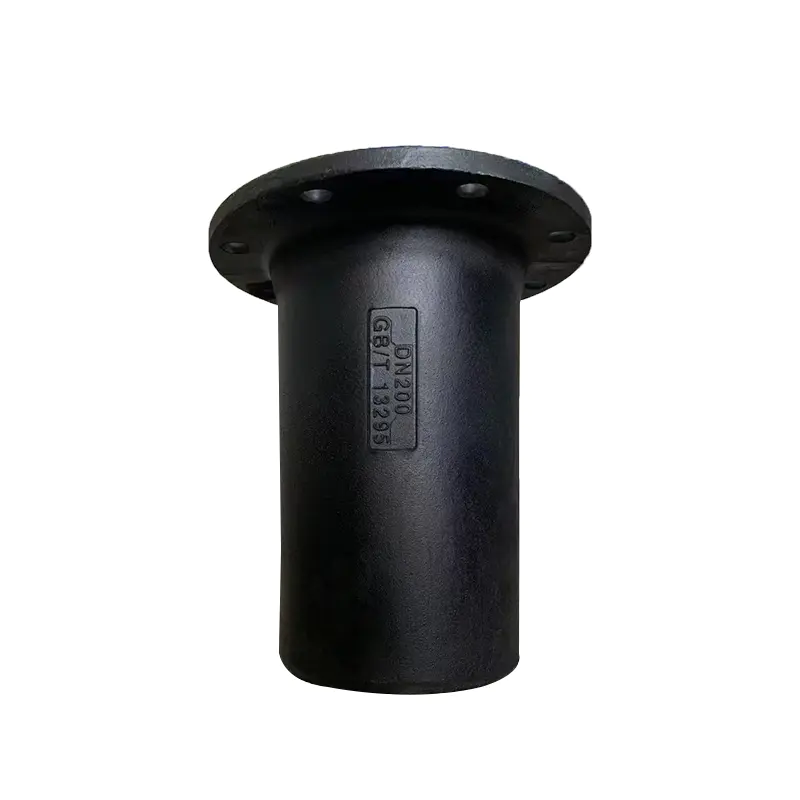 Ductile Iron Pipe Fittings for Water and Fire Protection SystemsThese high-strength, corrosion-resistant fittings suit water treatment, fire protection, and distribution lines, where internal pressure demands reliable performance.View Product →
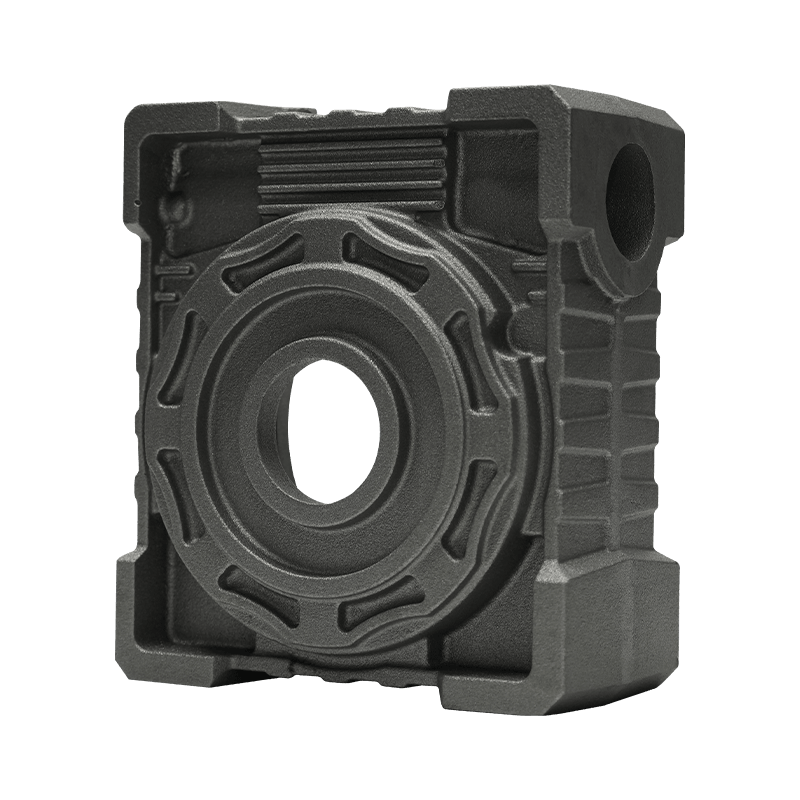
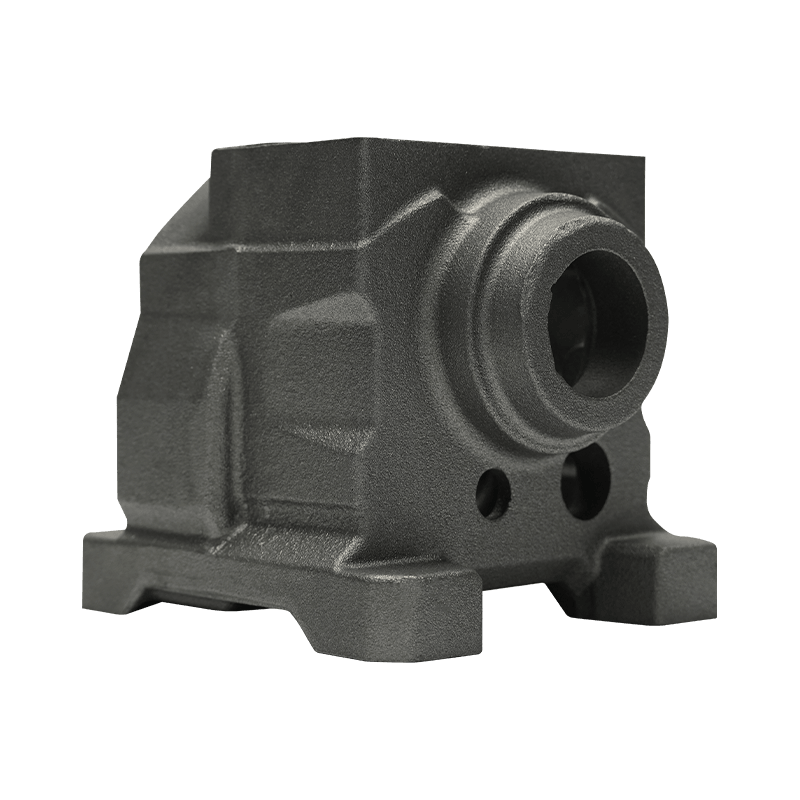
The same logic applies to pump housings, valve bodies, and other hydraulic components. Grey cast iron pump accessories are an economical choice where damping and machinability matter and service loads are moderate. When pressure rises and impact risk grows, ductile iron becomes the safer specification.
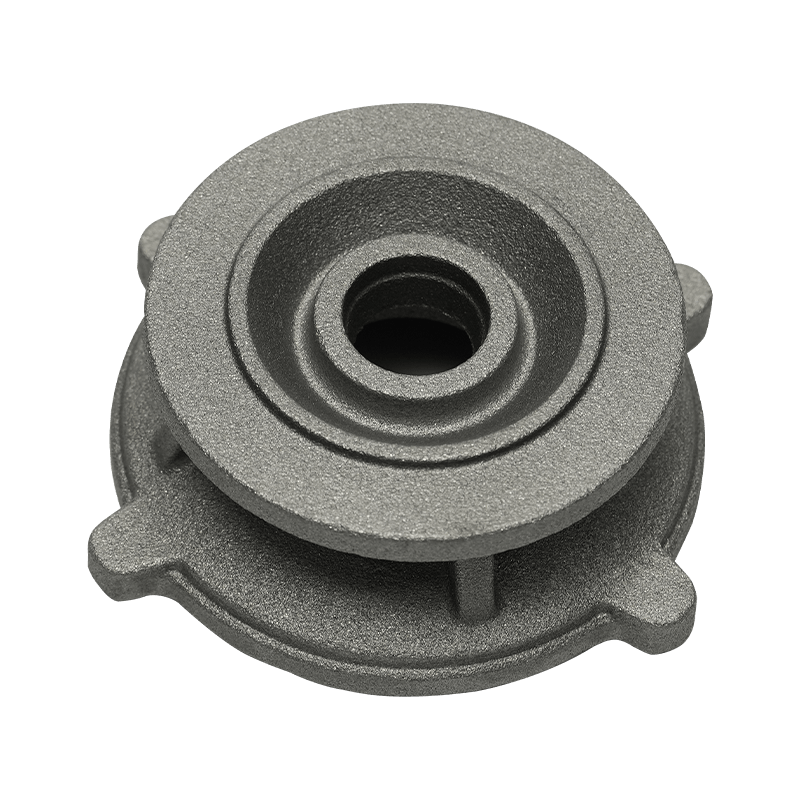 Grey Cast Iron Water Pump Accessories with Good MachinabilityAn economical option for moderate service loads, these pump parts provide effective damping and easy machining, making them suitable for hydraulic components.View Product →
For more detail, see our article on ductile iron vs cast iron key differences.
Practical Considerations for Component Buyers
When you move from steel to cast iron, the rules of carbon still apply, but you also need to think about section sensitivity, cooling rate, and part shape. A thick-walled casting cools slowly, giving graphite time to form, while a thin section cools quickly and can produce hard, unmachinable carbides. That is why a good foundry partner pays close attention to chemistry, inoculation, and process control.
For buyers, the practical question is not simply whether carbon is good or bad. It is what property you need and what carbon level will deliver it. Need a tough, weldable structure? Choose low-carbon steel. Need a hard, wear-resistant surface and can manage heat treatment? Medium-carbon steel is usually the right starting point. Need a complex shape in large quantity at reasonable cost? A cast iron grade is often more economical than machining the same part from steel bar.
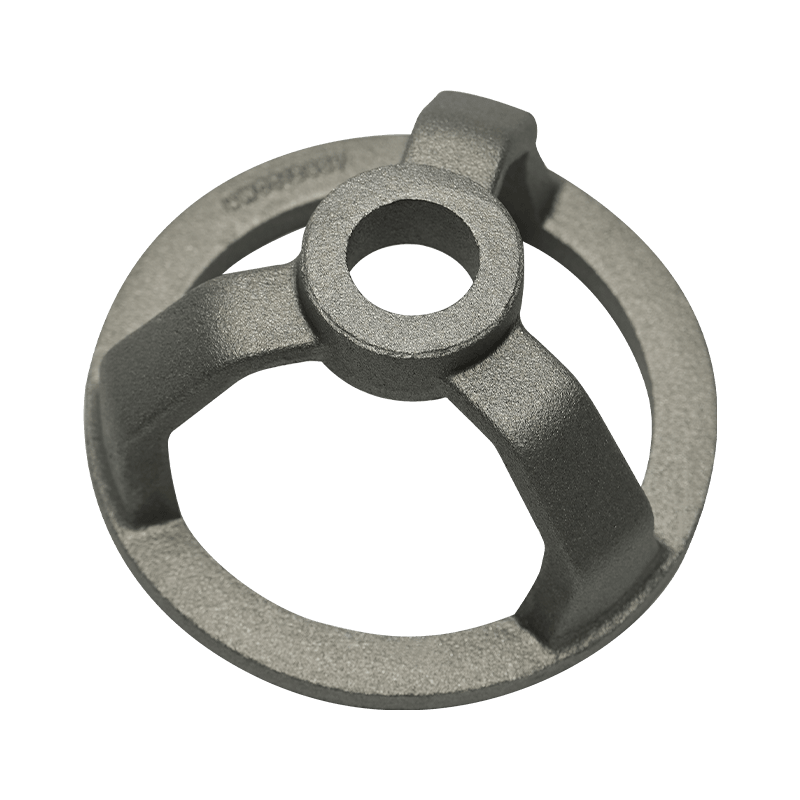
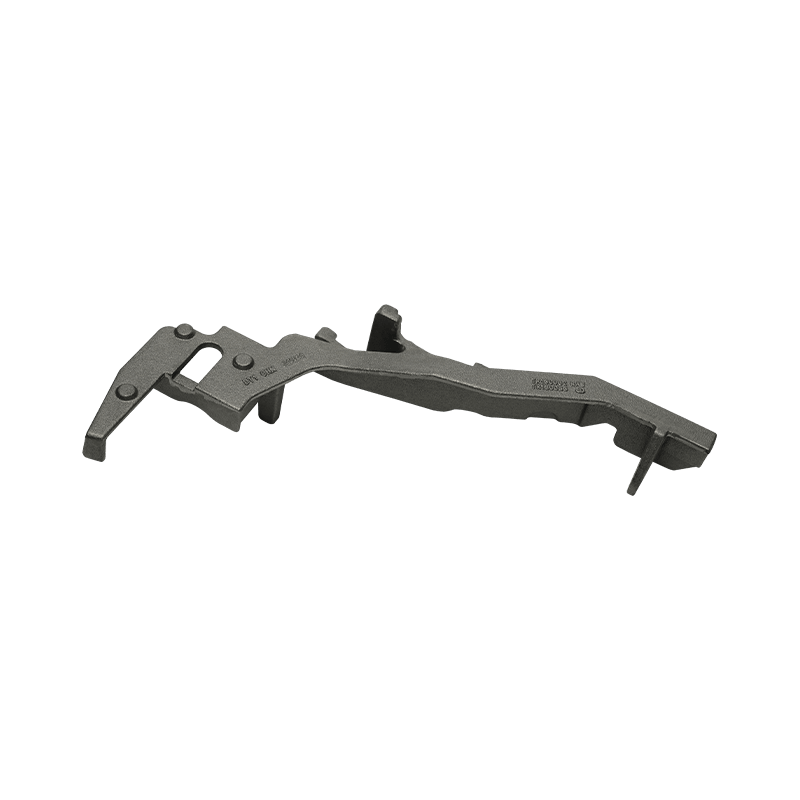
We regularly help customers work through this decision for automotive components, agricultural machinery parts, valve bodies, pump housings, and other castings. Our ductile cast iron automotive parts, for instance, are specified when a component needs the toughness of steel with the near-net-shape economy of a casting.
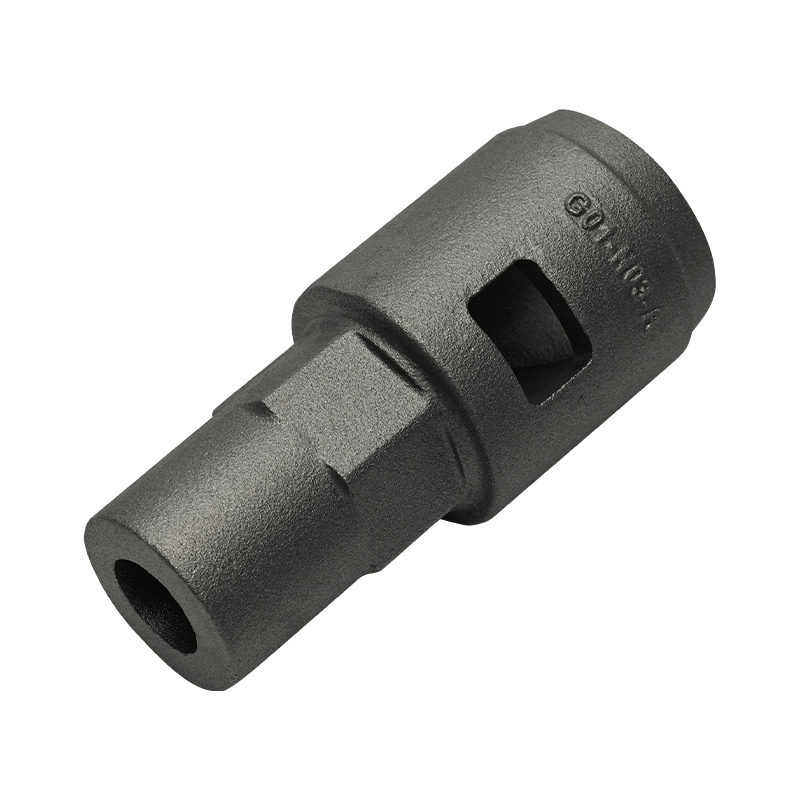 Ductile Cast Iron Automotive Parts for Toughness and Impact ResistanceThese automotive components combine steel-like toughness with casting efficiency, ideal for calipers, brackets, and cylinder blocks in demanding driving conditions.View Product →
Of course, carbon is only one part of the specification. Alloying elements such as silicon, manganese, copper, and molybdenum modify the structure further, and the foundry's process control determines whether the final casting actually delivers the promised properties.
Carbon is not a simple "more is better" story. It is a dial that adjusts the entire personality of an iron-carbon alloy, and the right setting depends entirely on the application. Whether you are starting from steel sections or from a casting drawing, understanding carbon is the first step toward a component that performs, lasts, and stays economical.
When you need a partner who thinks about carbon content, microstructure, and process control together, a foundry with real experience makes all the difference. At Yancheng Longwan Machinery, we manufacture grey and ductile iron components for automotive, agricultural, valve, pump, and automation applications. Our engineering team is happy to help with your material selection.