

 English
 русский
 Deutsch

Content
- 1 What Makes Grey Cast Iron "Grey"
- 2 Step One: Building the Charge Mix
- 3 Step Two: Melting in a Cupola or an Induction Furnace
- 4 Step Three: Patterns, Moulds and Cores
- 5 Step Four: Pouring, Inoculation and Solidification
- 6 Step Five: Fettling, Stress Relief and Machining
- 7 Quality Checks That Decide Whether a Casting Ships
- 8 Grey Iron and Ductile Iron: One Extra Step, Very Different Behaviour
- 9 Where Grey Cast Iron Parts End Up
- 10 Working With a Foundry on Your Own Drawings
Grey cast iron has been poured into sand moulds for centuries, yet the questions buyers ask have barely changed: what actually goes into the furnace, how does the carbon end up as flake graphite, and why do two foundries producing the "same" grade deliver parts that behave so differently?
We have been casting iron components for industrial customers since 2006, and the honest answer is that grey iron is a simple material made by a process with very little room for guesswork. The steps below are the ones any serious foundry follows, from charge preparation to final inspection.
What Makes Grey Cast Iron "Grey"
Grey cast iron is an iron-carbon alloy holding far more carbon than steel can dissolve, typically 3.0 to 3.8 percent carbon together with 1.8 to 2.8 percent silicon and small amounts of manganese, sulfur and phosphorus. Silicon is the quiet hero of the recipe: it pushes carbon out of solution so it forms graphite instead of combining with iron into hard cementite.
Because the metal cools slowly inside a sand mould, that graphite grows into flakes. The flakes give the fracture face its dark grey colour and shape nearly every property the material is valued for. They interrupt the metal matrix, so tensile strength and elongation remain modest, but they absorb vibration, spread heat quickly and break chips cleanly on a lathe. For machine bases, housings, brake drums and pump bodies, that trade-off is exactly what designers want.
Step One: Building the Charge Mix
Every heat begins as a recipe. A typical charge blends three streams:
- Pig iron, which provides a consistent carbon and silicon base.
- Foundry returns such as runners, risers and rejected castings, remelted in-house to recover material and stabilise costs.
- Steel scrap, added to dilute carbon and rebalance the overall composition.
- Ferroalloys and carburiser, including ferrosilicon, ferromanganese and graphite, for fine adjustment before tapping.
Cleanliness matters more than most people expect. Scrap carrying oil, paint or cutting fluid introduces hydrogen and sulfur into the melt, and those elements show up later as porosity or as graphite that refuses to form properly. Sorting the charge carefully at the yard saves trouble at the furnace.
Step Two: Melting in a Cupola or an Induction Furnace
Cupola melting
The traditional route burns coke in a vertical shaft furnace, with limestone added as flux to carry ash and sulfur into the slag. It melts continuously and cheaply at high volume, but chemistry drifts more, and the iron picks up sulfur that must be offset later.
Induction furnace melting
Most modern jobbing foundries melt in medium-frequency induction furnaces. The bath is stirred electromagnetically, samples can be taken and corrected within minutes, and batch sizes flex from a few hundred kilograms to several tonnes. The result is tighter carbon and silicon control and cleaner metal, which is why induction melting dominates work with specified grades and thin wall sections.
Whichever route is used, the target at tap is the same: fully molten iron superheated to roughly 1,450 to 1,500 degrees Celsius, so it can fill a mould completely before it starts to freeze.
Step Three: Patterns, Moulds and Cores
While the furnace works, the mould shop prepares the cavity. A pattern carries the shape of the finished part plus a machining allowance and a shrinkage allowance, since grey iron contracts roughly one percent as it solidifies and cools. The pattern is packed in green sand or in resin-bonded sand, then withdrawn, leaving a cavity with the part's external geometry.
Hollow features come from cores, made from sand mixed with a binder that hardens into a shape strong enough to survive pouring and weak enough to collapse afterwards. The gating and risering system decides how metal enters the cavity and how it feeds shrinkage, and it is often the difference between a clean casting and one full of internal voids.
Step Four: Pouring, Inoculation and Solidification
Iron tapped at 1,450 to 1,500 degrees Celsius is poured at around 1,350 to 1,420 degrees Celsius. Just before or during pouring, a small amount of ferrosilicon is added. This step, called inoculation, is what guarantees the graphite forms as flakes rather than as hard, unmachinable white iron. It is measured in fractions of a percent and it decides machinability more than almost anything else in the process.
Pouring temperature, pouring time and the shape of the stream all matter. Pour too cold and the metal misruns; pour too slowly and cold shuts appear. Once the mould is full, the casting is left to solidify and cool in the sand, then shaken out on a vibrating grate.
Step Five: Fettling, Stress Relief and Machining
Shakeout is only the halfway point. Gates, risers and flash are removed, and the casting is shot blasted to a uniform surface. Where a part has thin and thick sections side by side, we apply a controlled stress-relief cycle at around 550 to 600 degrees Celsius so the casting settles before it is machined.
Machining is where a good casting proves itself. We keep casting, fettling and finishing under one roof, which means dimensional issues are caught while the part is still on our floor rather than on a customer's assembly line.
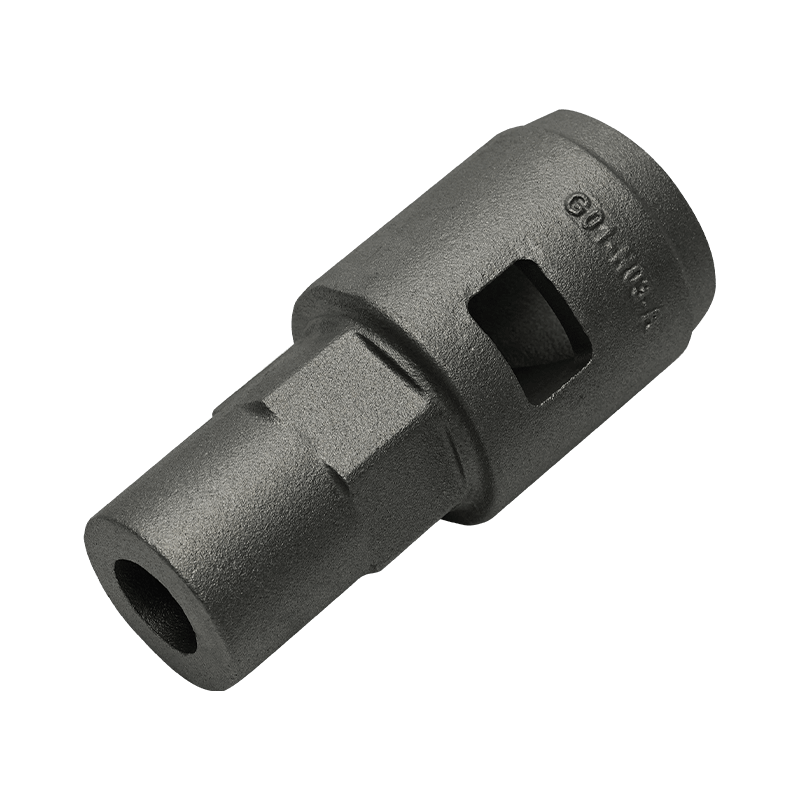
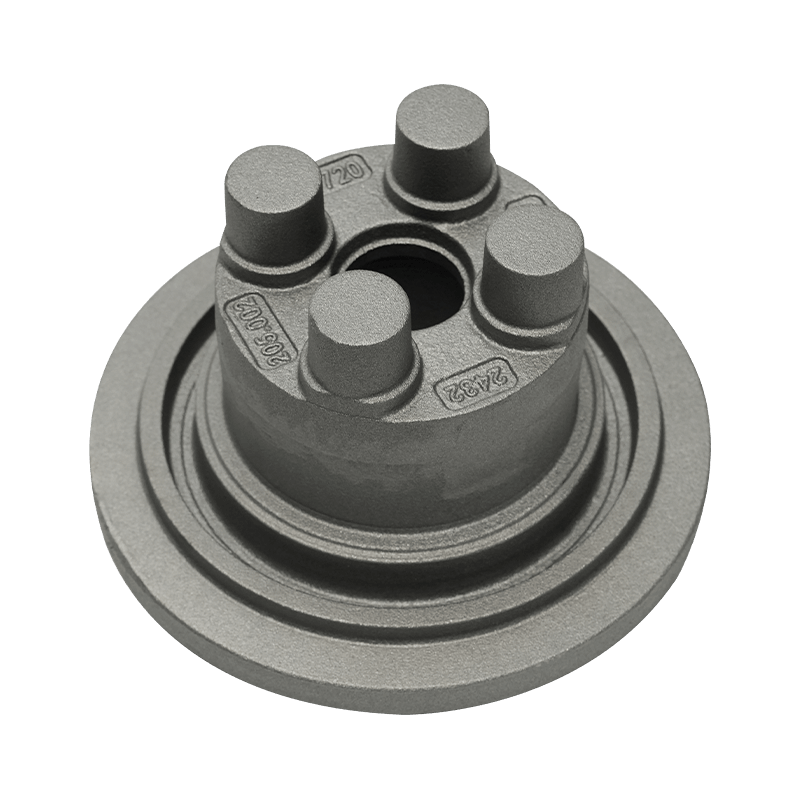
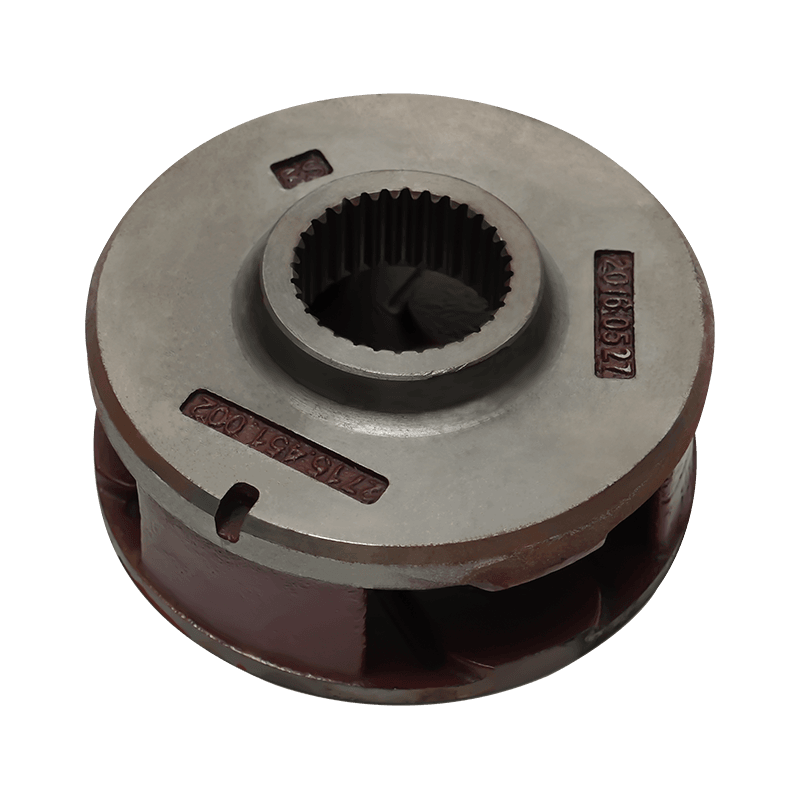
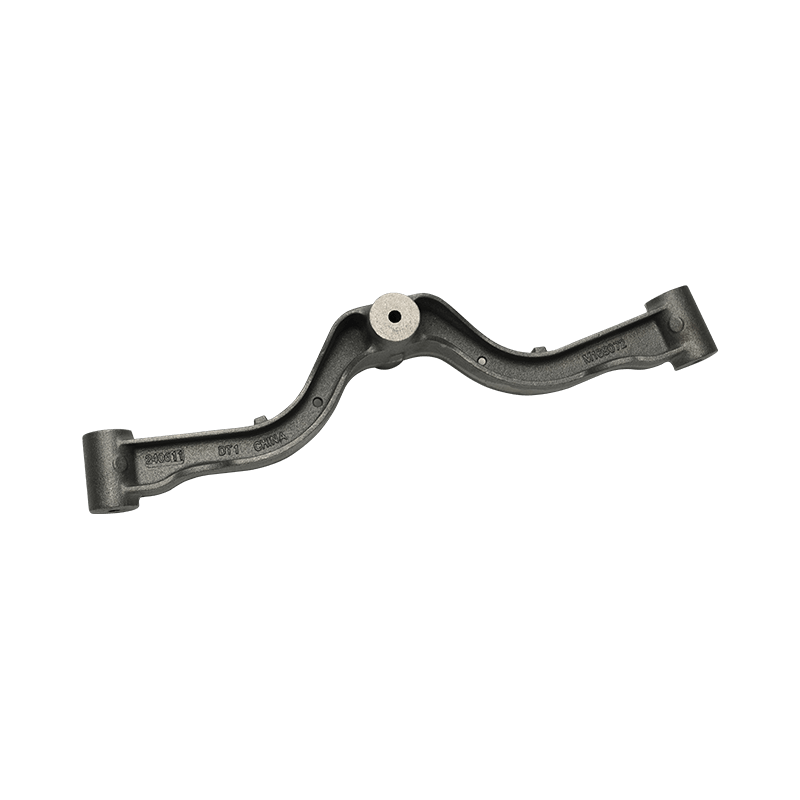
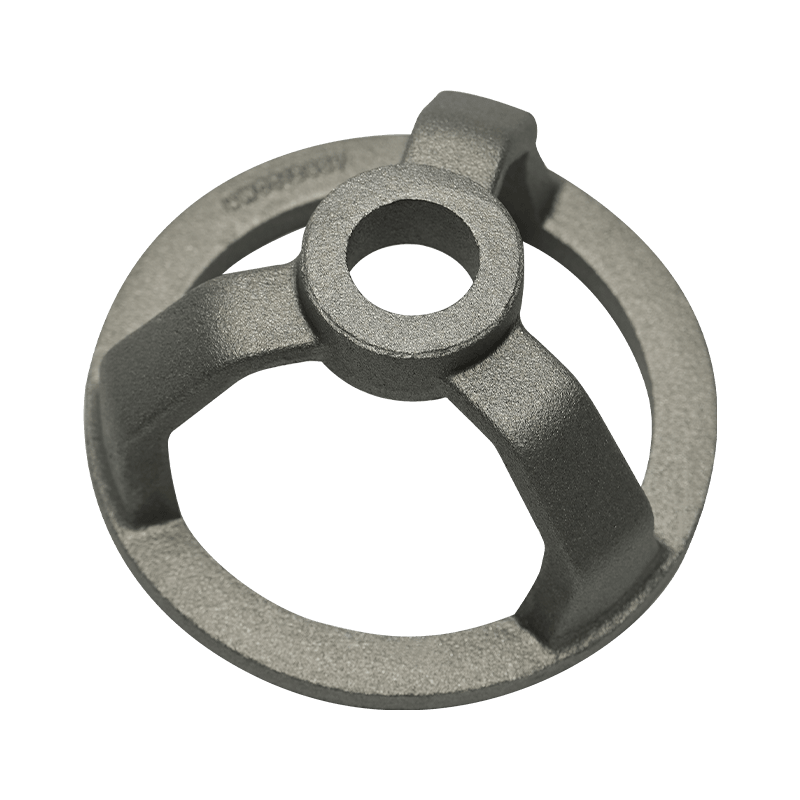
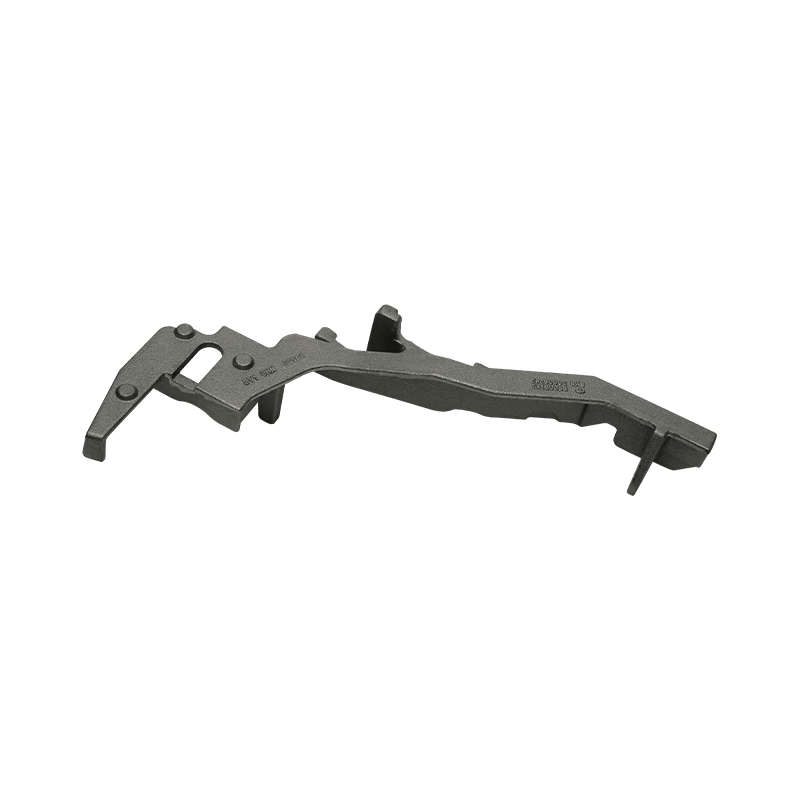
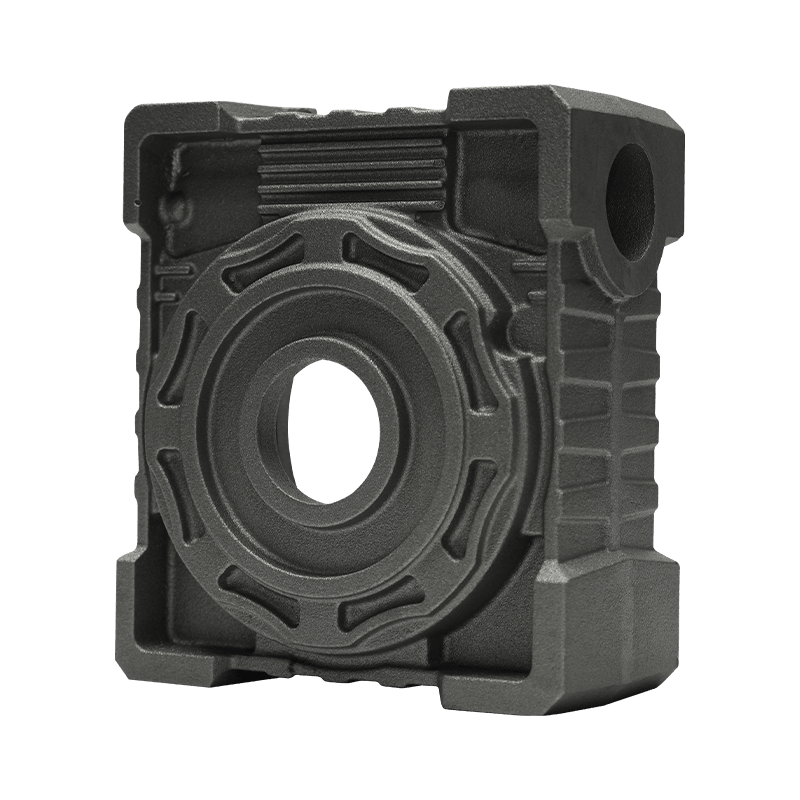
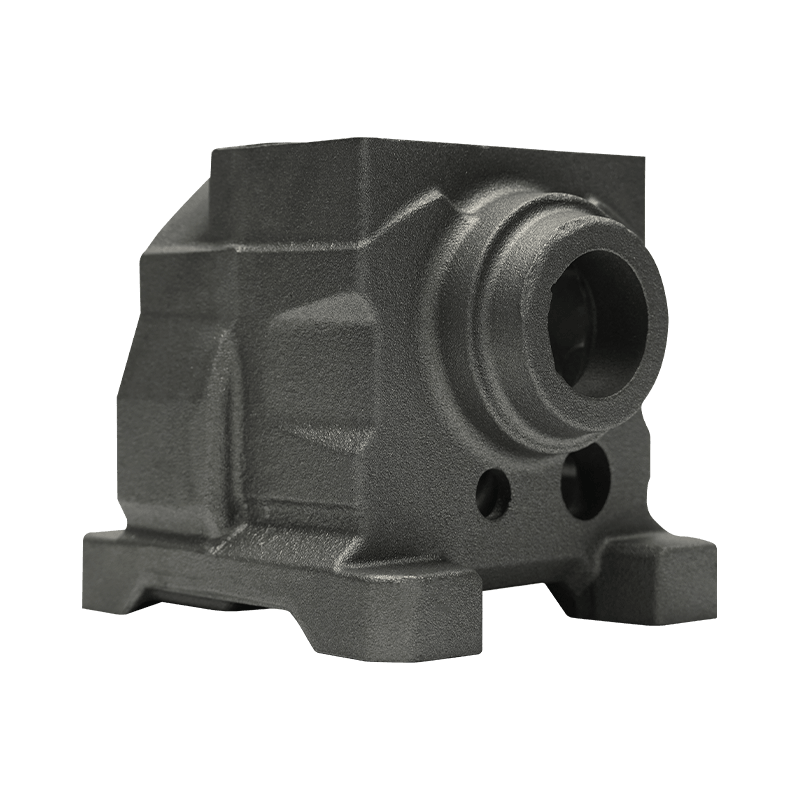
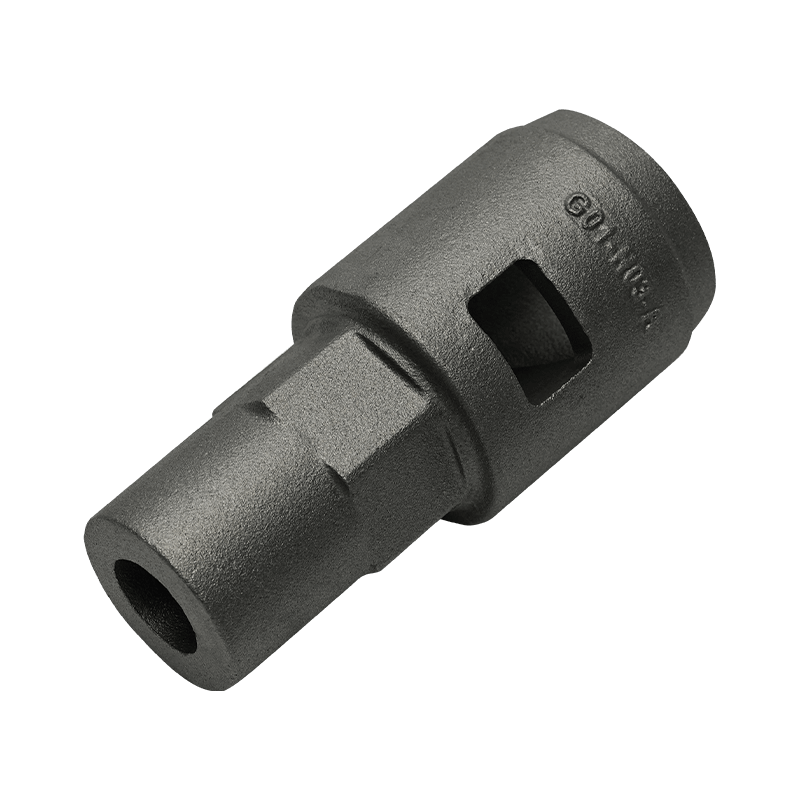 Grey Cast Iron Castings and Application-Based ComponentsExplore grey cast iron castings for automotive, agricultural, valve, pump, semiconductor, robot, and other accessory applications, with customized production from drawings or samples.View Product →
Quality Checks That Decide Whether a Casting Ships
Grey iron is forgiving in service but unforgiving in production, so control points run right through the process rather than sitting only at the end.
| Stage | Check | What it catches |
|---|---|---|
| Before pouring | Spectrometer analysis of the melt | Off-composition carbon, silicon or manganese |
| During solidification | Thermal analysis and wedge tests | Chill, weak inoculation, wrong graphite structure |
| After shakeout | Visual and dimensional inspection | Misruns, sand inclusion, core shift, thin walls |
| Before shipping | Hardness, microstructure and pressure testing | Hard spots, coarse flake size, leaks in tight parts |
Grey Iron and Ductile Iron: One Extra Step, Very Different Behaviour
Everything above produces flake graphite. Ductile iron follows the same melting, moulding and pouring route, then receives a magnesium treatment in the ladle that turns the graphite into nodules instead of flakes. Nodules do not interrupt the matrix, so the metal gains tensile strength, elongation and impact resistance while keeping much of the damping and machinability of grey iron.
If you are weighing the two materials for a specific component, we have written a plain-language breakdown of ductile iron versus cast iron that compares strength, cost and typical applications side by side.
Where Grey Cast Iron Parts End Up
Because the material melts easily, machines well and stays dimensionally stable in service, grey iron components finish up anywhere stiffness and vibration damping matter more than ultimate strength:
- Automotive housings, brackets and brake components.
- Agricultural machinery parts exposed to dust, load and weather.
- Reducer and gearbox housings that must stay quiet under load.
- Valve bodies, bonnets and fittings for fluid control.
- Water pump housings, covers and impeller-related parts.
- Frames and structural pieces for semiconductor and industrial robot equipment.
Valve work is a good example of why the material persists. A valve body needs pressure tightness, threaded connections that hold torque, and a surface that seals cleanly after machining, and flake graphite iron delivers all three at a price that cast steel cannot match.
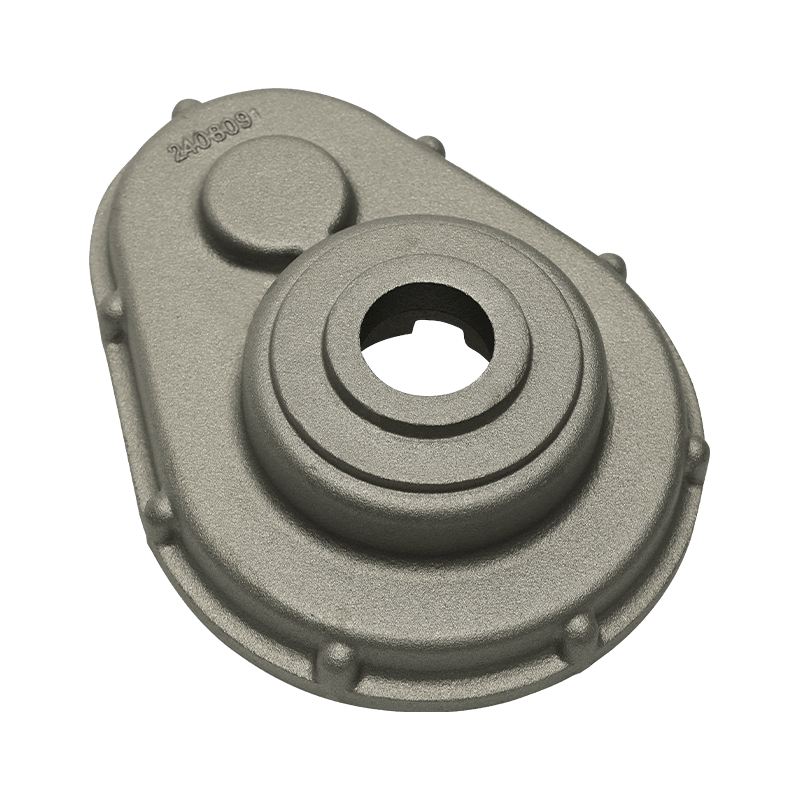 Grey Cast Iron Valve Accessories and ComponentsReview grey cast iron valve parts, including box covers, with OEM/ODM support for fire-fighting, automotive, agricultural, power, oil/gas, and water treatment applications.View Product →
Where a drawing calls for higher tensile strength or elongation, we pour ductile cast iron in the same plant, so a project can move between materials without changing supplier or tooling philosophy.
Working With a Foundry on Your Own Drawings
Much of what we produce is not a catalogue item. OEM and ODM projects usually start with a drawing, a target price and a question about feasibility: is the wall thickness castable, where should the parting line sit, how much machining allowance is realistic, and does the grade match the application. From there we build the pattern, pour a sample, inspect it and confirm the process before batch production starts.
If your part does not fit neatly into a standard category, that is normal. Custom castings are the everyday work of a jobbing foundry, not the exception.
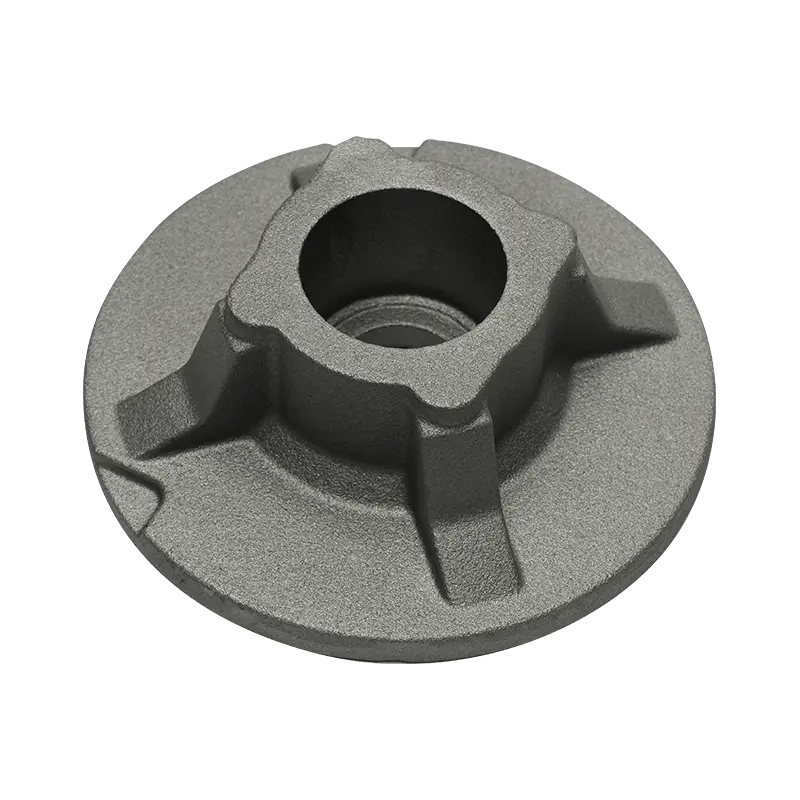 Other Grey Cast Iron Accessories for Industrial UseCustom grey cast iron accessories for industrial equipment, vehicles, construction, pipelines, and fire-fighting systems, produced from customer drawings or samples.View Product →
Making grey cast iron is not complicated in principle, but it rewards consistency: a clean charge, a controlled melt, a mould that fills the way it was designed to, and an inspection routine that catches problems before they travel. If you are sourcing grey iron components and want a supplier who can talk through the process rather than around it, we are happy to review your drawings and give you a straight answer on what is practical.