

 English
 русский
 Deutsch
Content
Deep tillage is the harshest test a farm machine will ever face. A rotary tiller gearbox housing that strikes buried rock absorbs an impact spike sharp enough to fracture a brittle casting in a single season, and a three-point hitch bracket on a loaded trailer takes shock loads for years with no maintenance at all. When agricultural machinery manufacturers choose components for duty cycles like these, ductile cast iron is usually the material they settle on. The reasoning is practical rather than fashionable: ductile iron combines near-steel tensile strength and elongation with the castability, vibration damping, and unit cost advantages of cast iron. For buyers sourcing ductile cast iron agricultural machinery parts, the questions that matter are which grades to specify, how ductile iron compares with grey iron, and how to qualify a casting supplier before the first shipment.
Why Ductile Cast Iron Performs Under Field Loads
The short answer is microstructure. In grey cast iron, graphite forms as sharp flakes that behave like internal cracks: they give the material excellent vibration damping and easy machinability, but they also concentrate stress at their tips. In ductile iron, a controlled magnesium treatment in the melt forces the graphite into rounded nodules. Spheres do not propagate cracks the way flakes do, so the casting flexes slightly under shock instead of fracturing.
The numbers behind that behavior are worth knowing when you review a drawing. A standard grade such as ASTM A536 65-45-12, or its ISO 1083 equivalent, specifies a minimum tensile strength of 65,000 psi, a yield strength of 45,000 psi, and 12 percent elongation. Grey cast iron offers strong compressive strength but essentially no measurable elongation, which is why an overloaded grey iron hitch component snaps rather than bends. That elongation is what lets a ductile iron part survive a stone impact or an operator error and keep working through the season.
Cold weather performance matters as well. Ferritic ductile grades retain useful impact toughness at low temperatures, an advantage for equipment working through winter planting or early spring tillage in northern climates. Ductile iron also keeps much of cast iron's traditional benefit: it damps vibration far better than a steel fabrication, which reduces noise and fatigue in drivetrain mounts and operator platforms. For a deeper technical background, this guide to ductile cast iron properties, grades, and uses walks through the chemistry, heat treatment, and grade selection in detail.
Where Ductile Iron Parts Live in Farm Machinery
Walk around a modern tractor, baler, or combine and you will find ductile iron wherever a part carries load, absorbs shock, or transmits torque. The most common applications include:
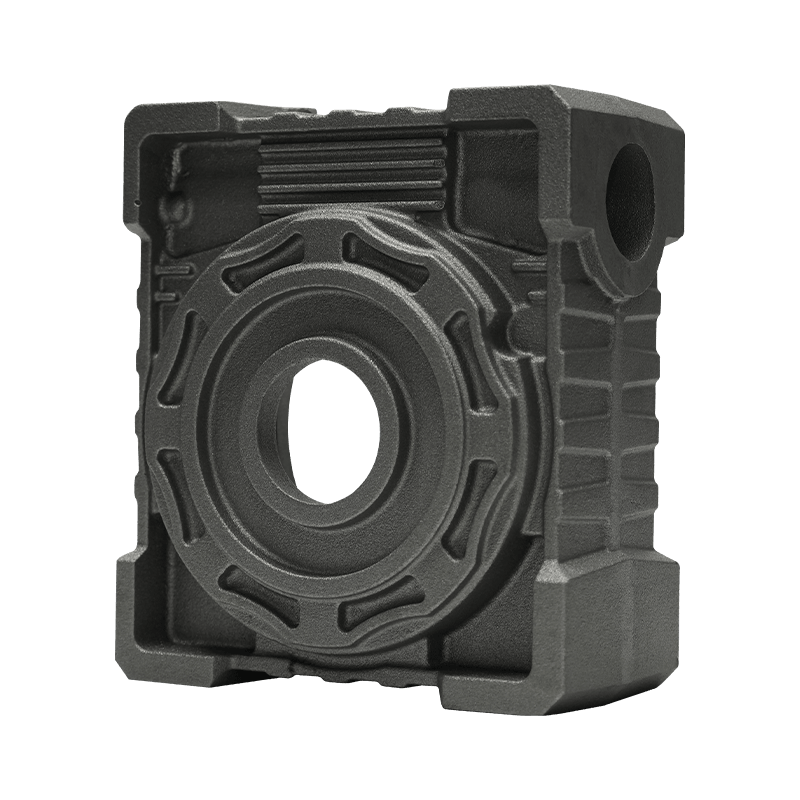
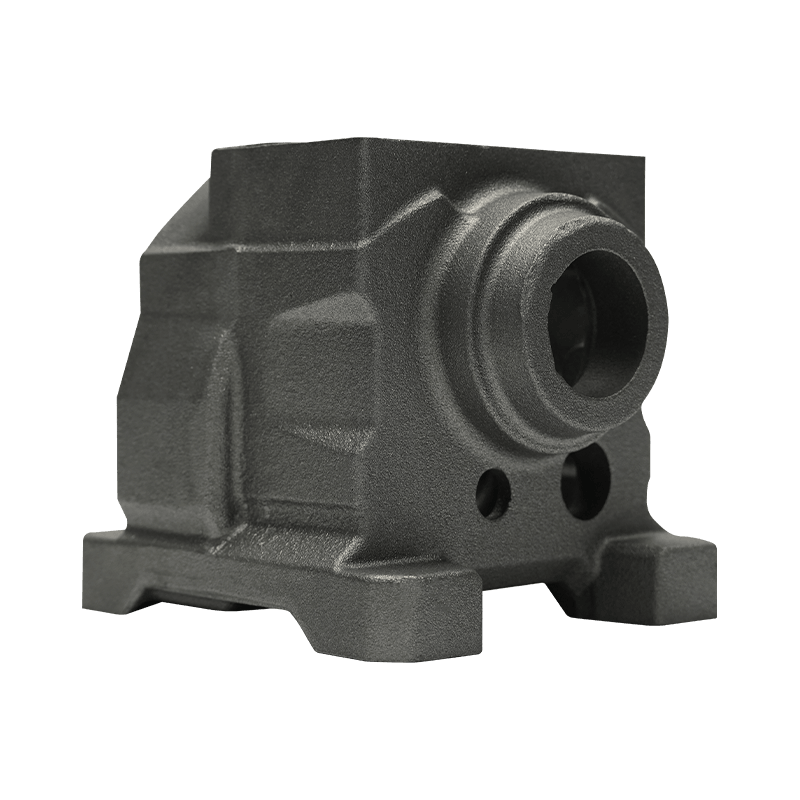
- Gearbox and transmission housings that must survive torsional shock when the implement strikes an obstacle
- Bearing housings and wheel hubs, where a cracked casting means an immediate field stoppage
- Three-point hitch and drawbar components that take repeated shock loads across uneven ground
- Brackets, supports, and mounting plates for engines, cabs, and implements
- Pulleys, sprockets, and PTO drive components that need strength and wear resistance together
- Planter, seeder, and tillage wear parts where ductility prevents sudden fracture in stony soil
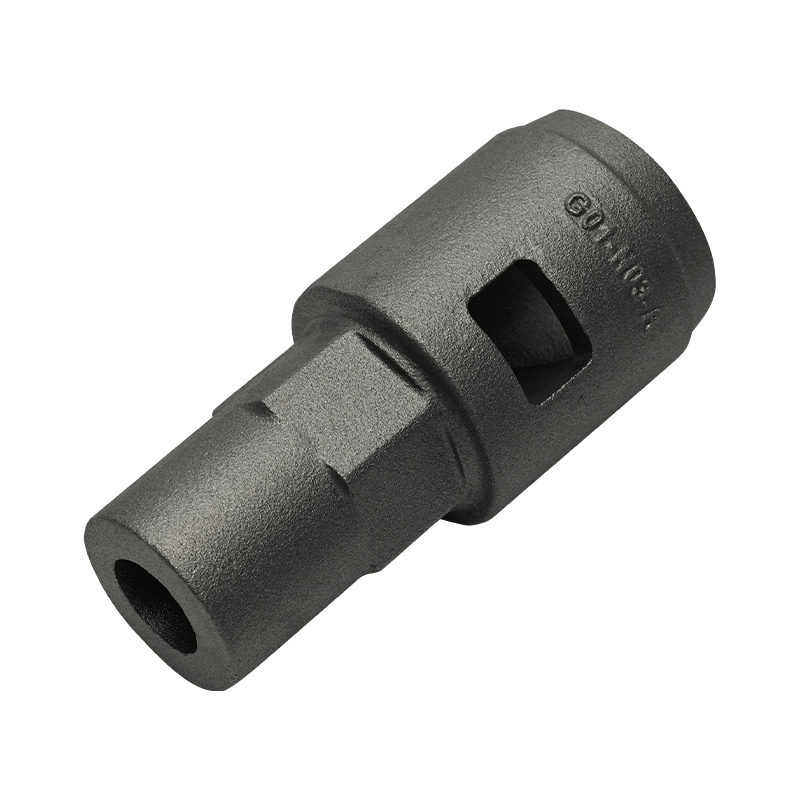
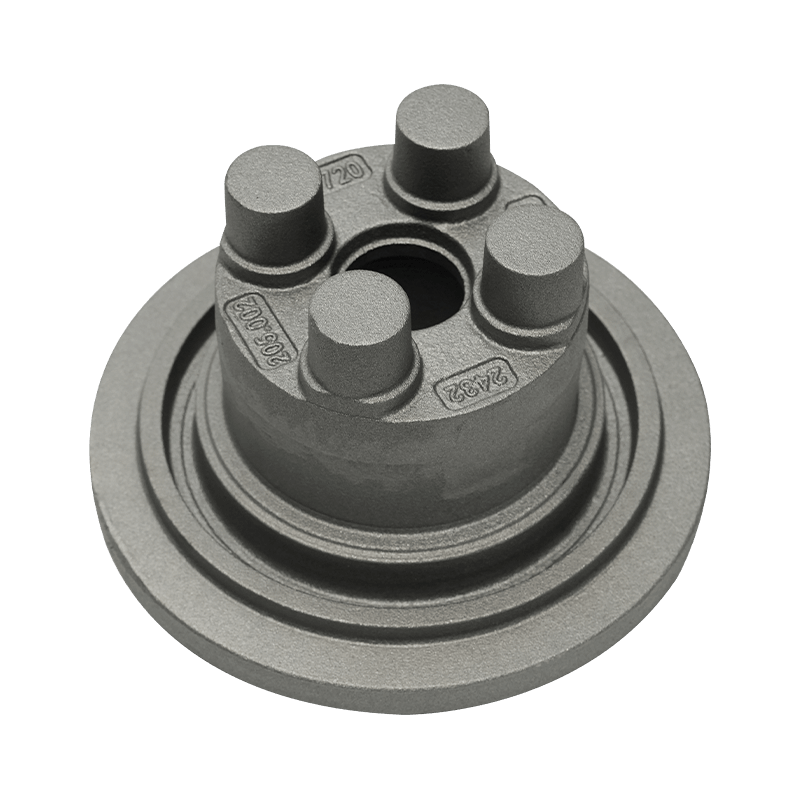
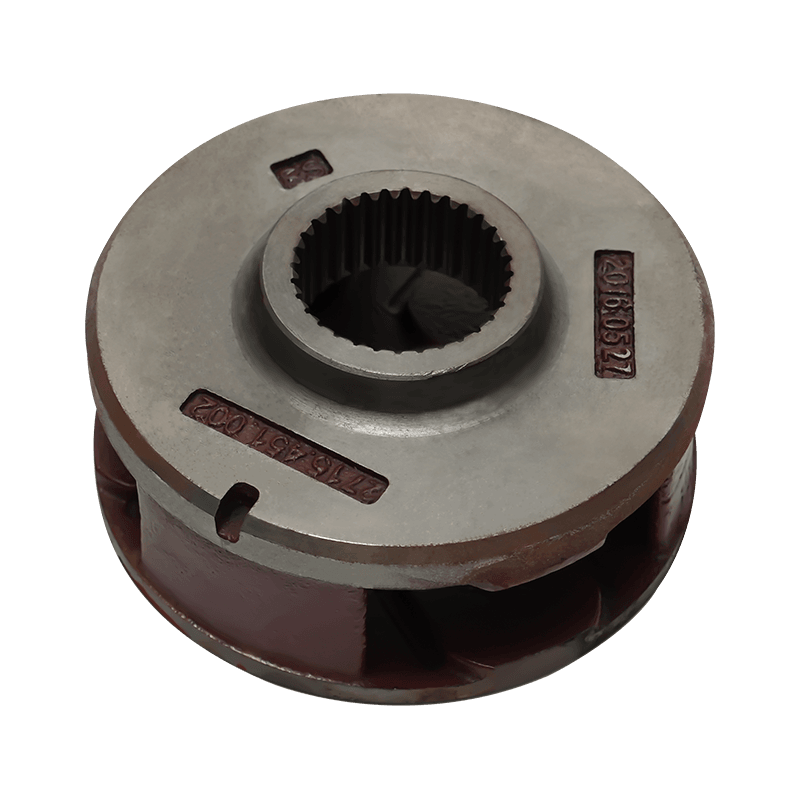
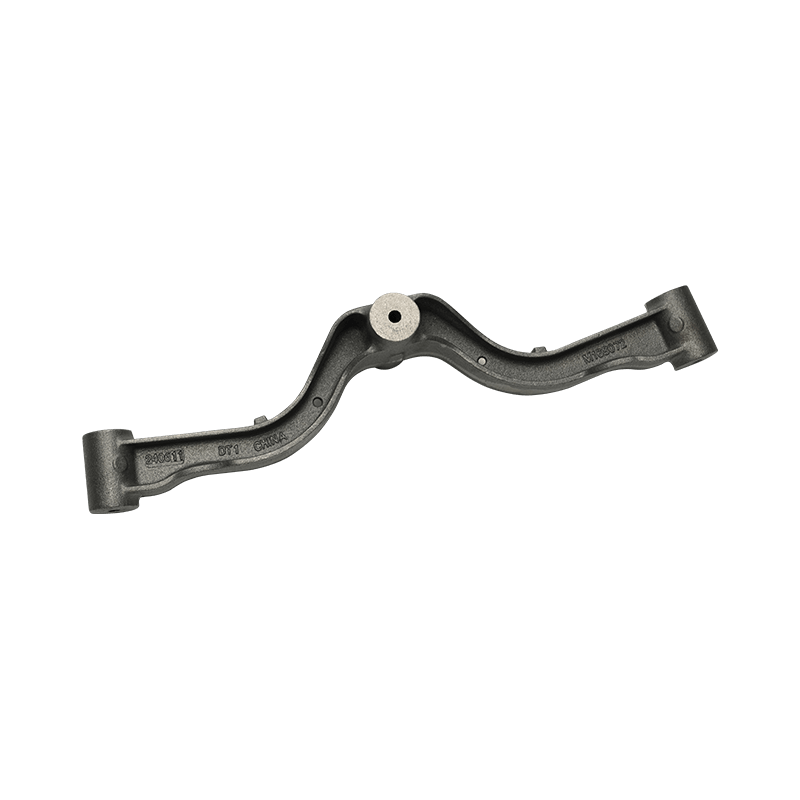
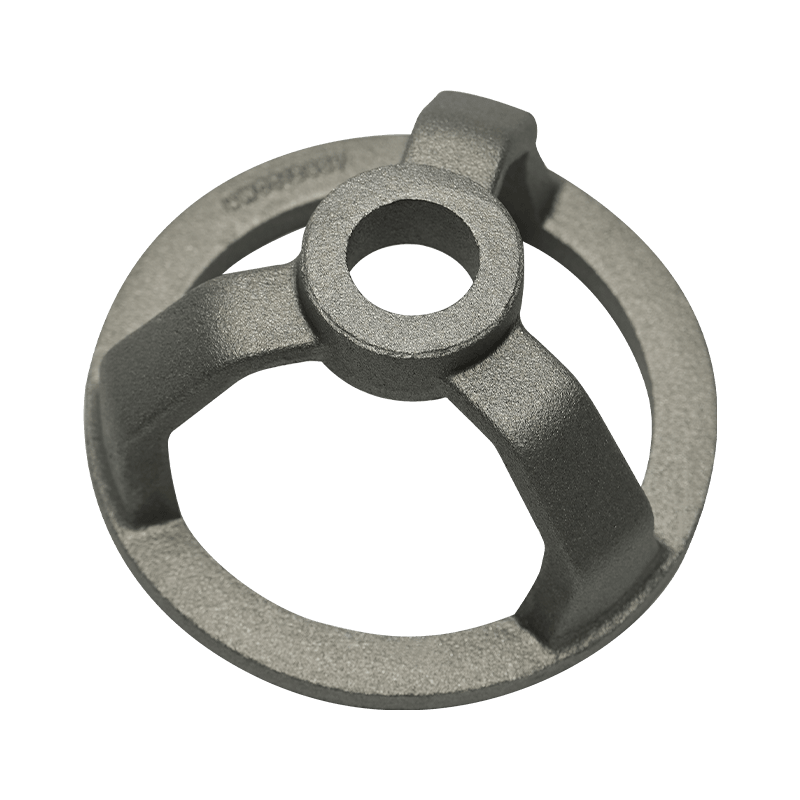
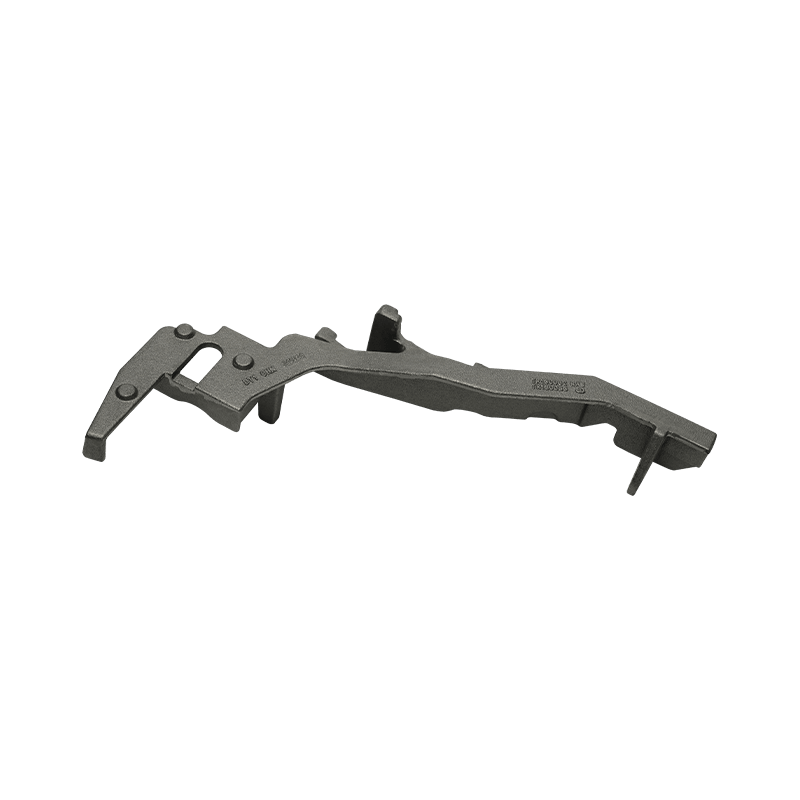
These parts rarely receive attention until one fails, and that is the point: a correctly specified casting stays invisible for the life of the machine, while a poorly specified one turns into a downtime event or a warranty claim. The product card below leads to the dedicated category of ductile cast iron agricultural machinery parts.
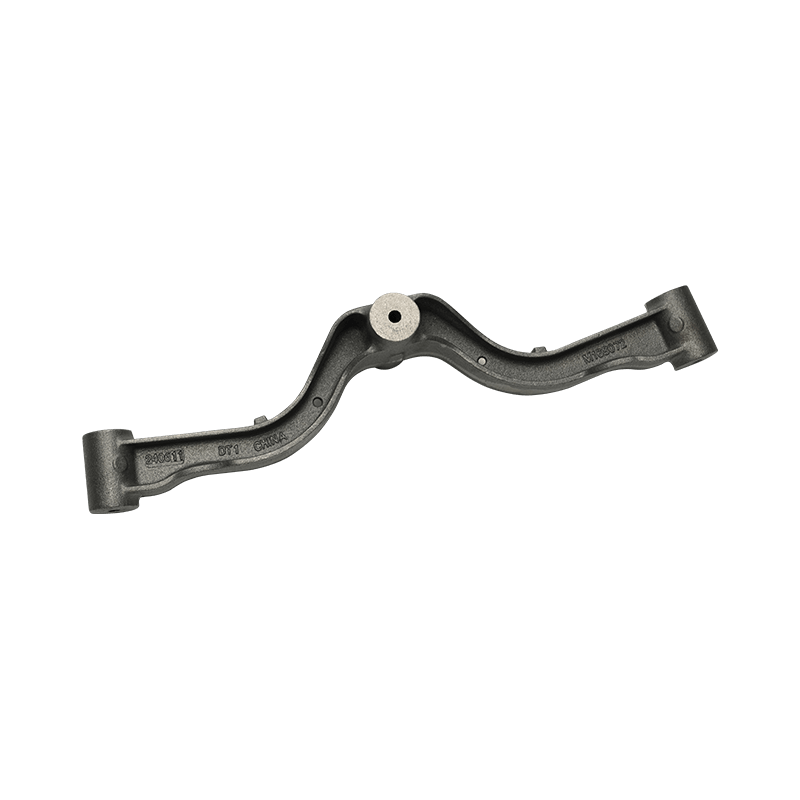 Ductile Cast Iron Agricultural Machinery PartsBridges, brackets and structural ductile iron components built for heavy loads, impact and harsh field conditions. Worth viewing when a part sees tension, bending or impact and a failure would mean downtime.View Product →
Ductile Iron vs Grey Cast Iron: Choosing by Load Path
Grey iron still has a legitimate role on farm machinery, and framing the two materials as rivals oversimplifies the decision. Grey iron machines faster, damps vibration superbly, and costs less, which is why it remains common for covers, static housings, and pulleys. Ductile iron is the right choice whenever a part sees tension, bending, or impact. The comparison below condenses the practical differences.
| Property | Ductile Cast Iron | Grey Cast Iron |
|---|---|---|
| Tensile strength | Roughly 60,000-100,000 psi depending on grade | Roughly 20,000-45,000 psi |
| Elongation | 3 to 18 percent by grade | Practically none |
| Impact behavior | Absorbs shock and resists fracture | Flakes propagate cracks under load |
| Vibration damping | Moderate | Excellent |
| Machinability | Good | Excellent |
| Typical farm duty | Loaded housings, hitches, hubs, brackets | Covers, pulleys, static housings |
A workable rule of thumb: if a broken part would strand the machine or create a safety hazard, specify ductile iron; if the part is a static housing where damping and machining cost dominate, grey iron often remains the smarter selection. Manufacturers who work with both materials usually maintain parallel product lines, and the product card below leads to the grey cast iron agricultural machinery parts category for those applications.
Grey Cast Iron Agricultural Machinery PartsEnd covers, bearing seats and static housings machined from grey iron, valued for vibration damping, wear resistance and lower cost. A sensible option where parts carry static loads rather than tension or impact.View Product →What Buyers Should Put on the Drawing
Most disputes between farm equipment makers and casting suppliers trace back to drawings that under-specify the material. A complete ductile iron specification should state:
- The material grade by a recognized standard, such as ASTM A536, ISO 1083, or EN-GJS-400-15, rather than a vague "cast iron" callout
- Casting tolerance grade and machining allowance, referenced to ISO 8062, so critical bores and mounting faces are machined to size
- Heat treatment requirements, since a ferritizing anneal raises elongation for shock-loaded parts
- Minimum nodularity in the microstructure, verified on sectioned samples rather than assumed from the melt chemistry
- Inspection methods, from spectrometer chemistry checks on each melt to hardness testing and visual or magnetic-particle inspection of critical surfaces
Each of these lines costs little to add to a purchase order and prevents the classic failure modes: a housing machined from a mis-poured melt, a hub with poor nodularity that passes visual inspection but fractures in service, or a bracket delivered at the right grade but with tolerances too loose for automated assembly.
Sourcing Ductile Iron Parts from an OEM Foundry
For most agricultural machinery manufacturers, castings are bought rather than made, so the supplier's process capability matters as much as the quoted price. A typical engagement starts with drawings and a sample phase, moves through trial assembly on the customer's line, and only then reaches serial production. Tooling investment, minimum order quantities, and the foundry's willingness to iterate on gating and risering to eliminate shrinkage porosity all deserve attention at this stage.
A Supplier Example
Yancheng Longwan Machinery Co., Ltd. fits this profile. Founded in 2006 in Yancheng, Jiangsu Province, the company casts both ductile and grey iron and supplies components to agricultural machinery, automotive, valve, and water pump manufacturers, among other industries. Its ODM and OEM service means parts are produced to customer drawings rather than picked from a catalog, and its plant sits beside the G204 highway about ten kilometers from the Baiju expressway exit, which keeps raw material inbound and finished parts outbound on schedule.
Custom parts that fall outside the standard categories, such as specialized brackets or equipment-specific fittings for a new implement design, are handled through the broader other ductile cast iron accessories group shown in the product card below.
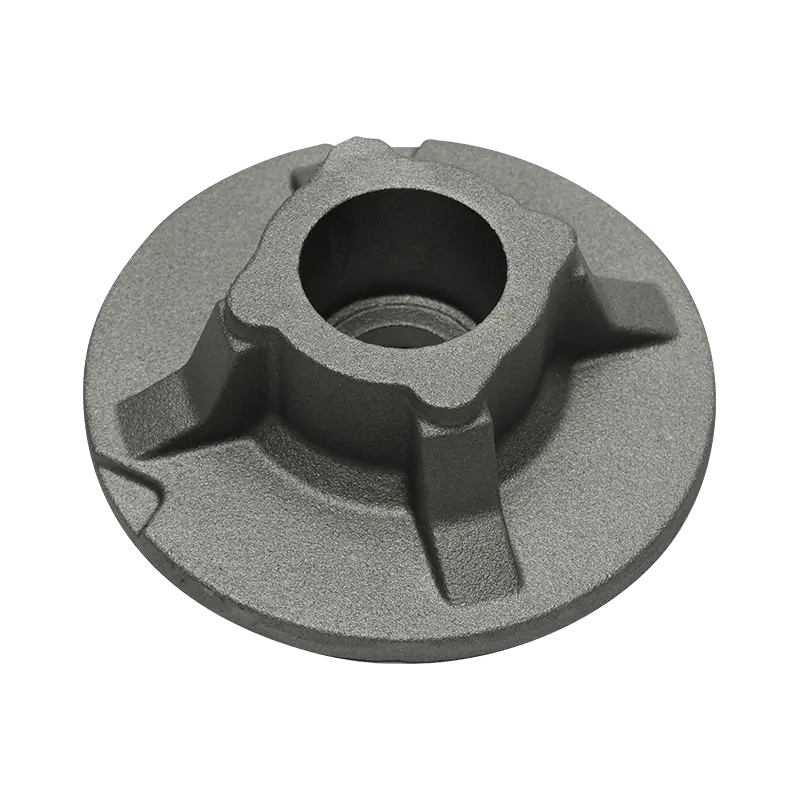 Custom Ductile Cast Iron AccessoriesCustom ductile iron fittings such as specialized brackets and implement-specific parts outside standard categories. Suitable for new equipment designs needing strength, toughness and fatigue resistance.View Product →
The Bottom Line for Farm Machinery Buyers
Ductile cast iron earns its place on farm machinery by doing what grey iron cannot: absorbing shock and bending slightly instead of breaking. Put the grade, the microstructure requirement, and the inspection method on the drawing; match the material to the load path, with ductile iron for hitches, hubs, and loaded housings and grey iron for covers and damping-critical static parts; and choose a foundry with demonstrated OEM experience in agricultural components. Those three steps turn a commodity purchase into a reliability decision that shows up years later as fewer field failures and fewer warranty claims.