

 English
 русский
 Deutsch
Content
- 1 What Counts as a Ductile Cast Iron Valve Accessory
- 2 Why Ductile Iron Carries Pressure and Abuse Better
- 3 Where Grey Cast Iron Still Makes Sense
- 4 Matching Accessories to the Line: Media, Pressure, and Coatings
- 5 A Procurement Checklist for Cast Valve Components
- 6 Sourcing From a Foundry That Pours Both Materials
A gate valve wedge that passes a shop pressure test can still crack the first time a crew drops it into a trench, and a bonnet that machined cleanly last month can come out of this month's batch riddled with shrinkage porosity. Both failures trace back to the same purchasing decision: the casting material. The short answer for anyone specifying ductile cast iron valve accessories is straightforward — use ductile iron for every pressure-bearing, impact-exposed component such as bodies, bonnets, wedges, and discs, and keep grey iron for stable, low-duty parts like handwheels and gearbox covers, where its vibration damping and lower price are genuine advantages.
The sections below explain what falls under the term valve accessories, why the graphite structure in ductile iron changes the economics of valve design, where grey iron still wins, and which points to lock down with a foundry before the first pattern is cut.
What Counts as a Ductile Cast Iron Valve Accessory
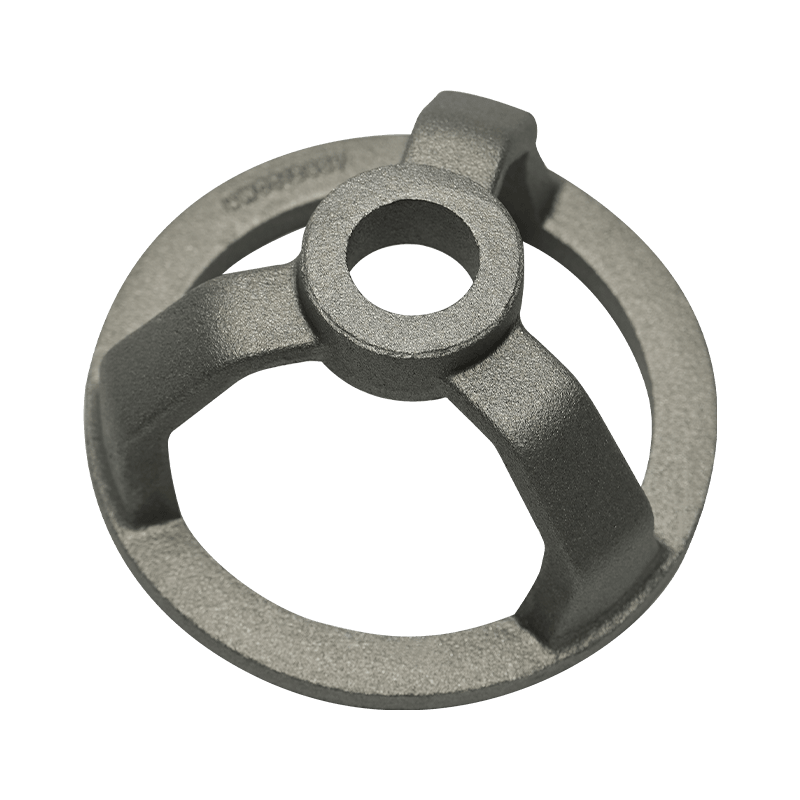
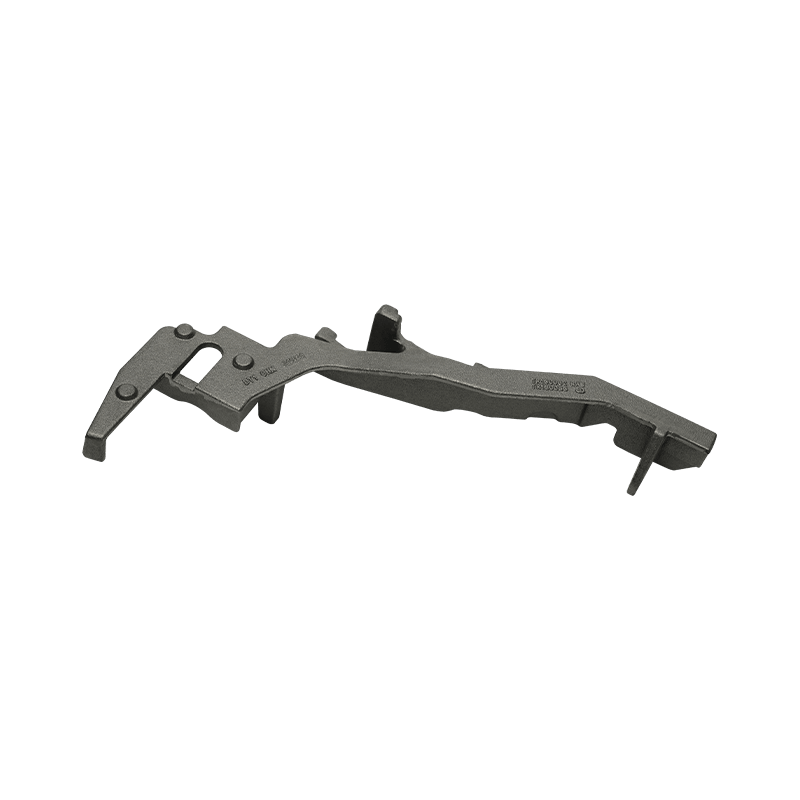
In casting terms, valve accessories cover every cast component that surrounds the sealing mechanism of a valve. Valve manufacturers buy these parts as near-net-shape or machined castings, then assemble them with stems, seats, seals, and fasteners into finished valves for water works, fire protection, HVAC, and general industrial lines.
- Bodies and bonnets (or covers) for gate, globe, check, and butterfly valves
- Wedges for gate valves and discs for check and butterfly valves
- Yokes, gland flanges, and gland assemblies that guide and seal the stem
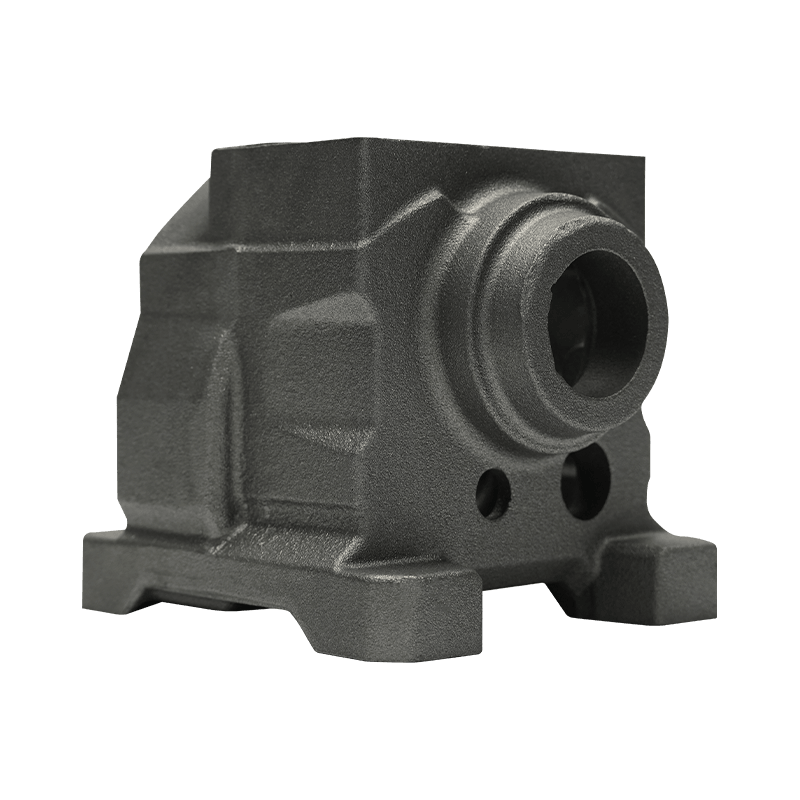
- Gearbox and actuator housings for worm-gear operated valves
- Handwheels and locking devices, most of which remain grey iron
- Flanged hubs, adapter rings, and other connecting castings
The same drawing can often be cast in either material. Switching between ductile and grey iron changes the wall thickness, the finished weight, and — most importantly — how the part behaves when it is overloaded in the field.
Why Ductile Iron Carries Pressure and Abuse Better
Ductile iron earns its mechanical advantage from the shape of its graphite. A magnesium-based treatment added to the melt forces the graphite into nodules instead of flakes, so the metal matrix carries load continuously rather than stopping at the tip of every graphite flake. An ASTM A536 65-45-12 casting, for example, offers a minimum tensile strength of about 65,000 psi (450 MPa) with roughly 12% elongation, while a typical grey iron such as ASTM A48 Class 30 reaches about 30,000 psi (207 MPa) with almost no elongation before it snaps. European buyers will recognize the neighboring grades EN-GJS-400-15 and EN-GJS-500-7 under EN 1563.
That elongation is what valve designers are really buying. Higher strength permits thinner walls at the same PN10 to PN25 or Class 125/150 rating, which cuts casting weight and machining stock. The toughness itself absorbs shock — rough forklift handling, trench installation, pressure surges and water hammer — by denting or bending rather than shattering.
| Property | Ductile cast iron | Grey cast iron |
|---|---|---|
| Graphite form | Nodules (spheroidal) | Flakes |
| Typical grade | ASTM A536 65-45-12 / EN-GJS-400-15 | ASTM A48 Class 30 |
| Minimum tensile strength | About 65,000 psi (450 MPa) | About 30,000 psi (207 MPa) |
| Elongation | Roughly 12% | Under 1% |
| Response to impact | Dents or bends, stays intact | Cracks, loses pressure containment |
| Typical valve roles | Bodies, bonnets, wedges, discs | Handwheels, covers, gearbox housings |
Grades are not interchangeable, though. A ferritic 65-45-12 suits low-temperature water service, while a pearlitic 80-55-06 or EN-GJS-500-7 gives higher strength for larger diameters and higher pressure classes at some cost in elongation. Match the grade to the duty rather than to the cheapest quote, and ask the foundry to document its melt treatment for every heat.
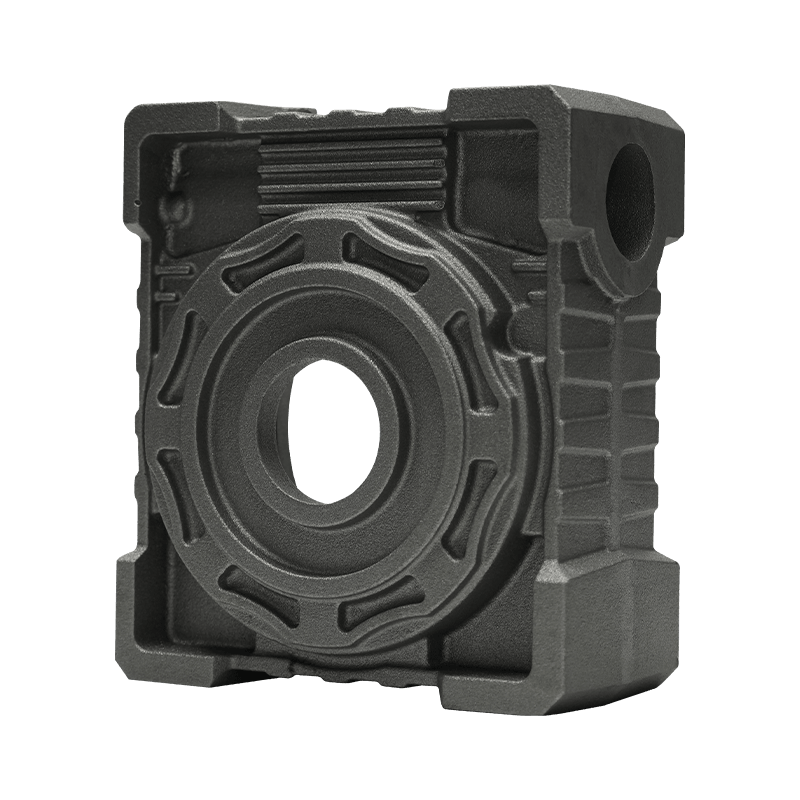
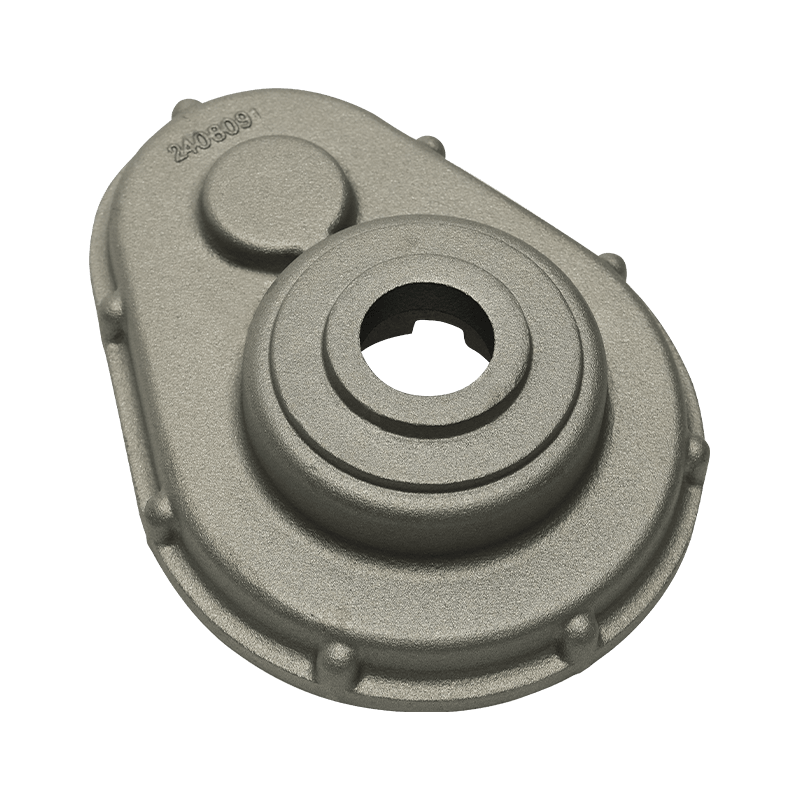 Ductile Iron Valve Body and Box CastingsDuctile iron valve bodies and boxes combine high strength with toughness, suiting high-pressure and demanding valve duties. Grade selection such as 65-45-12 or 80-55-06 should match the operating pressure, temperature, and diameter of the intended service.View Product →
Where Grey Cast Iron Still Makes Sense
Grey iron is not a compromise to be engineered out at every opportunity. Flake graphite gives it three qualities ductile iron cannot match at the same price: high vibration damping, high thermal conductivity, and excellent dimensional stability during machining. That is why handwheels, gearbox housings, and low-pressure covers stay grey iron in most valve catalogs.
In low-pressure circuits that see frequent temperature swings, grey iron bodies also manage thermal cycling well, because heat moves through the flake structure quickly and expansion stays low. If that duty profile matches your project, it is worth reviewing how grey cast iron valve accessories behave in systems with frequent thermal cycling before defaulting to ductile iron.
What grey iron cannot absorb is mechanical abuse. With elongation under 1%, a dropped wedge or an over-torqued bonnet bolt cracks rather than bends, which is the main reason pressure-bearing parts have migrated to ductile iron over recent decades. Cost remains grey iron's strongest argument — equivalent castings usually price noticeably lower — but the saving only pays off when the duty is genuinely low-stress.
Grey Cast Iron Valve Box CoverA grey iron box cover protects valve internals and ensures closed-state sealing where duties are genuinely low-stress. Flake graphite offers vibration damping and dimensional stability, keeping grey iron competitive for handwheels, housings, and low-pressure covers.View Product →Matching Accessories to the Line: Media, Pressure, and Coatings
Material choice only pays off when the accessories fit the pipeline around them. In potable water works, irrigation networks, and building services, ductile iron bodies dominate because they combine PN16-class strength with bolted, weld-free assembly. Fire protection lines add another layer: finished valves must satisfy UL and FM listing requirements, which starts with castings that hold consistent wall thickness and internal soundness batch after batch.
Coating is not optional for buried or wet service. Fusion-bonded epoxy, commonly specified at 250 microns of dry film or more in line with AWWA C550 practice, protects ductile and grey iron alike from graphitic corrosion. A casting that meets every mechanical specification can still fail in service if the epoxy is thin or pinholed, so thickness requirements and holiday testing belong in the purchase contract, not in a verbal promise.
Valves and pipework should also come from the same material family. Pairing ductile iron valves with ductile iron pipe fittings keeps flange dimensions, wall response to pressure surges, and coating systems consistent across one installation, and it simplifies spare-part planning for the operator.
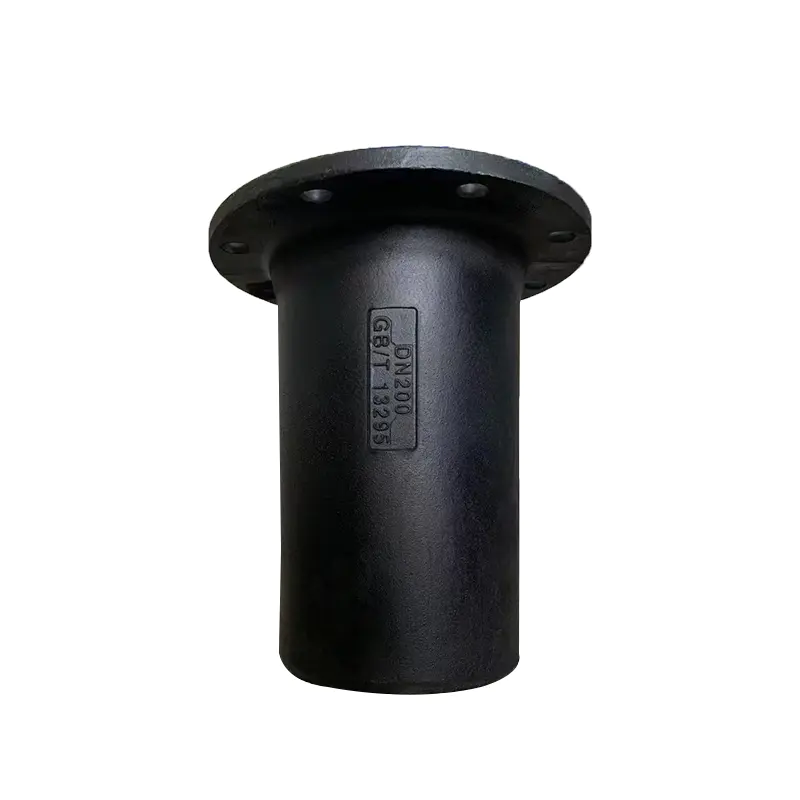 Ductile Iron Pipe Fittings for Water SystemsPairing valves with ductile iron pipe fittings keeps flange dimensions, pressure response, and coatings consistent across water treatment, distribution, and fire protection installations, simplifying spare-part planning and specification documentation for operators.View Product →
A Procurement Checklist for Cast Valve Components
Most casting disputes come from specifications that were never written down. Fixing six points in the drawing and the purchase order prevents the majority of them:
- Name the exact grade and standard on the drawing — for example ASTM A536 65-45-12 or EN-GJS-400-15 — rather than writing just ductile iron, so the melt chemistry is contractually defined.
- Ask for spectrochemical analysis plus microstructure reports covering nodularity percentage and ferrite/pearlite ratio for every heat, because under-treated iron can pass a tensile test yet behave closer to grey iron under impact.
- State machining tolerances and seal-face finish separately from as-cast tolerances; sand castings typically hold the ISO 8062 CT10–CT12 band as cast, while critical faces are machined to drawing.
- Agree on proof and leak testing. Hydrostatic shell testing at 1.5 times rated pressure is the accepted benchmark for finished valves, and machined castings should be checked for porosity before shipment.
- Define the coating system, the minimum dry-film thickness, and holiday-test acceptance, especially for buried or submerged service.
- For ODM and OEM parts, settle drawing review, first-article inspection, and heat-to-part traceability before series production is released.
Sourcing From a Foundry That Pours Both Materials
The ductile-versus-grey decision is a design decision, and it works best with a foundry that pours both materials under one roof. Yancheng Longwan Machinery Co., Ltd. has produced iron castings since 2006, supplies valve accessories in ductile and grey iron as separate product lines, offers ductile iron pipe fittings, and accepts ODM and OEM work from customer drawings — useful when a valve maker wants one supplier to hold tolerances across several component families.
The practical takeaway: specify ductile iron wherever pressure, impact, or thermal shock is part of daily duty; keep grey iron where damping, dimensional stability, and cost dominate; and put grades, tests, and coatings in writing before the pattern shop starts. Those steps prevent most of the field failures that give cast iron valves an undeserved reputation.