

 English
 русский
 Deutsch
Content
In the realm of industrial systems, the importance of Valve & Valve Body Mechanical Parts cannot be overstated. These components play a critical role in the regulation and control of fluid flow, pressure, temperature, and other essential factors that influence the performance of industrial processes. From manufacturing plants to energy production facilities, valves are fundamental to ensuring system reliability, safety, and efficiency.
Understanding Valve & Valve Body Mechanical Parts
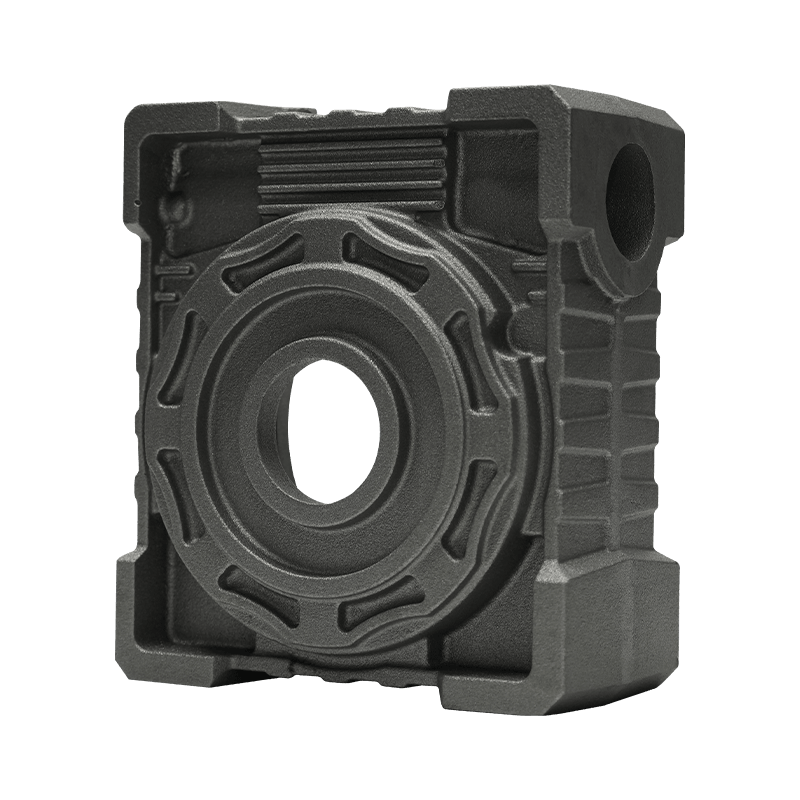
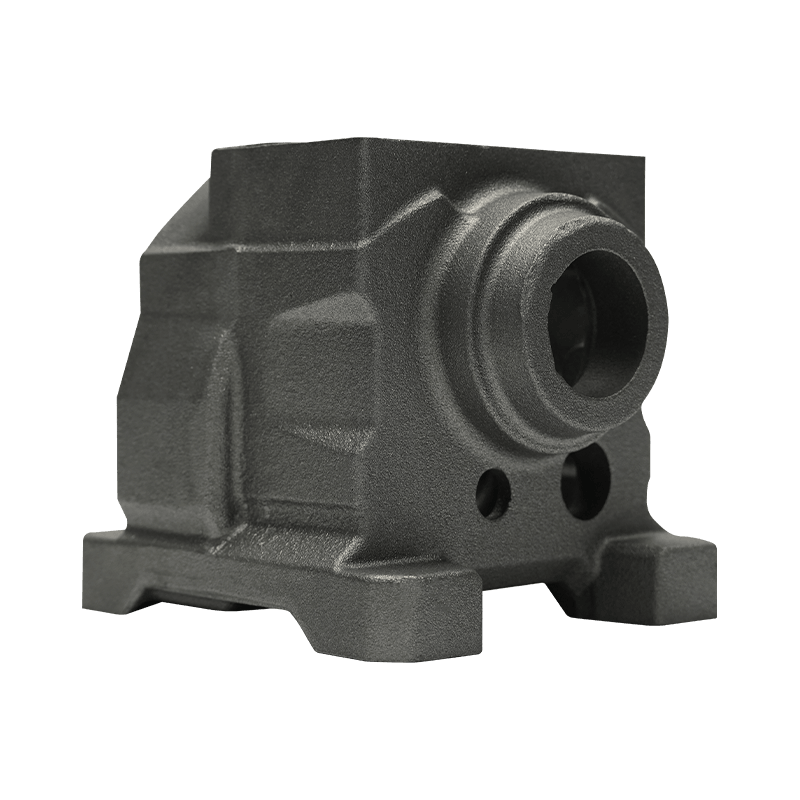
A valve is a mechanical device used to control the flow of fluids or gases within a system. The valve body is the housing or structure that contains the internal components of the valve, such as the disc, seat, stem, and actuator. Together, the valve and its body form an integrated system that enables precise control of fluid movement, pressure regulation, and directional flow.
Key Components of Valve Bodies
- Valve Body: The primary structure that houses all internal components, it is typically made of materials like stainless steel, brass, or cast iron, depending on the application.
- Actuator: The mechanism that controls the opening and closing of the valve. This can be manual, pneumatic, hydraulic, or electric.
- Valve Seat: The surface that provides a sealing point for the valve to close against and prevent leakage.
- Disc or Plug: The element that moves to obstruct or allow the flow of fluid.
- Stem: A rod that connects the actuator to the valve disc, enabling movement.
- Bonnet: The top portion of the valve body, which holds the stem and provides access for maintenance.
Each of these components plays a crucial role in the valve’s ability to perform its function within an industrial system. The quality and precision of these parts directly impact the efficiency, safety, and longevity of the entire system.
The Role of Valves in Industrial Systems
Valves are used across a wide range of industrial applications, from regulating flow in water treatment plants to controlling gas pressure in the oil and gas industry. The following are the primary roles that valves play in industrial systems:
Flow Control and Regulation
One of the most basic and important functions of valves is controlling the flow of fluids within a pipeline or system. By adjusting the valve’s position, operators can control how much of a particular substance flows through the system, whether it’s a liquid, gas, or slurry. This is essential in maintaining the correct flow rates for various processes, such as chemical mixing, heating, and cooling.
For example, in chemical plants, valves regulate the flow of reactants through pipelines to ensure that the correct proportions are maintained for efficient production. In the oil and gas industry, valves control the flow of crude oil and natural gas, preventing overpressure and ensuring safety.
Pressure Regulation
Many industrial systems operate under specific pressure conditions, and valves are integral to maintaining those conditions. Pressure relief valves and pressure reducing valves are designed to prevent excessive pressure buildup within a system, which could lead to equipment failure or dangerous situations.
For instance, in steam boilers or HVAC systems, pressure control valves ensure that the pressure stays within a safe and operational range. By precisely regulating pressure, valves help to maintain the system’s efficiency while preventing safety hazards like explosions or leaks.
Shutoff and Isolation
Valves are also used to shut off or isolate sections of a system for maintenance, repairs, or emergency situations. Ball valves, gate valves, and globe valves are often used for this purpose. When a section of piping or equipment needs to be serviced, the valve can be closed to isolate the flow, ensuring that no fluid or gas moves through the system during downtime.
For example, in a chemical processing plant, an isolation valve can stop the flow of hazardous chemicals to prevent leaks or spills while maintenance is being performed.
Flow Direction Control
In certain applications, it is essential to control the direction of fluid or gas flow within a system. Check valves and control valves are designed to ensure that fluids move in a specified direction, preventing reverse flow that could cause damage or contamination.
For example, in pumping systems, check valves prevent backflow, ensuring that fluid moves in only one direction. Similarly, in heat exchangers, controlling the direction of fluid flow helps to optimize heat transfer and prevent system inefficiencies.
Temperature and Heat Control
In industrial applications that involve heating or cooling systems, valves are essential for regulating temperature. Thermostatic valves and temperature-regulating valves control the flow of hot or cold fluids through the system, ensuring that temperatures remain within the desired range.
For example, in a dairy plant, valves regulate the flow of steam or hot water used for pasteurization. In cooling systems, valves help maintain the temperature of critical components by adjusting the flow of refrigerants or cooling water.
Applications of Valve & Valve Body Mechanical Parts in Industries
Valve and valve body mechanical parts are integral to numerous industrial systems, and they find applications in several key industries:
Oil and Gas Industry
In the oil and gas industry, valves and valve bodies are crucial for regulating the flow of oil, gas, and other liquids through pipelines, storage tanks, and processing facilities. The pressure regulation, flow control, and safety functions of valves are essential for ensuring the safe and efficient transport and processing of hydrocarbons.
Chemical and Petrochemical Plants
Chemical plants use valves to control the flow of raw materials, regulate temperatures, and manage pressure within reactors and pipelines. Valves made from corrosion-resistant materials like stainless steel or alloy steels are particularly important in handling aggressive chemicals and gases safely.
Water Treatment and Wastewater Systems
Valves are essential in managing water flow, pressure, and distribution in water treatment facilities and wastewater systems. They are used in filtration, chemical dosing, and flow regulation to ensure that water is treated to the required standards before being released into the environment or distributed for use.
Power Generation
In power plants, valves control the flow of steam, gas, and water, which are essential for turbine operation and energy production. Pressure and temperature control valves ensure that systems like boilers, condensers, and turbines operate within optimal conditions, maximizing energy production while minimizing the risk of accidents.
Food and Beverage Industry
In food processing plants, hygiene and safety are paramount. Food-grade valves are used to ensure that liquids, gases, and solid products are moved through the system without contamination. They are also essential for controlling the flow of ingredients, water, and steam during production processes.
Selecting the Right Valve and Valve Body Mechanical Parts
Choosing the right valve and valve body mechanical parts is critical to ensuring system performance, safety, and longevity. Several factors need to be considered during the selection process:
Material Compatibility
The materials used in the valve body and internal components must be compatible with the fluids or gases being transported. For example, stainless steel or alloy materials may be required for handling corrosive substances, while food-grade materials are necessary for food and beverage applications.
Pressure and Temperature Ratings
Each valve type has specific pressure and temperature ratings, and selecting a valve that can handle the pressure conditions of your system is essential. It’s important to ensure that the valve body is rated for both the maximum and minimum pressure and temperature ranges that the system will experience.
Flow Requirements
Valves come in various sizes and flow capacities. The size of the valve and its body should match the flow requirements of the system to ensure efficient operation. Incorrectly sized valves can result in poor performance, leaks, or excessive wear.
Seal Integrity and Leak Prevention
Seals are crucial in ensuring that valves function without leakage. Materials like PTFE or elastomers are often used in valve seals to prevent leaks and maintain pressure integrity. Choosing a valve with reliable sealing components is essential to avoid contamination and maintain system efficiency.
Ease of Maintenance
Valves should be easy to maintain, service, and replace. Features like removable bonnet covers, simple actuator mechanisms, and easily accessible components can reduce downtime during repairs.