

 English
 русский
 Deutsch
Content
In the industrial sector, machinery plays a pivotal role in maintaining productivity and ensuring operational efficiency. However, machines experience wear and tear over time, requiring regular maintenance to keep them functioning optimally. This is where cast iron machinery parts come into play. Known for their durability, strength, and cost-effectiveness, cast iron parts are often the preferred choice for many industrial machines.
These components help reduce the need for frequent repairs and replacements, providing long-term savings in both maintenance costs and downtime.
What Are Cast Iron Machinery Parts?
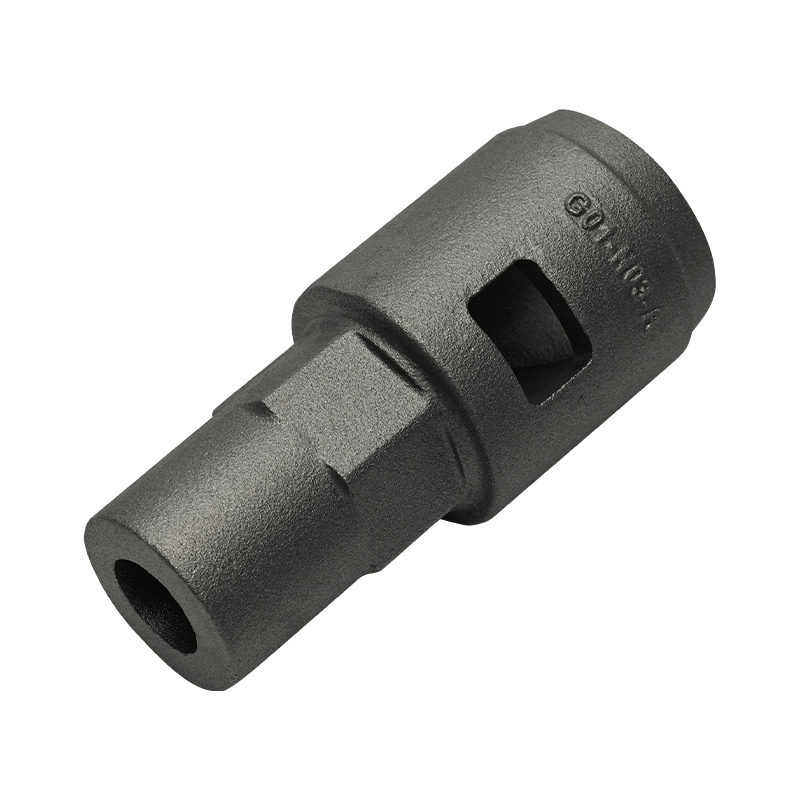
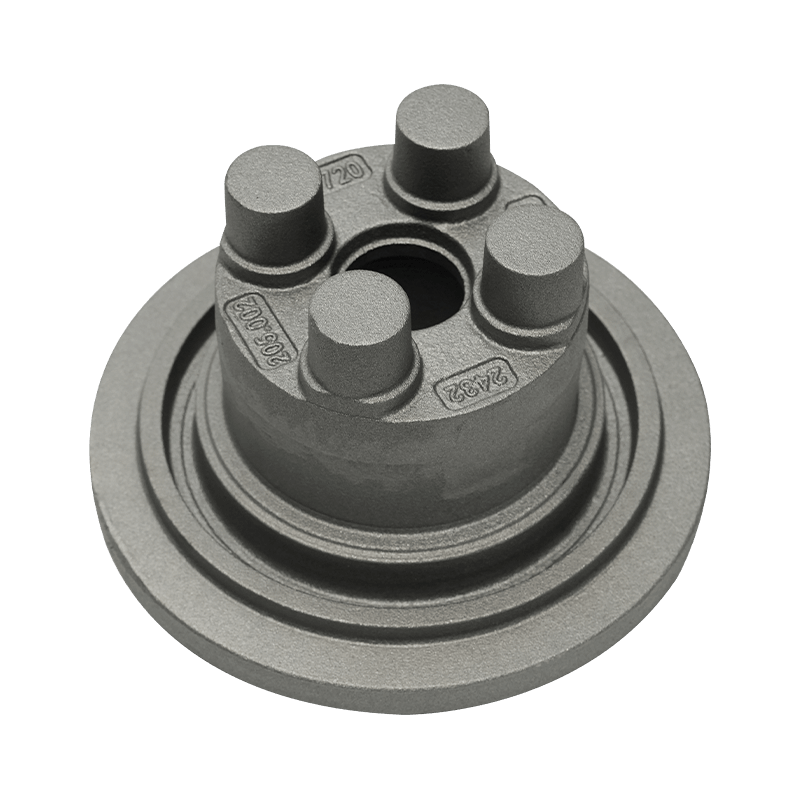
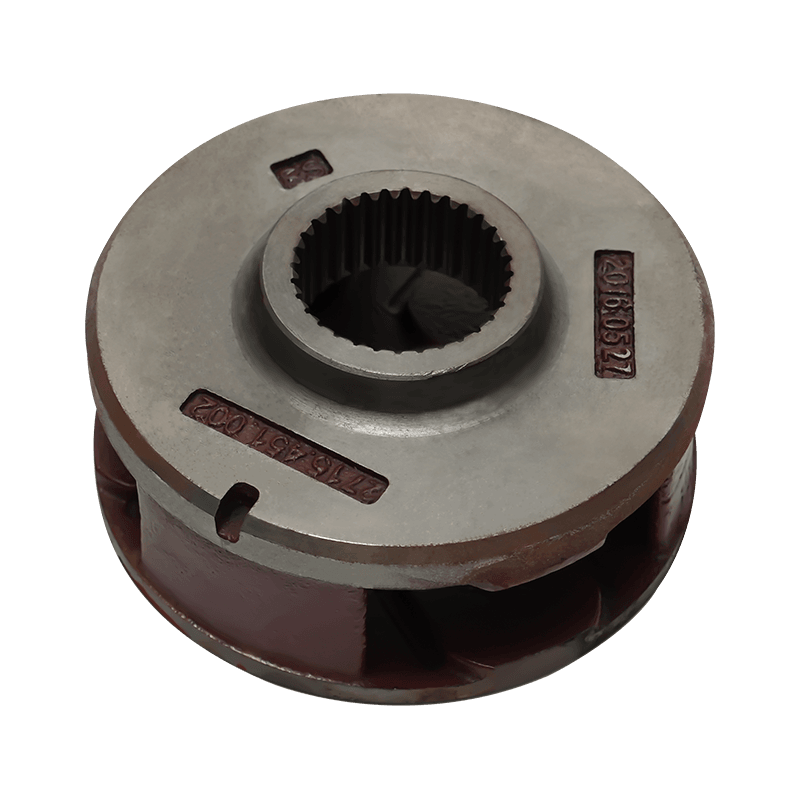
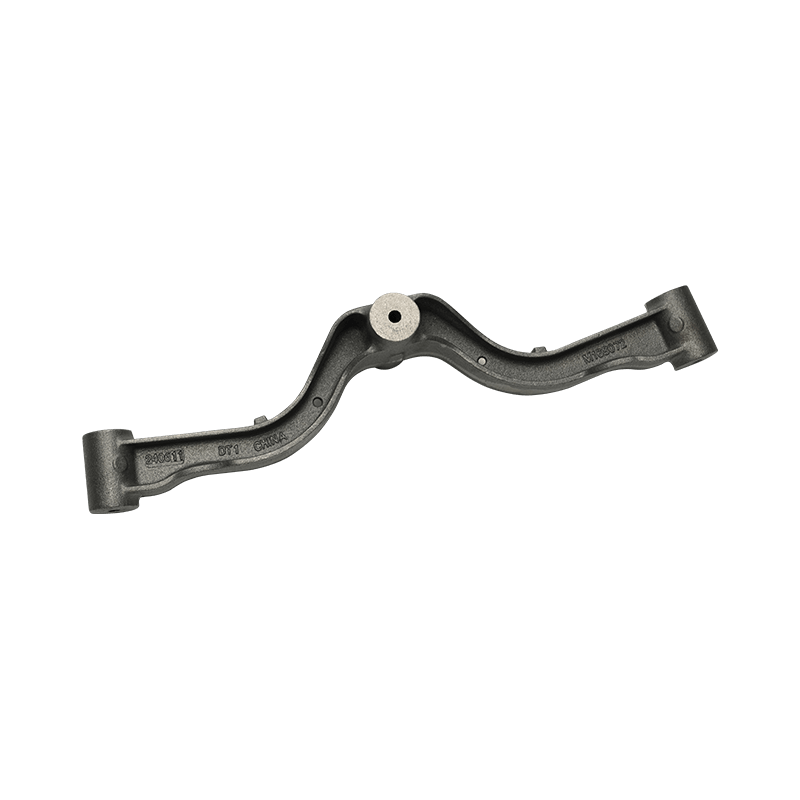
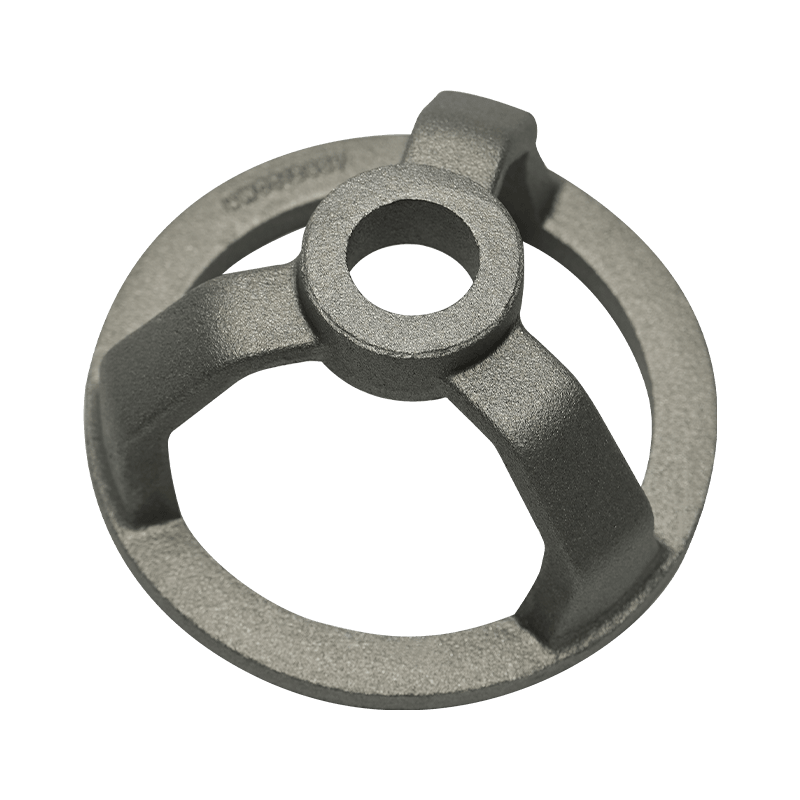
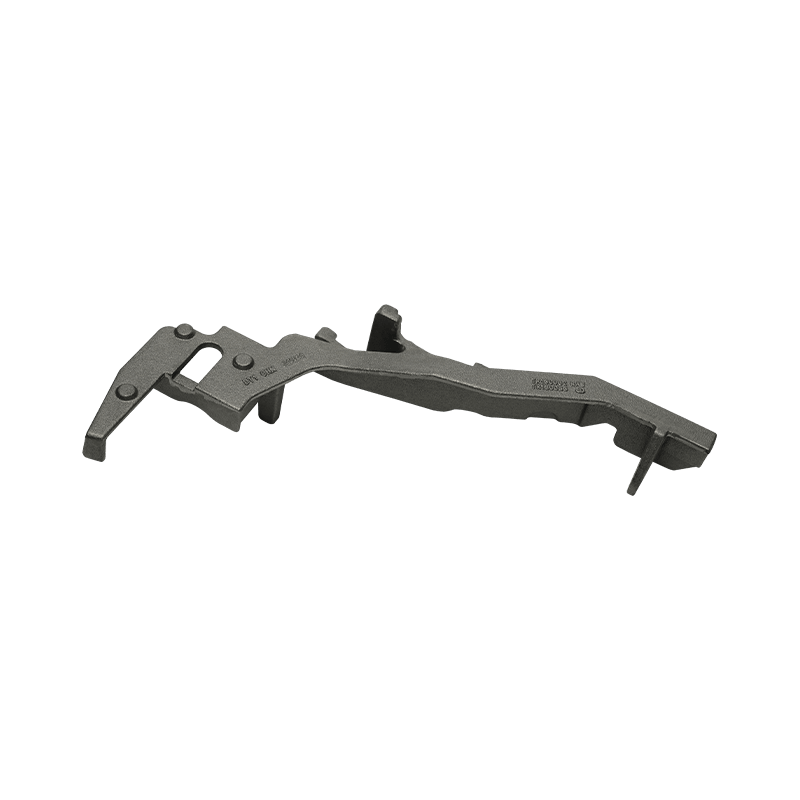
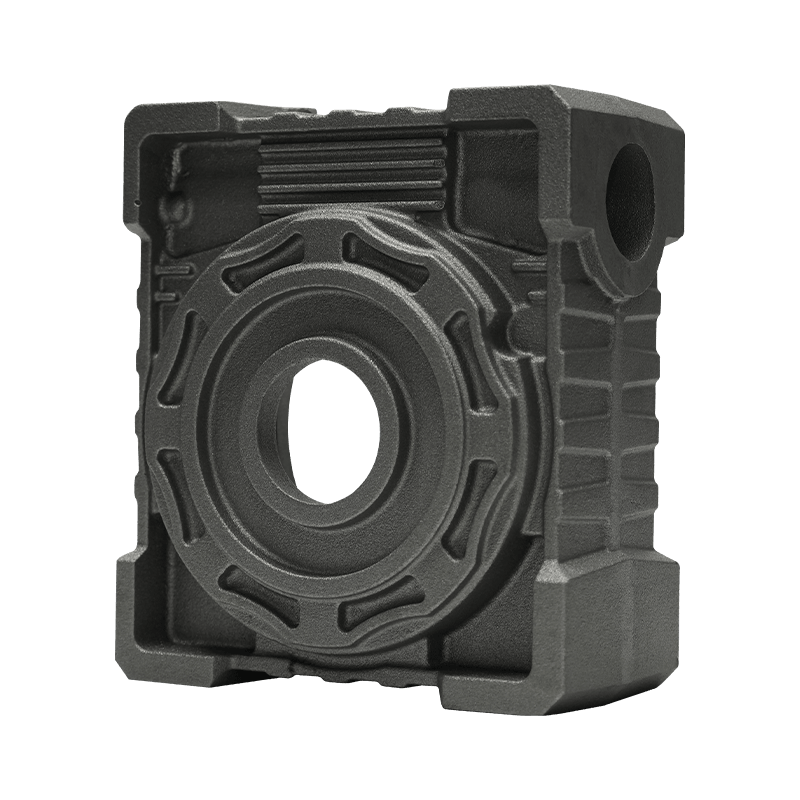
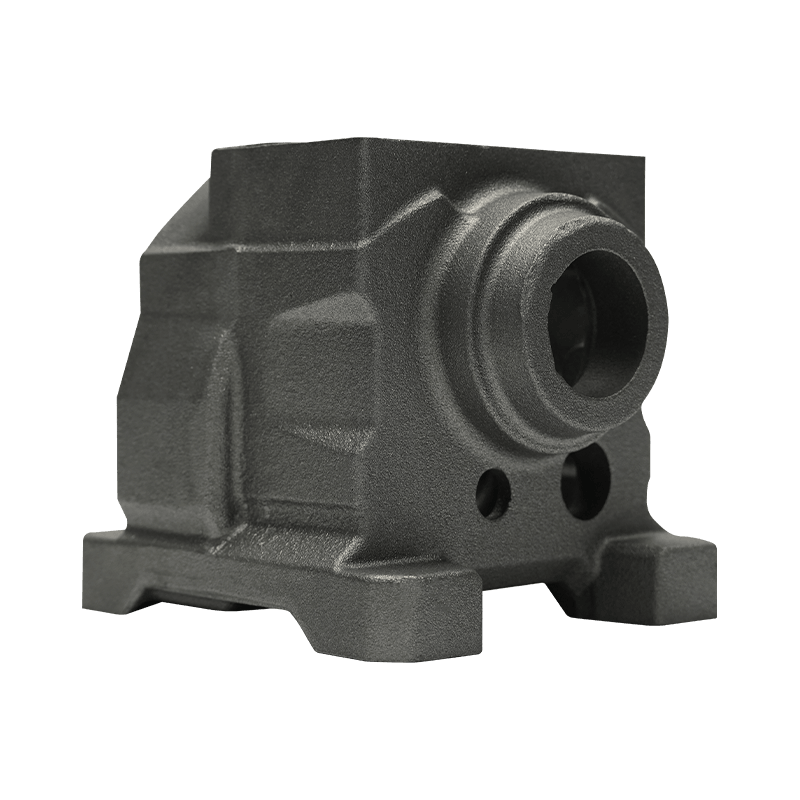
Cast iron is a versatile and durable material used in the production of various machine components. It is made by melting iron and adding a small amount of carbon, which allows it to be cast into specific shapes. Cast iron is characterized by its ability to withstand high levels of stress and heat, as well as its relative ease of manufacturing. Due to these properties, cast iron is used in the production of critical machinery parts, such as engine blocks, gears, housings, bearings, and more.
Cast iron machinery parts are typically found in industries such as automotive, construction, manufacturing, and heavy machinery. These components are often used in machines that operate under harsh conditions, requiring parts that can endure wear, pressure, and exposure to extreme temperatures.
Advantages of Cast Iron Machinery Parts in Maintenance
Several inherent properties make cast iron an excellent choice for machinery parts, especially in terms of maintenance efficiency. Let's take a closer look at the key benefits that contribute to cost-effective maintenance.
Exceptional Durability and Longevity
One of the most significant advantages of cast iron machinery parts is their durability. Cast iron is highly resistant to abrasion, corrosion, and wear, making it ideal for components that are exposed to constant stress and friction. This inherent strength helps minimize the frequency of repairs or replacements, which can be a significant cost burden in industrial operations.
For example, cast iron engine blocks and cylinders in industrial machines are designed to last for many years without the need for frequent servicing. The durability of these parts helps extend the overall lifespan of the machinery, reducing the need for costly downtime and maintenance labor.
Reduced Wear and Tear on Other Components
Cast iron’s hardness and strength not only make it durable, but they also help protect other parts of the machinery from excessive wear. For example, in the case of gears and bearings, cast iron parts can withstand heavy loads without causing additional strain on surrounding components. This helps maintain the integrity of the entire machine, preventing costly breakdowns and reducing the need for repairs on multiple parts.
By using cast iron machinery parts in key areas that bear high stress, manufacturers and operators can achieve a more balanced wear pattern across all parts, resulting in longer intervals between maintenance cycles.
Superior Heat Resistance
Many industrial machines generate significant heat during operation. Cast iron is known for its excellent heat resistance, making it an ideal material for parts in machines that operate at high temperatures. Whether in furnaces, boilers, or engines, cast iron can handle thermal stress without cracking or warping. This ability to withstand high temperatures reduces the risk of overheating, which could otherwise lead to premature failure of machinery.
Machines that are prone to overheating, such as those in the metalworking or manufacturing industries, benefit greatly from the use of cast iron parts. The material's thermal stability ensures that critical components continue to operate smoothly without the need for frequent repairs or replacements due to heat-induced damage.
Cost-Effective Manufacturing Process
Another reason cast iron machinery parts contribute to cost-effective maintenance is the affordable manufacturing process. Unlike other materials such as high-grade steel or alloys, cast iron can be produced at a relatively low cost. The manufacturing process for cast iron involves melting and pouring the material into molds, a process that can be highly efficient and cost-effective for mass production.
The lower upfront cost of cast iron parts means that businesses can benefit from affordable machinery components without compromising on quality or durability. Over time, the reduced maintenance needs of cast iron parts translate into even greater savings, making them a cost-effective choice for long-term operations.
Resistance to Corrosion and Environmental Factors
In addition to its heat resistance, cast iron is also resistant to corrosion from chemicals and environmental factors such as moisture and air. This corrosion resistance is a key advantage in industries where machinery is exposed to harsh environmental conditions, such as outdoor construction sites, mining operations, and maritime industries.
For instance, pump housings, valves, and other machinery parts used in wet or corrosive environments benefit from the use of cast iron, as it can resist rust and decay. The resistance to corrosion helps reduce the need for frequent replacement of parts due to environmental damage, lowering overall maintenance costs.
Vibration Dampening Properties
Another important characteristic of cast iron is its ability to dampen vibrations. In industrial machinery, excessive vibration can lead to premature wear, fatigue, and failure of critical components. Cast iron’s dense, rigid structure helps absorb and reduce vibrations, which is especially beneficial for machines with high-speed moving parts.
By reducing vibrations, cast iron helps protect other components of the machinery from damage, leading to lower maintenance costs and longer operational life for the equipment.
Applications of Cast Iron Machinery Parts in Various Industries
Cast iron machinery parts are widely used across many industries, each benefiting from their strength, durability, and cost-effectiveness. Here are some common applications:
Automotive Industry
In the automotive sector, cast iron is often used for engine blocks, cylinder heads, and exhaust manifolds. These parts must endure high temperatures, pressure, and friction, making cast iron the ideal material due to its ability to withstand such harsh conditions over long periods.
By incorporating cast iron into engine components, manufacturers can reduce the frequency of engine repairs, minimize overheating, and improve the overall performance and lifespan of vehicles.
Construction and Heavy Equipment
Cast iron is commonly used in construction machinery, such as bulldozers, cranes, and excavators. These machines are subject to heavy wear and tear in tough working conditions, making durability a key factor. Cast iron parts such as gearboxes, bearings, and housings help ensure that equipment remains operational for longer periods, reducing maintenance downtime.
Manufacturing and Metalworking
In manufacturing facilities, cast iron parts are often found in press machines, lathe machines, and milling machines. The material's strength and heat resistance make it ideal for components that are exposed to high loads, friction, and temperature fluctuations. Cast iron helps reduce the risk of breakdowns and extends the operational life of critical equipment in metalworking and machining.
Mining and Agriculture
In both mining and agricultural machinery, cast iron parts such as pumps, valves, and chassis are used extensively. These machines often operate in challenging environments, with exposure to dirt, moisture, and extreme temperatures. Cast iron’s durability ensures that these parts can handle tough conditions, minimizing the need for repairs or replacements.
Pumps and Hydraulic Systems
Pumps and hydraulic systems often rely on cast iron parts for pump housings, valve bodies, and gear components. The corrosion resistance and heat tolerance of cast iron make it an ideal material for these systems, which need to remain operational without frequent maintenance interruptions.
The Role of Cast Iron Machinery Parts in Preventing Downtime
One of the most significant costs in any industrial operation is downtime. When a machine breaks down, the cost of repairs, labor, and lost productivity can add up quickly. Cast iron machinery parts help prevent downtime by offering increased durability, longevity, and reliability.
By investing in high-quality cast iron components, businesses can minimize the likelihood of equipment failures and keep machinery running smoothly for extended periods. This not only reduces the need for emergency repairs but also ensures that productivity remains high and operating costs stay low.