

 English
 русский
 Deutsch
Content
In modern manufacturing, the choice of material for industrial components plays a crucial role in determining their performance, durability, and long-term reliability. Among the wide variety of materials available, ductile cast iron has emerged as one of the most widely used materials for creating industrial parts, especially those exposed to high stress, wear, and corrosion. Also known as nodular cast iron, ductile cast iron offers a unique combination of strength, flexibility, and toughness that makes it ideal for heavy-duty applications in various industries, including automotive, construction, machinery, and infrastructure.
What is Ductile Cast Iron?
Ductile cast iron, or nodular cast iron, is a type of cast iron that is distinguished by the presence of graphite nodules in its microstructure. These graphite nodules form during the casting process, and their unique shape and distribution give the material enhanced mechanical properties, such as greater strength, toughness, and ductility, compared to traditional cast iron. This makes ductile cast iron more resistant to cracking, breaking, or chipping under stress.
The addition of magnesium during the casting process is what transforms ordinary cast iron into ductile cast iron, causing the graphite to form nodules rather than flakes. The resulting structure of the material allows for improved load-bearing capacity, resistance to impact, and greater resistance to thermal fatigue. As a result, ductile cast iron is widely used in industrial applications where reliability and durability are paramount.
Key Benefits of Ductile Cast Iron for Industrial Parts
The use of ductile cast iron in the manufacturing of industrial parts offers a wide range of benefits that contribute to the overall performance and longevity of the components. These benefits include superior strength, increased resistance to wear and tear, better corrosion resistance, and enhanced cost-effectiveness.
Enhanced Strength and Toughness
Ductile cast iron is often chosen for applications where high strength and toughness are required. Unlike traditional gray cast iron, which is brittle and prone to cracking under stress, ductile cast iron’s nodular graphite structure imparts a significant degree of flexibility. This means that parts made from ductile cast iron can withstand higher stress and shock without failing.
The material’s tensile strength, which refers to its ability to resist stretching and breaking under load, is far superior to that of gray cast iron. Ductile cast iron is also able to absorb more energy when subjected to impact or shock loads, making it ideal for high-stress environments like machinery components, brake rotors, gears, and automotive engine blocks. This unique combination of strength and toughness enhances the durability and reliability of the parts.
Superior Wear Resistance
Industrial parts that are subject to friction or abrasion must be durable enough to maintain their integrity over time. Ductile cast iron’s wear resistance is one of its most valuable attributes, making it an excellent material choice for parts such as pistons, cylinder heads, valves, and industrial rollers.
The nodular graphite structure in ductile cast iron not only enhances strength but also acts as a lubricant within the material, reducing friction between moving parts. This property is especially useful in machinery and automotive applications, where parts are subject to continuous wear and tear. By choosing ductile cast iron for critical components, manufacturers can ensure that the parts perform for longer periods without premature failure or degradation.
Improved Fatigue Resistance
One of the major challenges in industrial manufacturing is the repeated application of mechanical forces on components, which can lead to fatigue failure. Fatigue occurs when a material is repeatedly loaded and unloaded, causing microscopic cracks to form and eventually lead to a catastrophic failure. Ductile cast iron’s unique microstructure helps improve its fatigue resistance, making it suitable for high-cycle applications.
The nodular graphite structure absorbs stress and prevents the propagation of cracks that can lead to failure under repetitive loads. As a result, ductile cast iron parts are more durable in machinery, vehicles, and heavy equipment, where they experience cyclic stresses that can otherwise lead to premature part failure.
Resistance to Corrosion and Environmental Stress
In industries such as water treatment, chemical processing, and mining, components are often exposed to corrosive environments, whether from chemicals, moisture, or extreme temperatures. Ductile cast iron is more resistant to corrosion than traditional cast iron, thanks to its improved structural properties.
The material’s resistance to corrosion makes it ideal for use in piping systems, valves, and other components that come into contact with harsh substances or environments. Furthermore, ductile cast iron is heat-resistant, which makes it suitable for use in high-temperature environments, such as industrial furnaces or engine components, without degrading or losing its strength.
Cost-Effectiveness and Availability
Ductile cast iron is relatively affordable compared to other high-strength materials like steel or titanium. The cost-effectiveness of ductile cast iron makes it an attractive option for manufacturers looking to balance performance and budget constraints. Additionally, the material is readily available and can be produced in various grades to meet specific requirements, making it a versatile and practical choice for a wide range of industrial applications.
The manufacturing process for ductile cast iron also offers flexibility in terms of casting large and complex shapes, which helps reduce material waste and machining costs. This capability allows for the production of high-performance parts without the need for costly secondary processes, further enhancing the material’s cost-effectiveness.
Applications of Ductile Cast Iron in Industrial Parts
The versatility and exceptional properties of ductile cast iron make it suitable for use in a wide variety of industrial applications. Below are some of the key industries and parts where ductile cast iron is frequently used:
Automotive Industry
The automotive industry relies heavily on ductile cast iron for the production of durable and reliable components. Parts like engine blocks, crankshafts, brake rotors, and suspension components are commonly made from ductile cast iron. The material’s strength, toughness, and wear resistance are ideal for automotive applications, where parts are exposed to extreme mechanical forces, heat, and vibrations.
Ductile cast iron’s ability to absorb shocks and resist thermal cycling makes it a perfect choice for automotive applications that require high-performance components.
Heavy Machinery and Construction Equipment
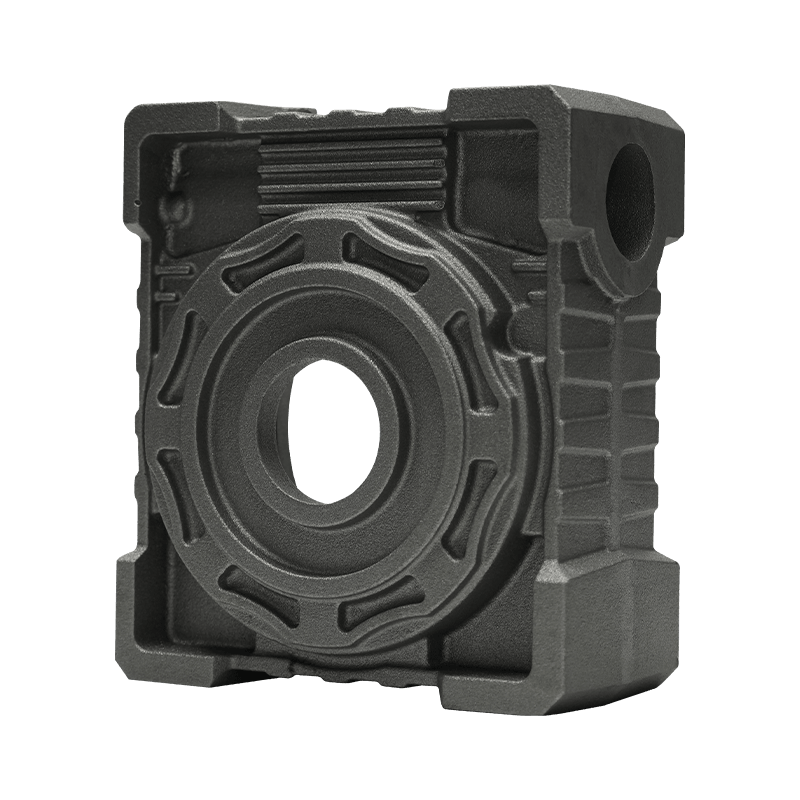
In the construction and mining industries, machinery components must be able to withstand harsh operating conditions. Ductile cast iron is used for gearboxes, cylinder heads, hydraulic systems, and crane components, all of which are subjected to heavy loads and constant stress. The material’s durability and ability to handle high-impact situations make it ideal for these critical parts.
In construction and mining equipment, where downtime can lead to significant financial losses, the strength and longevity of ductile cast iron parts ensure that machines remain operational for longer periods.
Piping Systems and Valves
Ductile cast iron is commonly used for pipe fittings, flanges, and valves in water and wastewater systems, as well as in chemical processing plants. The material’s corrosion resistance ensures that these parts can function effectively even in aggressive environments. The strength and ductility of ductile cast iron also help prevent damage from external forces or pressure changes in the system.
Industrial Pumps and Compressors
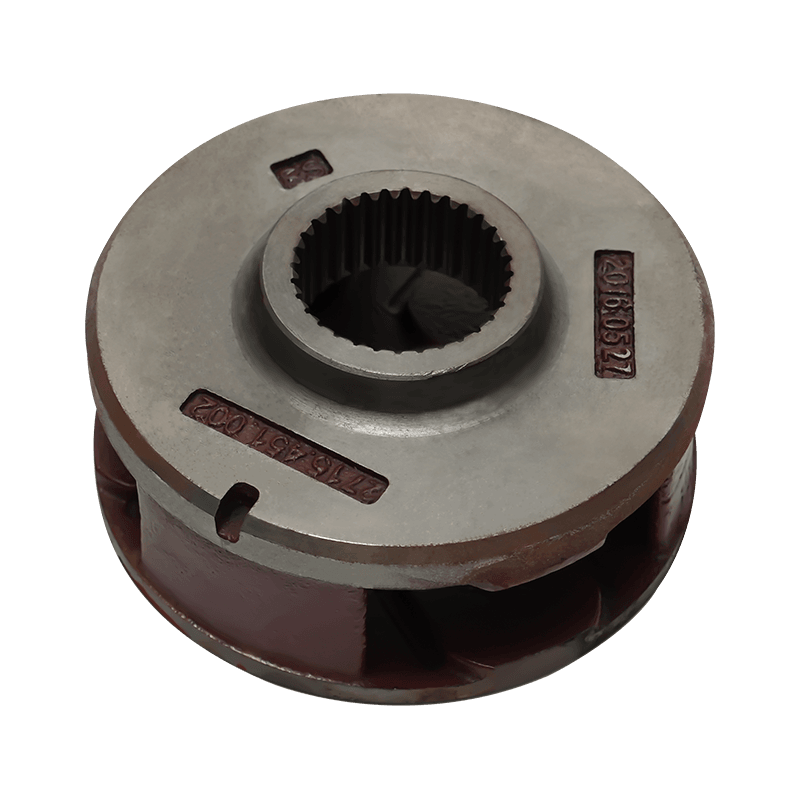
Pumps and compressors used in heavy industries like oil and gas, chemical manufacturing, and power generation rely on ductile cast iron for impellers, pump housings, and compressor components. The material’s strength and resistance to wear and fatigue make it well-suited for these high-stress applications, where parts need to perform reliably over extended periods.
Wind Turbine Components
The renewable energy sector, particularly wind energy, is also benefiting from the use of ductile cast iron in the construction of wind turbine components. Parts like gearboxes, rotor hubs, and structural supports are often made from ductile cast iron due to the material’s ability to withstand heavy loads, fatigue, and environmental stress, all of which are common in wind energy applications.
The Future of Ductile Cast Iron in Industrial Manufacturing
As industries continue to demand more durable, reliable, and cost-effective solutions, ductile cast iron’s role in the manufacturing of industrial parts will only continue to grow. Innovations in casting techniques and material formulations will likely lead to even higher performance grades of ductile cast iron, expanding its applications in even more demanding environments.
The development of more sustainable manufacturing processes, such as recycling scrap iron to produce ductile cast iron, will also contribute to its increasing popularity in the future. As industries look for materials that are both cost-effective and environmentally friendly, ductile cast iron’s ability to be recycled and reused will make it an even more attractive choice.