

 English
 русский
 Deutsch
Content
Grey cast iron has been a cornerstone in the industrial world for centuries. Despite the advancement of new materials and technologies, it remains a popular choice for a wide variety of industrial applications. From heavy machinery to automotive components, grey cast iron continues to play an integral role in manufacturing due to its unique combination of properties, such as strength, durability, ease of casting, and cost-effectiveness.
What is Grey Cast Iron?
Grey cast iron, also known as gray iron, is a type of cast iron characterized by its graphite content, which is responsible for the distinctive grey appearance of the fractured surface. This form of cast iron is composed primarily of iron, carbon (around 2-4%), and silicon, with small amounts of other elements like manganese, sulfur, and phosphorus. The presence of graphite in grey cast iron gives it unique properties, making it suitable for a variety of applications.
The graphite flakes within the iron matrix help to absorb vibrations and provide self-lubricating properties, which are critical for applications where wear resistance and mechanical stability are essential. These properties make grey cast iron particularly useful in industries that require high levels of durability and resistance to heat and stress.
Key Advantages of Grey Cast Iron in Industrial Applications
There are several key reasons why grey cast iron remains the material of choice for many industrial applications. Let's look at some of the most important advantages:
Excellent Castability
One of the primary reasons grey cast iron remains popular is its outstanding castability. Grey cast iron can be easily poured into molds, which allows it to be cast into a wide variety of shapes and sizes, from complex geometries to simple, large components. This versatility makes it ideal for manufacturing a range of parts, from small engine components to large structural elements in buildings and machinery.
Grey cast iron's ability to be molded and shaped without compromising the material's strength or structural integrity makes it highly cost-effective for mass production. This characteristic is particularly beneficial for industries that rely on high-volume production of components, such as the automotive, construction, and machinery industries.
High Wear Resistance
Grey cast iron is known for its excellent wear resistance due to the presence of graphite. The graphite flakes form a network within the iron matrix, which helps to reduce friction between moving parts. This makes grey cast iron ideal for applications where parts undergo repetitive stress or friction, such as engine blocks, pistons, cylinders, and brake rotors.
For example, in the automotive industry, grey cast iron is commonly used in the production of engine blocks because it can withstand the continuous wear and tear associated with high-pressure, high-temperature environments. The ability to resist wear and tear also makes it suitable for components in industrial machinery, such as gears and pumps, ensuring that they can function efficiently for extended periods.
Good Damping Properties
One of the standout characteristics of grey cast iron is its damping capacity. The graphite flakes within the material help absorb and dampen vibrations, making it ideal for applications where vibration control is critical. This property is especially beneficial in machinery components such as machine tool beds, engine blocks, and compressors.
For instance, in machine tools, the ability to reduce vibrations is crucial for maintaining precision and minimizing wear on both the tool and the workpiece. Grey cast iron's natural vibration-damping properties help maintain operational stability and improve the performance and accuracy of manufacturing equipment.
Cost-Effectiveness
Despite the advent of new materials, cost remains a critical consideration for industrial applications. Grey cast iron is relatively inexpensive compared to other metals, such as steel or alloys. The cost-effectiveness of grey cast iron is primarily due to its simple manufacturing process and abundant availability of raw materials. This makes it an affordable option for a variety of industries that require large quantities of material, such as the automotive and construction industries.
In many cases, the cost of manufacturing grey cast iron components is lower than alternative materials, making it a preferred choice for large-scale production where minimizing costs is essential.
Good Thermal Conductivity
Grey cast iron has good thermal conductivity, meaning it can efficiently dissipate heat. This makes it a suitable material for components that operate under high temperatures, such as engine blocks, exhaust manifolds, and industrial furnace components. The material can absorb and transfer heat effectively, helping to prevent overheating and improve the overall efficiency of the system.
In automotive engines, for example, grey cast iron’s ability to conduct heat ensures that engine components stay within optimal temperature ranges, contributing to the overall performance and longevity of the engine. Similarly, in industrial applications, the heat dissipation properties of grey cast iron help maintain safe operating conditions for high-temperature equipment.
High Compressive Strength
Grey cast iron is particularly strong under compression, making it ideal for applications where components are subjected to significant compressive loads. Its compressive strength is one of the reasons why grey cast iron is commonly used in heavy-duty applications like machine bases, frames, and supporting structures.
In industries like construction and heavy machinery, components made from grey cast iron can withstand the weight of large equipment and machinery without cracking or deforming, ensuring structural integrity over long periods of use.
Corrosion Resistance
While not as resistant to corrosion as stainless steel or other alloys, grey cast iron still exhibits a level of corrosion resistance that makes it suitable for use in outdoor or industrial environments. Its ability to withstand mild corrosion is important for parts exposed to air, moisture, or certain chemicals.
Grey cast iron can be coated or treated to improve its corrosion resistance further, making it even more suitable for applications such as piping systems and valves in industrial plants. Its resistance to rust and environmental wear makes it a reliable material for long-term use in various industries.
Recyclability
Another advantage of grey cast iron is its recyclability. As one of the most recycled materials in the world, grey cast iron can be melted down and reused without significant loss of material properties. This is an important factor for industries focused on sustainability and reducing waste. The ability to recycle grey cast iron components ensures that the material remains a cost-effective and environmentally responsible choice.
Common Industrial Applications of Grey Cast Iron
Grey cast iron is used in a wide variety of applications across different industries. Some common uses include:
-
Automotive Industry: Engine blocks, brake rotors, flywheels, and cylinder heads.
-
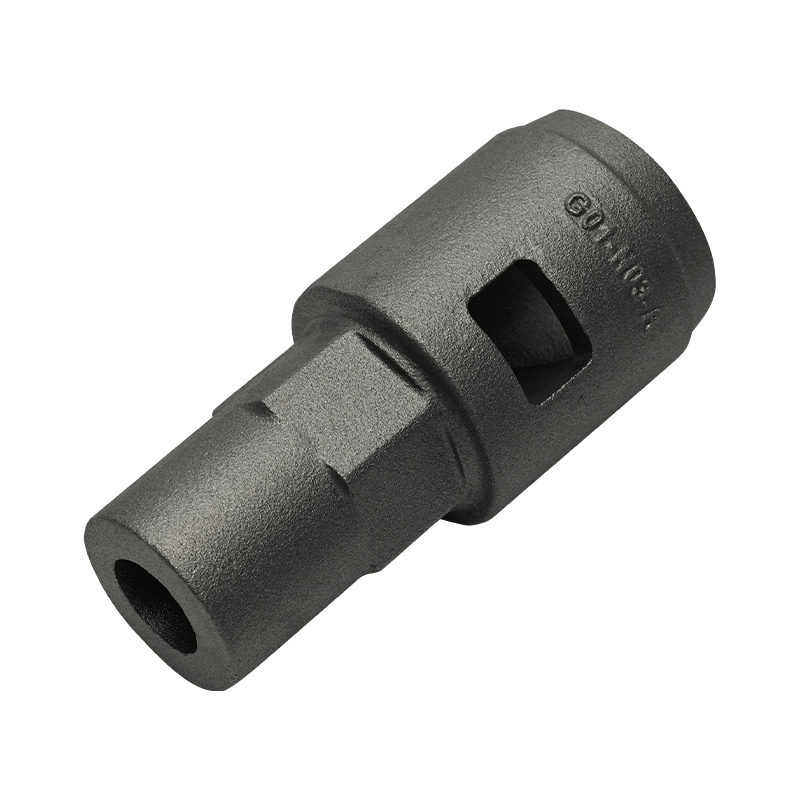
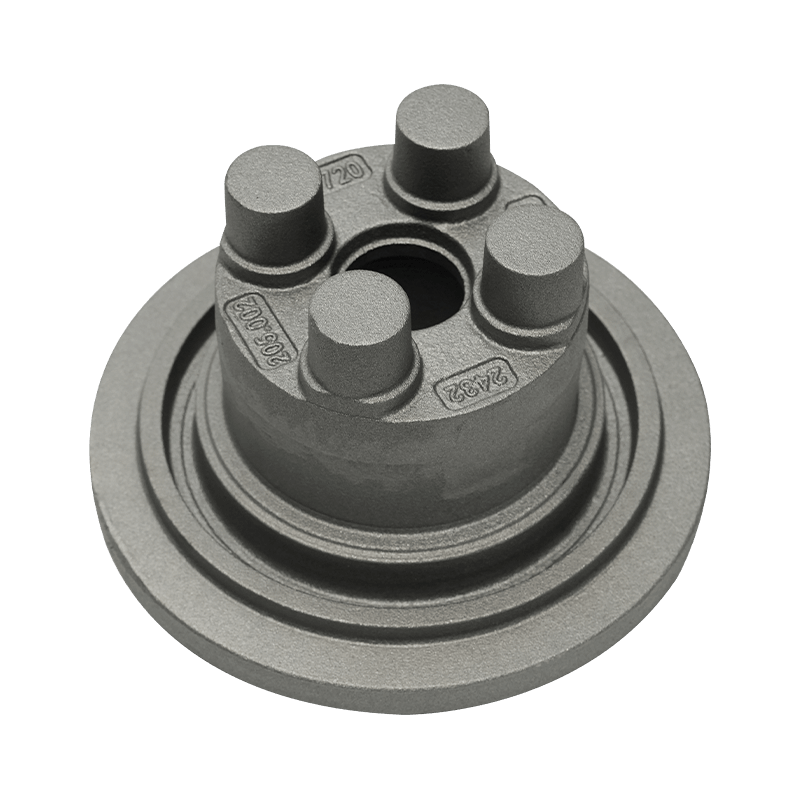
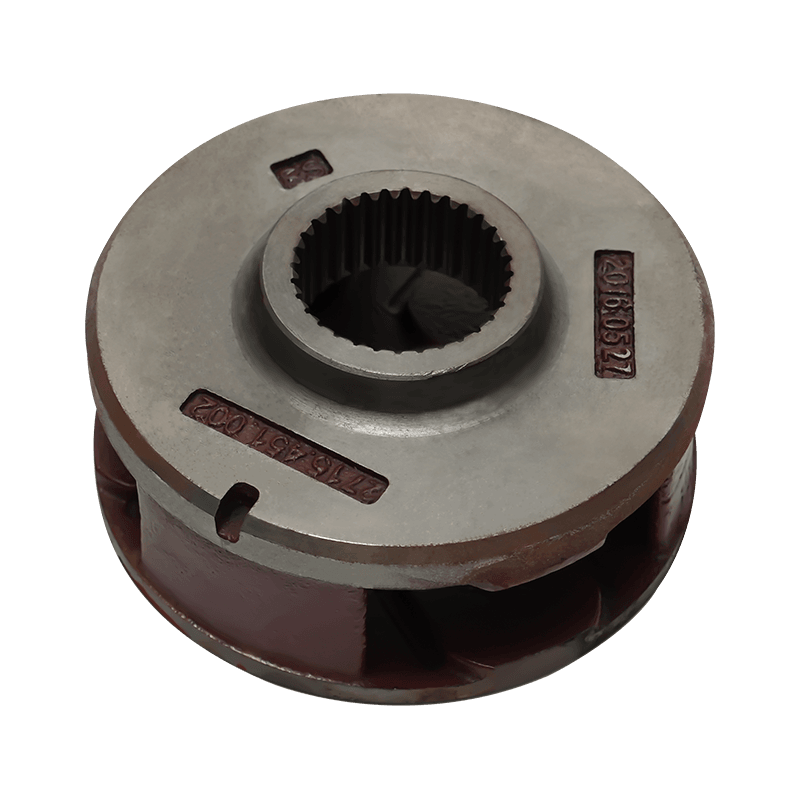
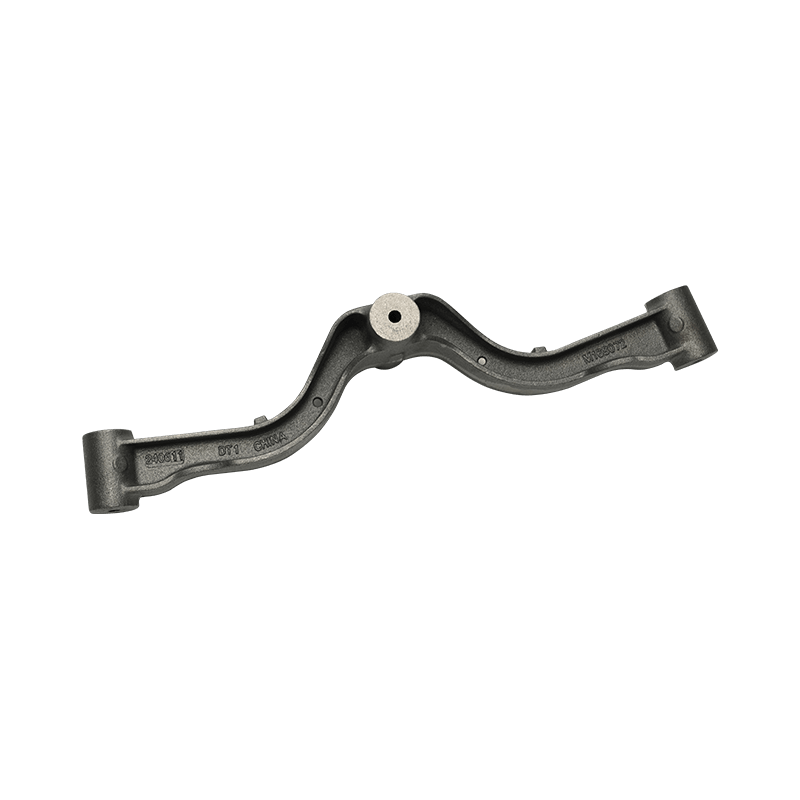
Manufacturing and Machinery: Machine tool bases, lathe beds, and pump housings.
-
Construction: Pipes, manhole covers, and building frames.
-
Heavy Equipment: Frames, counterweights, and various components for cranes and excavators.
-
Power Generation: Heat exchangers, pressure vessels, and turbines.