

 English
 русский
 Deutsch
Content
Water pumps are essential components in a variety of industries, from agriculture and construction to HVAC systems and automotive applications. A well-functioning water pump ensures that water is circulated efficiently, preventing overheating, maintaining pressure, and supporting various processes that require water flow. However, like any mechanical system, water pumps require regular maintenance and high-quality parts to operate at peak performance.
Choosing the right water pump parts is crucial to ensuring the longevity and efficiency of the pump. Whether you’re replacing a worn-out component, upgrading your system, or performing routine maintenance, understanding the factors that affect the performance and lifespan of water pump parts is key.
Material Quality
The materials used in water pump parts directly impact the durability, efficiency, and overall performance of the pump. High-quality materials can withstand the harsh environments and demanding conditions that water pumps often operate under.
- Corrosion Resistance: Water pumps are exposed to moisture, chemicals, and environmental factors that can lead to rust and corrosion. Opting for materials like stainless steel, bronze, or specially treated alloys for parts such as impellers, housings, and shafts helps prevent corrosion and ensures a longer lifespan.
- Wear Resistance: Parts such as seals, bearings, and impellers are subject to constant friction and wear. Choosing materials with excellent wear resistance, like ceramics or carbon composites, can reduce the need for frequent replacements and extend the performance of the pump.
- Temperature Resistance: Water pumps often operate in extreme temperatures, particularly in industrial and automotive applications. Parts made from heat-resistant materials like high-grade silicone, rubber, or engineered plastics will help the pump handle thermal expansion and fluctuating temperatures without deteriorating.
Compatibility with Pump Type and Application
Not all water pumps are the same. There are centrifugal pumps, diaphragm pumps, and gear pumps, among others. When choosing water pump parts, compatibility with the specific type of pump you’re using is vital.
- Pump Design: Make sure the parts you are purchasing are compatible with the pump's design and specifications. For example, a centrifugal pump uses a rotating impeller to move water, so the impeller’s design and material need to match the pump’s required performance. On the other hand, diaphragm pumps require flexible diaphragms that can handle pressure and flow changes effectively.
- Application Requirements: Water pumps in industrial applications may experience higher pressures and temperatures than those used in residential settings. Ensure that the water pump parts you select are designed to meet the demands of your specific application, whether it’s for agricultural irrigation, HVAC systems, or municipal water systems.
Seal and Gasket Integrity
Seals and gaskets play a critical role in preventing water leaks, ensuring the pump operates efficiently, and maintaining pressure within the system. Faulty or worn seals and gaskets can lead to fluid leaks, which can cause performance issues, damage to other components, and energy losses.
- Types of Seals: Mechanical seals and O-rings are commonly used in water pumps to prevent leakage. When selecting seals, ensure they are made of high-quality rubber, silicone, or elastomers that can handle water exposure, pressure, and temperature changes.
- Gasket Material: Gaskets used to seal pump housings, covers, or other components must be durable enough to handle vibration, pressure, and fluid contact without cracking or degrading. Materials like cork, rubber, and graphite are common choices for gaskets in water pumps.
Pump Impellers and Performance
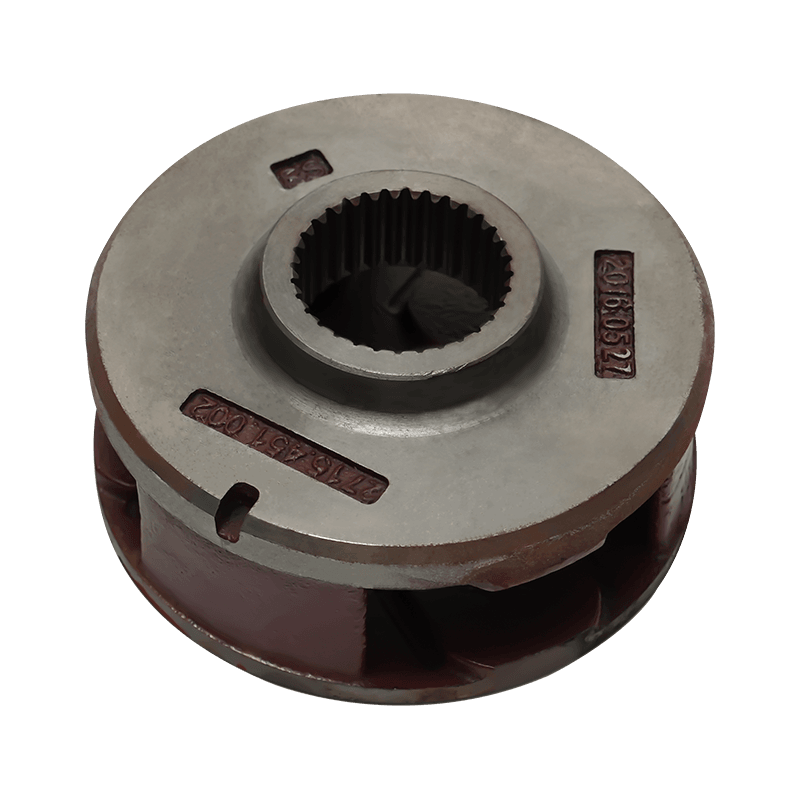
The impeller is one of the most critical parts of any water pump. It’s responsible for moving the water through the system by generating flow and pressure. The design, material, and condition of the impeller directly affect the efficiency and longevity of the pump.
- Impeller Design: The impeller should be selected based on the specific flow rate and pressure requirements of the application. Open, closed, and semi-open impellers each have their advantages, depending on the type of pump and the working environment.
- Material Selection: Impellers are subject to heavy wear and tear due to constant fluid movement. Materials like stainless steel, cast iron, or composite materials are typically used for impellers, as they offer resistance to corrosion, wear, and cavitation (the formation of air bubbles that can damage the impeller).
- Balance and Maintenance: Over time, impellers can become unbalanced due to wear or damage, leading to reduced performance or even catastrophic pump failure. Regular inspection and balancing of the impeller can help maintain smooth operation and prevent undue stress on the pump.
Bearing and Shaft Integrity
The bearings and shaft are integral to the smooth operation of the pump. They support the impeller and ensure that it rotates with minimal friction. Worn or damaged bearings can result in excessive heat generation, noise, and decreased efficiency.
- Bearings: Water pumps typically use ball or roller bearings to support the impeller shaft. Choose bearings that are made of high-quality, corrosion-resistant materials like ceramic or stainless steel for longer-lasting performance, especially in harsh environments.
- Shaft Material: The shaft should be made from durable, rust-resistant materials like stainless steel or carbon steel, which can handle the pressure and rotational forces without bending or degrading. Make sure the shaft fits precisely into the bearing and impeller to reduce friction and prevent premature wear.
Flow and Pressure Requirements
Understanding the flow rate and pressure needs of your water pump is essential when selecting the appropriate parts. Over-sizing or under-sizing components like impellers, seals, and bearings can lead to inefficiency and excessive wear on the pump.
- Flow Rate: Depending on the application, the required flow rate (measured in gallons per minute or liters per second) can vary significantly. Ensure that the impeller, suction, and discharge ports are all sized appropriately to handle the required flow.
- Pressure Rating: The pressure rating of water pump parts must align with the operational pressure of the pump. For instance, if the pump operates at high pressure, parts such as seals, bearings, and hoses should be rated for high-pressure conditions to prevent failure.
Ease of Maintenance and Replacement
To ensure that your water pump parts last as long as possible and continue to perform efficiently, regular maintenance is key. When choosing parts, consider how easy they are to maintain and replace when necessary.
- Serviceability: Some water pump parts, such as impellers and seals, are designed for easy replacement and servicing. Opt for components that can be easily accessed and replaced without extensive disassembly of the pump.
- Availability of Parts: When selecting parts for your water pump, consider how readily available they are. Choosing parts from reputable manufacturers ensures that you can find replacements quickly and avoid costly downtime due to unavailable components.
Energy Efficiency
In industrial applications, water pumps often run continuously or for long periods. Using high-quality parts that minimize friction and energy loss can help reduce operating costs and improve the overall energy efficiency of the system.
- Efficient Seals and Bearings: Parts that reduce friction, such as low-friction bearings and high-quality seals, can help reduce the energy required to operate the pump, contributing to lower electricity bills and extended system life.
- Optimized Performance: When all components of the pump system are well-maintained and working efficiently, the pump can operate with minimal energy loss, improving overall efficiency and reducing operational costs.
Cost and Budget Considerations
While it may be tempting to choose cheaper parts for your water pump, the long-term cost of poor-quality components can far exceed the initial savings. Opting for high-quality, durable parts will save you money in the long run by extending the lifespan of your pump and minimizing the frequency of replacements.
- Long-Term Value: High-quality water pump parts are an investment in the longevity and efficiency of your pump system. While they may have a higher upfront cost, they will reduce downtime, maintenance, and the need for frequent replacements.
- Warranty and Support: Look for water pump parts with warranties or support from the manufacturer. This can help ensure peace of mind and reduce the risk of defects or failure in the future.