

 English
 русский
 Deutsch
Content
- 1 What a Valve Body Does in a Piping System
- 2 Common Valve Types and Their Body Designs
- 3 Materials Used for Valve Bodies
- 4 Pressure Classes and Temperature Ratings
- 5 Manufacturing Methods for Valve Bodies
- 6 Industries That Rely on Valve and Valve Body Parts
- 7 Key Factors When Selecting a Valve and Valve Body
- 8 Maintenance and Inspection Best Practices
- 9 Frequently Asked Questions
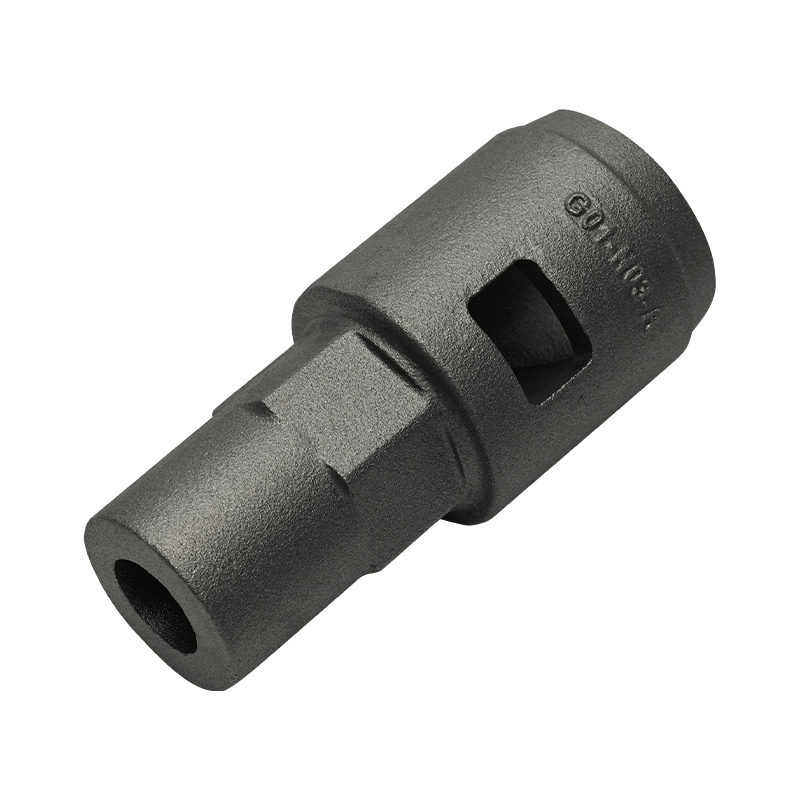
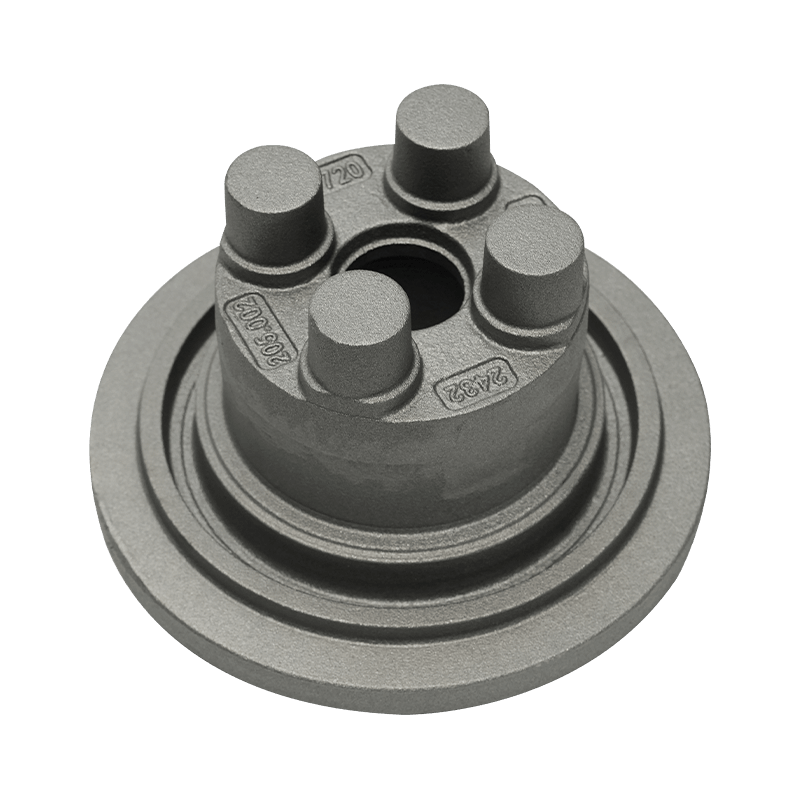
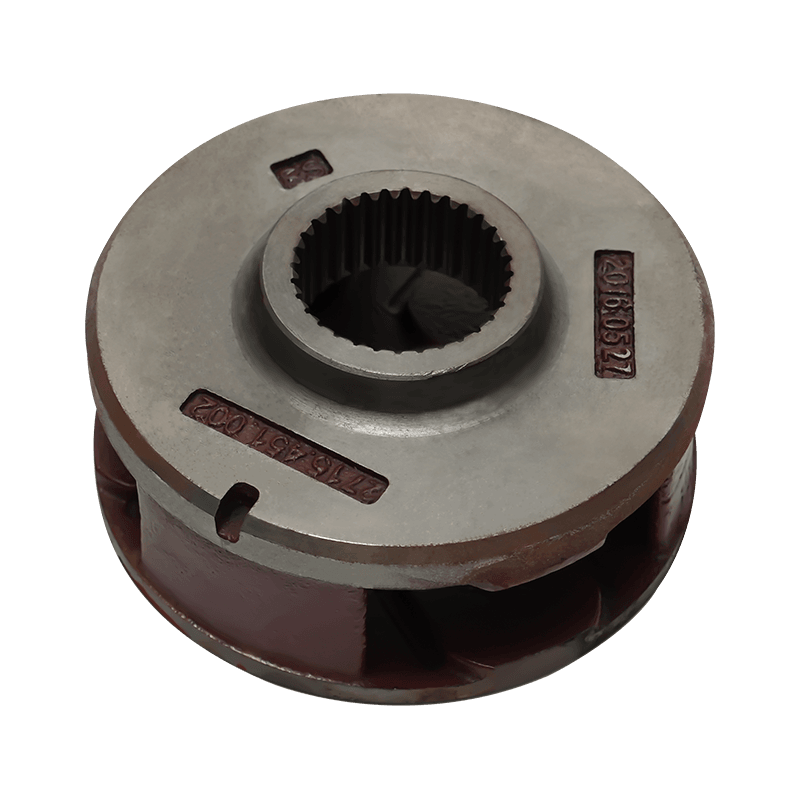
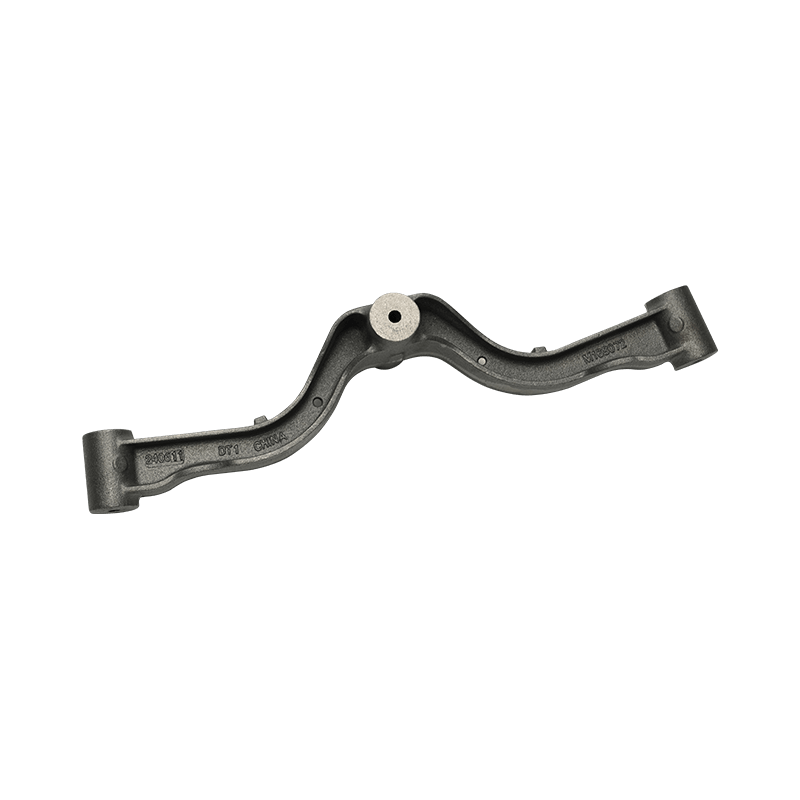
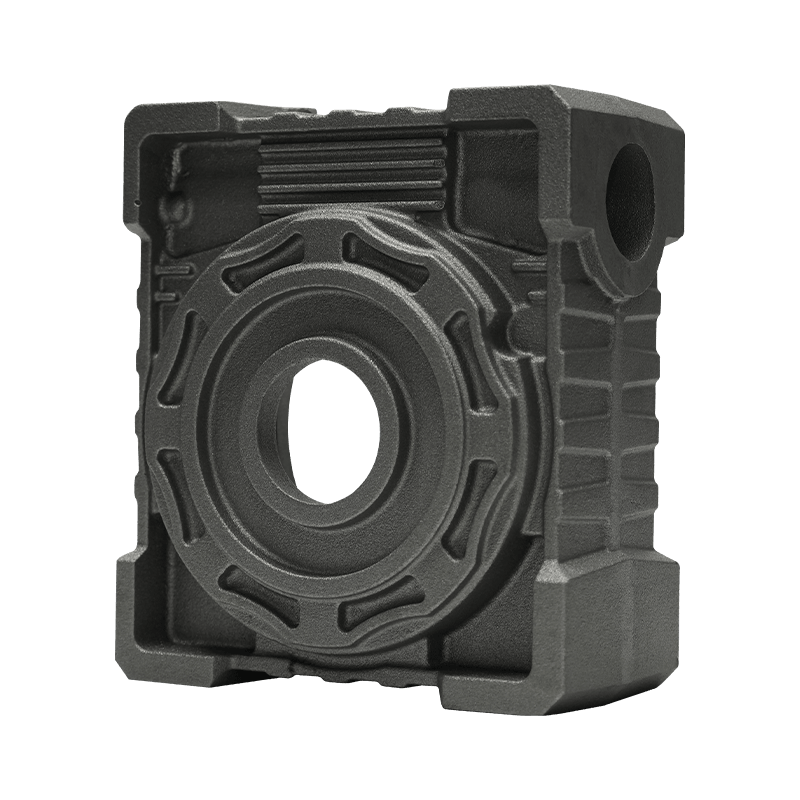
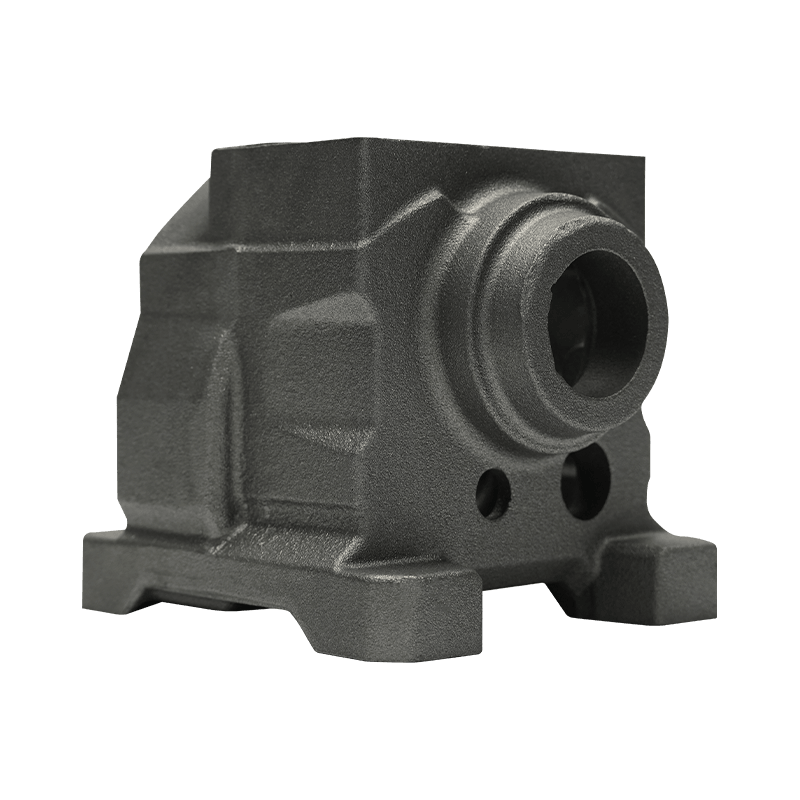
A valve body is the primary pressure-containing mechanical part of a valve, housing the internal components that open, close, or throttle fluid flow within a piping system. As the structural core of any valve, the body must withstand internal pressure, resist corrosion or erosion from the process media, and maintain dimensional accuracy so that internal parts such as discs, balls, or gates seal correctly over thousands of operating cycles. Selecting the right valve and valve body construction directly affects system safety, maintenance frequency, and long-term operating cost.
This article explains what Valve & Valve Body Mechanical Parts are, the main valve types and body materials used across industries, how to read pressure and temperature ratings, and what to check when specifying or purchasing valves for a piping system.
What a Valve Body Does in a Piping System
The valve body is the outer shell that connects to the pipeline via flanged, threaded, or welded end connections, and it contains the flow passage, seat, and internal moving components. Every other valve part — the stem, disc, bonnet, and actuator — is mounted to or sealed against the body, which means the body's dimensional accuracy and material integrity determine the reliability of the entire assembly.
Because the body is the pressure boundary of the system, it must be manufactured to hold the full line pressure and temperature without deformation or leakage. A failure at the body — rather than at a gasket or seal — is typically the most serious type of valve failure, since it can result in an uncontrolled release of the process fluid.
Common Valve Types and Their Body Designs
Different valve types use distinct body geometries suited to their flow control function. Understanding these differences helps in selecting the right valve for a given application.
Gate Valves
Gate valves use a flat or wedge-shaped gate that slides perpendicular to the flow path. Their body design provides a straight-through flow passage with minimal pressure drop when fully open, making them ideal for on/off isolation service rather than flow throttling.
Ball Valves
Ball valves house a rotating spherical disc with a bored passage. A quarter-turn of the stem rotates the ball to open or block flow. Ball valve bodies are typically compact and offer tight shutoff performance, which is why they dominate applications requiring frequent cycling and bubble-tight sealing.
Globe Valves
Globe valve bodies have an S-shaped internal flow path that forces fluid to change direction as it passes the seat. This design creates a higher pressure drop than gate or ball valves, but it gives globe valves superior throttling control, making them the preferred choice for regulating flow rate rather than simple isolation.
Butterfly Valves
Butterfly valves use a thin, rotating disc mounted on a central shaft within a compact, lightweight body. Their reduced size and weight compared to gate or globe valves make them well suited to large-diameter piping where space and cost savings matter, such as HVAC and water treatment systems.
Check Valves
Check valve bodies are designed to allow flow in only one direction, using a disc, ball, or flap that closes automatically when flow reverses. These valves protect pumps and equipment from backflow damage without requiring any external actuation.
Materials Used for Valve Bodies
Valve body material selection depends on the process fluid, operating pressure, temperature, and corrosion potential. The table below compares the most common valve body materials used across industrial and municipal applications.
| Material | Max Pressure Rating | Typical Use Case |
|---|---|---|
| Cast Iron | 150–300 psi | Water, low-pressure HVAC systems |
| Ductile Iron | Up to 350 psi | Municipal water, wastewater |
| Carbon Steel | Up to 2500 psi | Oil, gas, general industrial process |
| Stainless Steel | Up to 2500+ psi | Corrosive media, food, pharmaceutical |
| Bronze/Brass | Up to 600 psi | Plumbing, marine, low-corrosion fluids |
For highly corrosive or high-purity applications, valve bodies may also be lined with PTFE, PVC, or specialty alloys such as Hastelloy or Monel, which resist chemical attack that would otherwise degrade standard metal bodies within a short service period.
Pressure Classes and Temperature Ratings
Valve bodies are rated according to standardized pressure classes, most commonly following ASME B16.34 in North America or PN ratings under European standards. These classes define the maximum allowable working pressure at a given temperature, since a valve body's pressure capacity decreases as operating temperature rises.
- Class 150 — rated to approximately 285 psi at ambient temperature, common in low-pressure water and utility systems
- Class 300 — rated to approximately 740 psi at ambient temperature, used in higher-pressure process piping
- Class 600 and above — used in high-pressure steam, oil, and gas transmission systems
Buyers should always confirm the pressure-temperature rating chart specific to the body material, since the same nominal pressure class can have significantly different actual ratings depending on whether the body is carbon steel, stainless steel, or cast iron.
Manufacturing Methods for Valve Bodies
Valve bodies are produced using several manufacturing processes, each with trade-offs in cost, strength, and suitability for specific pressure classes.
Casting
Most valve bodies are sand-cast or investment-cast, allowing complex internal flow passages to be formed in a single pour. Casting is cost-effective for medium to large production runs and is the standard method for cast iron, ductile iron, and carbon steel bodies.
Forging
Forged valve bodies are produced by shaping heated metal under high compressive force, which aligns the material's grain structure and eliminates the porosity risk associated with casting. Forged bodies offer higher strength and reliability for critical high-pressure and high-temperature service, such as power plant and offshore oil and gas applications, though at a higher production cost.
Industries That Rely on Valve and Valve Body Parts
Valve mechanical parts are essential across nearly every industry that transports or processes fluids and gases. Key sectors include:
- Oil and gas — wellhead control valves, pipeline isolation valves, refinery process valves
- Water and wastewater treatment — gate and butterfly valves for flow control and isolation
- Power generation — high-pressure steam control valves in boilers and turbines
- Chemical processing — corrosion-resistant valves for aggressive process fluids
- HVAC systems — butterfly and ball valves for building climate control loops
In oil and gas specifically, valve failures rank among the leading causes of unplanned shutdowns, which is why operators in this sector place heavy emphasis on body material certification and third-party pressure testing before installation.
Key Factors When Selecting a Valve and Valve Body
Choosing the correct valve and body construction requires evaluating several factors together rather than any single specification in isolation:
- Compatibility of the body material with the process fluid's chemical properties
- Required pressure class and temperature rating for the operating conditions
- End connection type — flanged, threaded, socket weld, or butt weld
- Flow control function needed — on/off isolation versus throttling
- Cycle frequency and expected maintenance interval
Overlooking any one of these factors — for example, specifying a globe valve for a simple isolation application — can lead to unnecessary pressure drop, higher energy costs, or premature wear of internal components.
Maintenance and Inspection Best Practices
Even a properly specified valve body requires regular inspection to maintain reliable performance. Recommended practices include:
- Periodic visual inspection for external corrosion, cracking, or coating damage
- Pressure testing after major maintenance or repair work
- Checking bonnet and gasket seals for leakage during scheduled shutdowns
- Verifying actuator alignment to avoid uneven stress on the valve stem and body
Utilities and process plants that implement structured inspection schedules typically report significantly fewer unplanned valve failures than those relying only on reactive maintenance, since early detection of corrosion or seal wear allows for planned repairs rather than emergency shutdowns.
Frequently Asked Questions
What is the difference between a valve and a valve body?
The valve body is one component of the complete valve assembly — specifically, the pressure-containing shell that houses the internal parts. The full valve includes the body along with the bonnet, stem, disc or ball, seat, and actuator.
Can a damaged valve body be repaired instead of replaced?
Minor surface corrosion or coating damage can sometimes be repaired, but cracks or pitting that compromise the pressure boundary generally require full valve replacement for safety reasons.
Why do valve bodies come in different pressure classes?
Pressure classes standardize the maximum safe operating pressure and temperature for a given body material and design, allowing engineers to match valve selection precisely to system operating conditions without over- or under-specifying components.