

 English
 русский
 Deutsch
Content
- 1 What Exactly is Ductile Cast Iron?
- 2 A Brief History: The 1943 Breakthrough
- 3 Key Mechanical Properties
- 4 The Manufacturing Process: From Molten Metal to Finished Part
- 5 Ductile Iron vs. Grey Iron: A Comparison
- 6 Real-World Applications
- 7 Sustainability and the Circular Economy
- 8 Choosing the Right Grade: A Guide for Buyers
- 9 Challenges and Considerations
- 10 Why Ductile Cast Iron Matters
In the vast world of metallurgy and industrial manufacturing, few materials have revolutionized infrastructure and machinery quite like Ductile Cast Iron. Often referred to as "the modern cast iron," this material bridges the gap between the brittle nature of traditional iron and the high cost of steel.
Whether you are an engineer, a procurement specialist, or simply curious about the components that keep our cities running, understanding the nuances of Ductile Cast Iron (DCI) is essential. In this guide, we will explore what makes this material unique, how it is made, and why it remains a cornerstone of global industry.
What Exactly is Ductile Cast Iron?
At its core, Ductile Cast Iron—also known as Spheroidal Graphite Iron (SG Iron) or nodular cast iron—is a type of graphite-rich cast iron. While it shares a chemical lineage with traditional grey iron, its internal structure is fundamentally different.
The "magic" happens at the microscopic level. In traditional grey iron, the graphite exists in thin, sharp flakes. These flakes act as internal stress concentrators, making the metal prone to cracking under pressure. In contrast, in Ductile Cast Iron, the graphite is shaped into spherical nodules.
The Nodule Advantage
By transforming flakes into spheres, the material eliminates the sharp points where cracks typically begin. This structural shift allows the metal to bend and deform slightly before breaking, giving it the "ductility" for which it is named.
A Brief History: The 1943 Breakthrough
The discovery of Ductile Cast Iron wasn’t an accident; it was a targeted effort to improve the reliability of iron. In 1943, researchers discovered that adding a small amount of magnesium (and sometimes cerium) to molten iron just before casting would cause the graphite to form into spheres.
Since its commercial introduction in the late 1940s, it has rapidly replaced grey iron and even cast steel in many applications. Today, it is used in everything from the pipes under our streets to the crankshafts in high-performance engines.
Key Mechanical Properties
What makes an engineer choose Ductile Cast Iron over other materials? It usually comes down to a balance of three factors: Strength, Ductility, and Castability.
High Tensile and Yield Strength
Ductile iron rivals many grades of steel in terms of strength. It can withstand significant loads without permanent deformation. Common grades, such as 65-45-12, indicate a tensile strength of 65,000 psi and a yield strength of 45,000 psi.
Impressive Elongation (Ductility)
The "12" in the grade mentioned above represents 12% elongation. This means the material can stretch or deform by up to 12% before failing. This is a critical safety feature; while grey iron might shatter under a sudden impact, ductile iron is more likely to dent or bend, providing a warning sign before a catastrophic failure occurs.
Impact and Fatigue Resistance
Because of its nodular structure, the material is excellent at absorbing energy. This makes it ideal for parts subject to repetitive cycles or sudden shocks, such as automotive suspension components or heavy-duty gears.
Corrosion Resistance
While not "rust-proof" like stainless steel, Ductile Cast Iron generally performs better in corrosive environments (like buried pipelines) than mild steel, thanks to the protective layer of graphite and iron oxides that forms on its surface.
The Manufacturing Process: From Molten Metal to Finished Part
Producing high-quality Ductile Cast Iron requires precision and strict quality control. The process can be broken down into five major stages:
A. Melting
The process begins in a cupola or induction furnace. Raw materials, including pig iron, recycled steel scrap, and specialized alloys, are melted at temperatures exceeding 1500℃ (2732℉).
B. The Nodularization Treatment
This is the most critical step. A precise amount of Magnesium is added to the molten metal. Because magnesium boils at a lower temperature than iron, this reaction is often quite violent, involving bright flashes and smoke. This "magnesium treatment" is what forces the graphite to crystallize into spheres.
C. Inoculation
Small amounts of ferrosilicon are often added to the melt to ensure the graphite nodules are fine and evenly distributed. This helps control the final mechanical properties of the casting.
D. Pouring and Cooling
The treated metal is poured into molds—usually made of green sand or resin-bonded sand. The cooling rate is carefully monitored. If the iron cools too quickly, it can become too hard (forming "chill"); if it cools too slowly, the graphite nodules might not form correctly.
E. Heat Treatment (Optional)
Depending on the required grade, the castings might undergo annealing, normalizing, or quenching and tempering to further refine the strength or ductility of the metal.
Ductile Iron vs. Grey Iron: A Comparison
To truly appreciate Ductile Iron, it helps to compare it to its predecessor.
|
Feature |
Grey Cast Iron |
Ductile Cast Iron |
|
Graphite Shape |
Flakes |
Spheres (Nodules) |
|
Ductility |
Very Low (Brittle) |
High |
|
Tensile Strength |
Low to Moderate |
High (Steel-like) |
|
Impact Resistance |
Poor |
Excellent |
|
Vibration Damping |
Excellent |
Good |
|
Cost |
Lowest |
Moderate |
While Grey Iron is still fantastic for engine blocks (where vibration damping is key) or frying pans, Ductile Iron is the winner for any part that must survive structural stress.
Real-World Applications
The versatility of Ductile Cast Iron means it is hidden in plain sight all around us.
Water and Sewage Infrastructure
The most common use of Ductile Iron worldwide is for Ductile Iron Pipe (DIP). These pipes carry drinking water and sewage under our cities. They are preferred over plastic (PVC) in many areas because they can handle the weight of heavy traffic overhead and the shifting of the earth without cracking.
The Automotive Industry
If you drive a car, you are relying on Ductile Iron. It is used for:
- Crankshafts: Because it is easier to cast into complex shapes than forged steel but still offers the necessary strength.
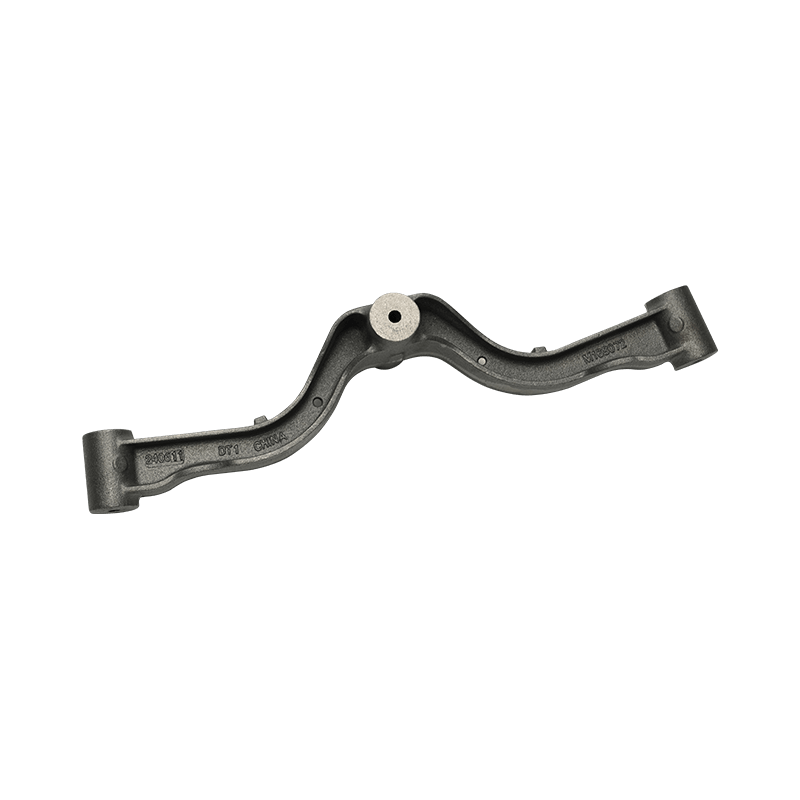
- Steering Knuckles: Where safety and impact resistance are paramount.
- Brake Calipers: To withstand the high heat and pressure of braking.
Energy and Wind Power
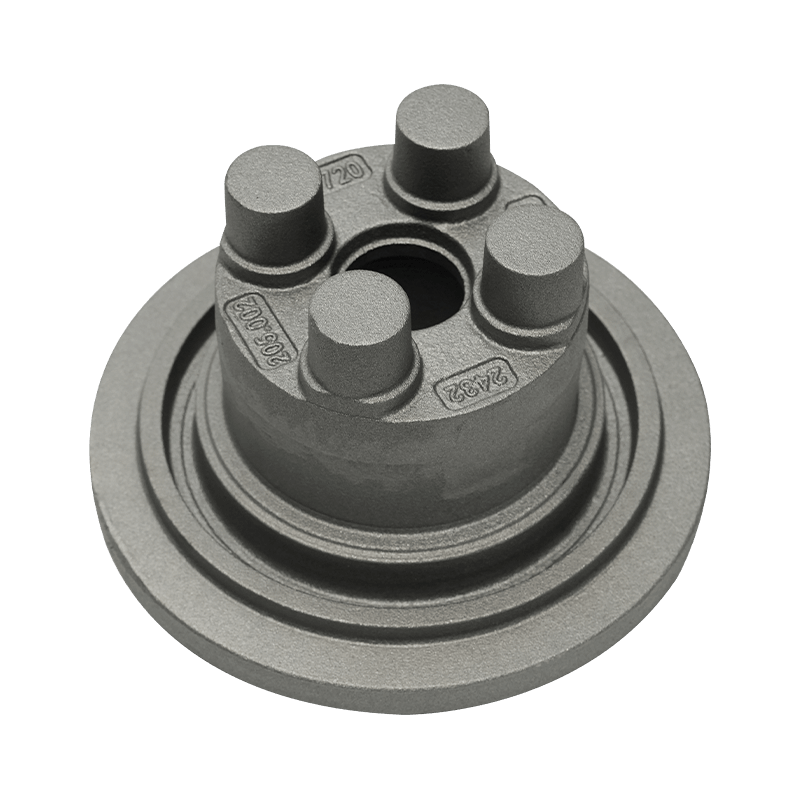
In the renewable energy sector, the massive "hubs" at the center of wind turbine blades are often made from high-grade Ductile Cast Iron. These parts must withstand decades of extreme weather and rotational stress.
Agriculture and Construction
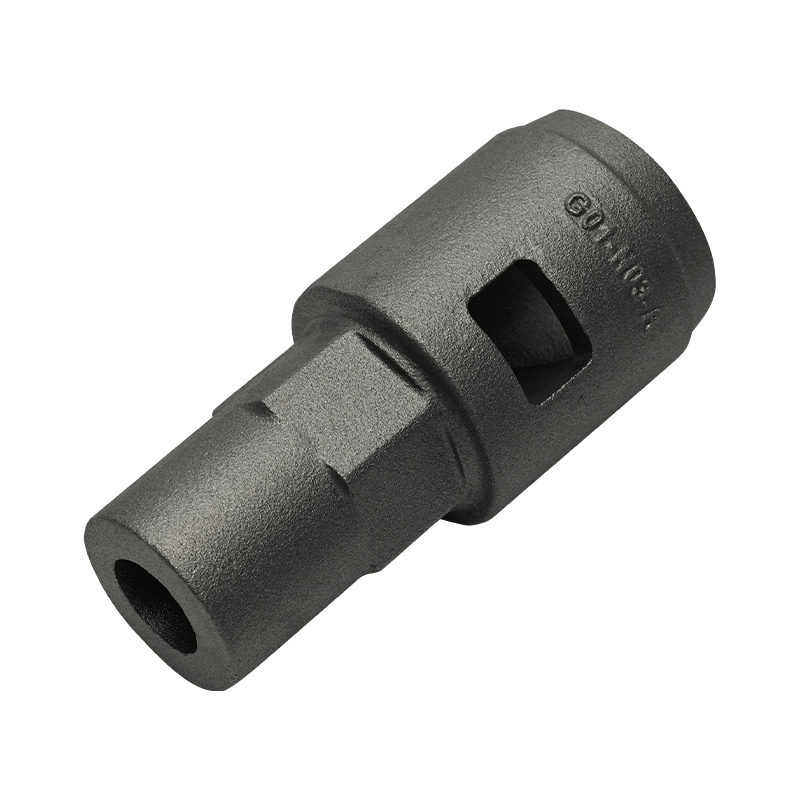
Tractor frames, backhoe buckets, and hydraulic cylinders frequently utilize DCI because it can be cast into thick, rugged shapes that survive the harshest job sites.
Sustainability and the Circular Economy
In today’s industrial landscape, sustainability is no longer optional. Ductile Cast Iron scores surprisingly well in this category:
- Recyclability: Most Ductile Iron is made from a high percentage of recycled steel scrap. Furthermore, at the end of its life, a ductile iron pipe or gear can be melted down and turned into a brand-new part with no loss of quality.
- Longevity: Its natural corrosion resistance and durability mean that components don't need to be replaced as often, reducing the carbon footprint associated with manufacturing and transport.
- Energy Efficiency: Casting a part into its "near-net shape" reduces the need for extensive machining, which saves energy and reduces material waste.
Choosing the Right Grade: A Guide for Buyers
When sourcing Ductile Cast Iron, you will encounter various international standards (such as ASTM A536 in the US or EN 1563 in Europe). Selecting the right grade involves a trade-off:
- Higher Ductility Grades (e.g., 60-40-18): These have a "Ferritic" matrix. They are softer, easier to machine, and have the best impact resistance.
- Higher Strength Grades (e.g., 100-70-03): These have a "Pearlitic" matrix. They are much harder and stronger but have very little "stretch" before breaking.
Pro Tip: Always consult with your foundry or engineering team early in the design phase. Often, a slightly different grade can significantly reduce machining costs or improve the lifespan of the part in the field.
Challenges and Considerations
While Ductile Cast Iron is impressive, it is not a "magic bullet" for every problem.
- Weight: Like all iron and steel, it is heavy. In industries where weight-saving is the primary goal (like aerospace), aluminum or carbon fiber may be preferred.
- Section Sensitivity: The properties of a casting can vary slightly depending on how thick the section is. Thicker sections cool more slowly, which can affect the graphite nodule count.
- Quality Control: If the magnesium treatment is not performed perfectly, the graphite may stay in "vermicular" (worm-like) shapes, which compromises the strength of the part. This is why working with a certified, experienced foundry is non-negotiable.
Why Ductile Cast Iron Matters
Ductile Cast Iron represents the perfect marriage of ancient metallurgy and modern chemical engineering. It provides the design flexibility of a casting with the mechanical reliability of a forging. As we move toward more complex infrastructure and more efficient machinery, the demand for this "versatile giant" shows no signs of slowing down.
By choosing Ductile Cast Iron, industries are choosing a material that is cost-effective, incredibly durable, and environmentally responsible. It is the silent backbone of the modern world, ensuring that our water flows, our cars run, and our power stays on.