

 English
 русский
 Deutsch

Content
Anyone who has compared materials on a data sheet has probably asked the same question: how much stronger is steel than iron? It sounds like a simple comparison, but the answer depends on which iron and which steel you mean.
In general terms, structural steel is two to four times stronger than pure commercial iron in tensile strength, and specialized alloy steels can be far stronger still. The gap comes down to carbon and microstructure.
At Yancheng Longwan Machinery, we answer this question from the foundry perspective. Since 2006, our foundry in Jiangsu, China, has produced grey cast iron and ductile cast iron components for agricultural machinery, water pumps, valves, automotive, semiconductor and robotics applications. Helping customers read strength figures is part of our daily work, so let's dig into the numbers.
The Short Answer: Steel vs Iron Strength at a Glance
Tensile strength is the most commonly used measure when people ask how much stronger steel is than iron. The table below lists typical ranges for the material families you are most likely to encounter.
| Material | Tensile Strength (MPa) | Yield Strength (MPa) | Elongation at Break |
|---|---|---|---|
| Commercially pure iron | 180-280 | 90-150 | 30-40% |
| Wrought iron | 250-350 | 180-250 | 15-25% |
| Grey cast iron | 150-350 | Not defined (brittle) | <1% |
| Ductile cast iron | 400-900 | 250-620 | 2-18% |
| Mild structural steel | 400-550 | 250-350 | 20-25% |
| High-strength alloy steel | 700-2,000+ | 600-1,700+ | 5-15% |
Read the table carefully and you will notice that "iron" is not one material. Commercially pure iron is soft and ductile, with tensile strength around 180 to 280 MPa. Wrought iron, the historical structural iron, sits a little higher. Grey cast iron has lower tensile strength and almost no elongation. Ductile cast iron, by contrast, reaches 400 to 900 MPa, overlapping with mild structural steel.
So how much stronger is steel than iron? If pure iron is the baseline, mild steel is roughly two to three times stronger in tension, and hardened alloy steel can be ten times stronger or more.
Why Carbon Makes the Difference
Steel and iron share the same base element, but their mechanical behavior is set by carbon. Pure iron is mostly ferrite, a body-centered cubic lattice in which atoms can slip past one another readily. That slip is why pure iron is soft, malleable and highly ductile.
When carbon enters the structure, the picture changes. Carbon atoms squeeze between iron atoms, straining the lattice and making it much harder for dislocations to move. The more carbon — up to roughly 2.1%, the limit for steel — the stronger and harder the alloy becomes. Heat treatment and cold working push the effect even further, producing microstructures like martensite that can reach tensile strengths well above 1,000 MPa.
Cast iron sits on the other side of the carbon scale. With roughly 2% to 4% carbon, the element can no longer stay dissolved in the iron, so it forms graphite. That is exactly why cast iron behaves so differently from steel.
What Most People Actually Mean by "Iron": Cast Iron
When engineers ask us about iron strength, they are not thinking of pure iron. In manufacturing, the word "iron" almost always means cast iron — specifically grey cast iron or ductile cast iron. These are casting alloys, and their strength profile is different from both pure iron and steel.
Grey Cast Iron: Strong in Compression, Excellent in Damping
Grey cast iron contains graphite in flake form. The flakes create natural damping, which is why grey iron has been the traditional material for machine bases, pump housings, valve bodies and brake components. It also performs well in compression. The trade-off is low tensile strength and virtually no ductility.
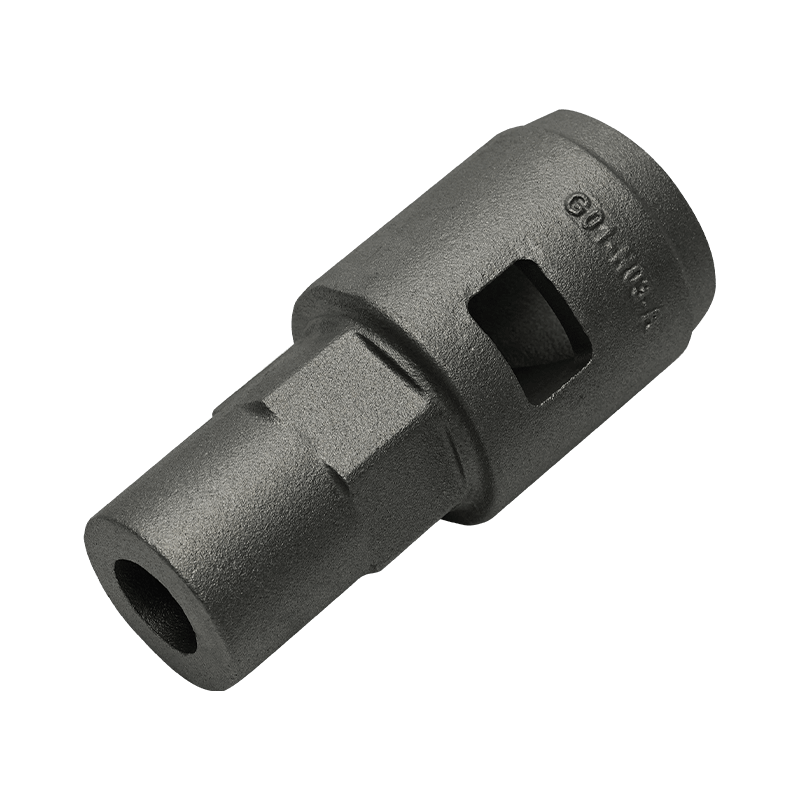
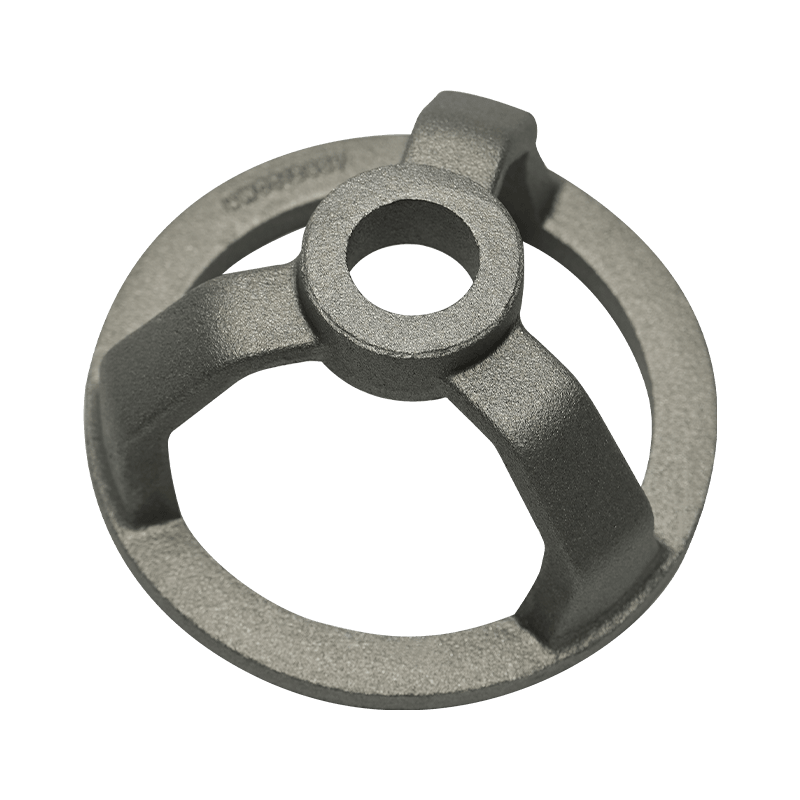
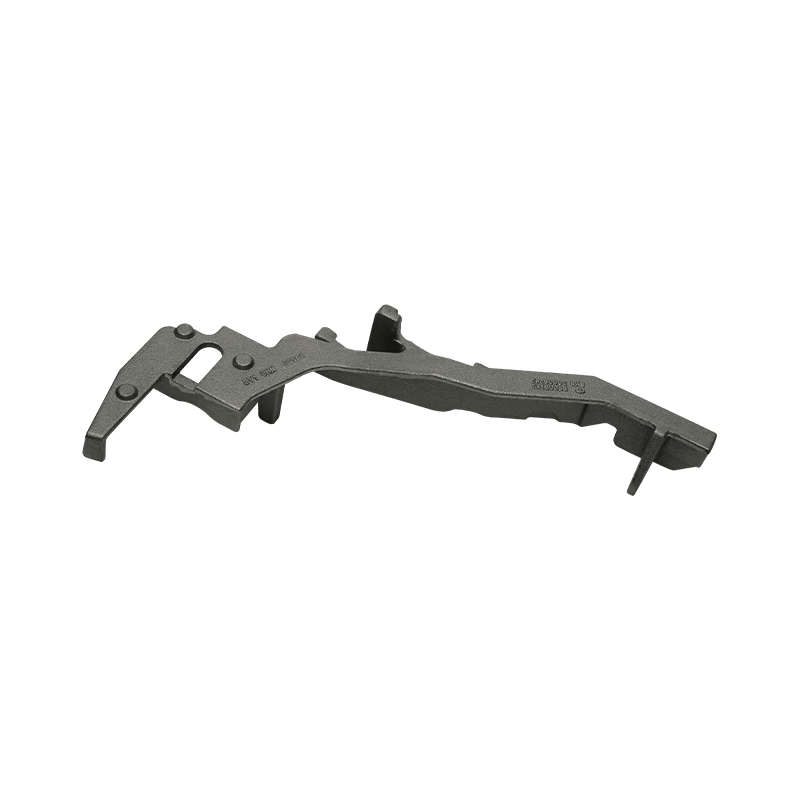
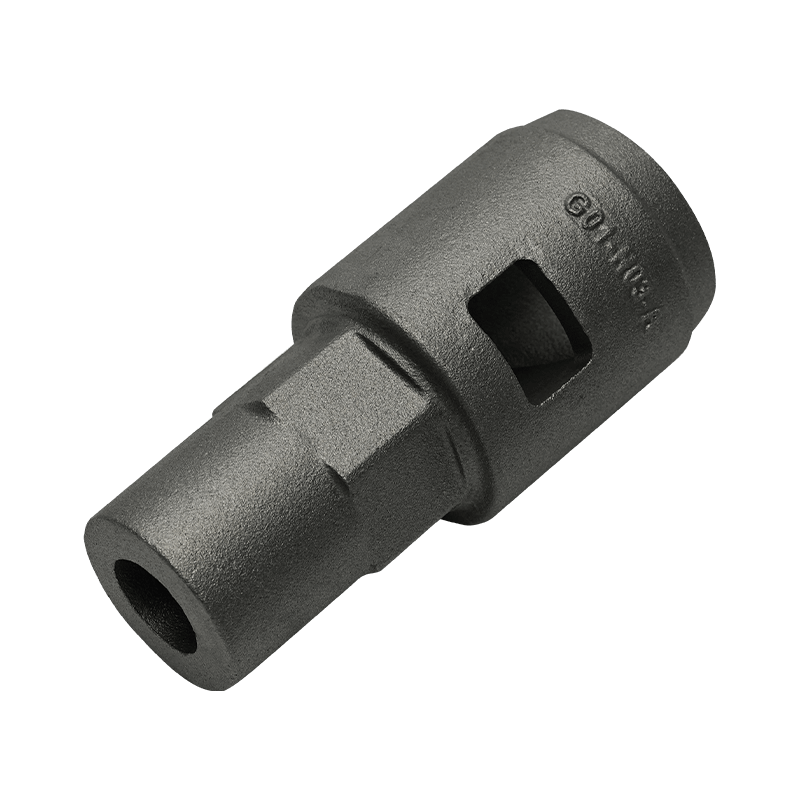 Grey Cast Iron Product Line for Damping and Wear PartsDiscover grey cast iron's flake graphite benefits—damping, lubricity, wear resistance—for brake discs, housings, and valve bodies, backed by our 15,000-tonne capacity.View Product →
Ductile Cast Iron: Near-Steel Strength in a Castable Form
Ductile cast iron gets its name from the round graphite nodules formed when magnesium is added to the melt. The spherical graphite eliminates the sharp tips that make grey iron brittle, so the material can absorb impact and stretch before it breaks. Depending on grade, ductile iron offers tensile strengths of 400 to 900 MPa — essentially the same range as many structural steels.
That combination is why ductile iron is our most requested material for automotive parts, water pump accessories, valve components, gearbox housings and industrial robot parts. If you want a deeper comparison, our earlier article on ductile iron vs cast iron walks through the differences in more detail.
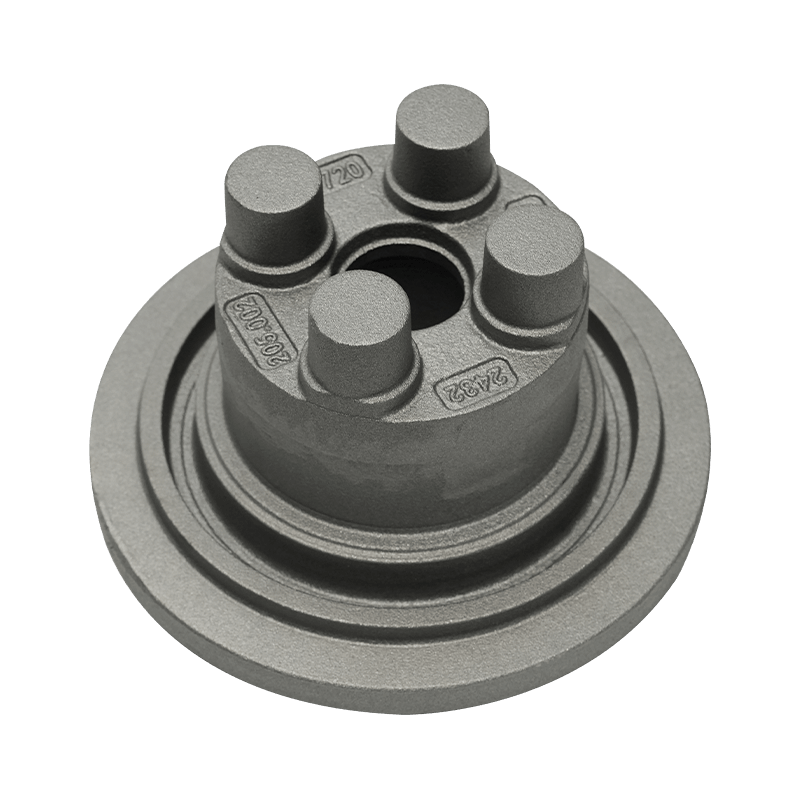
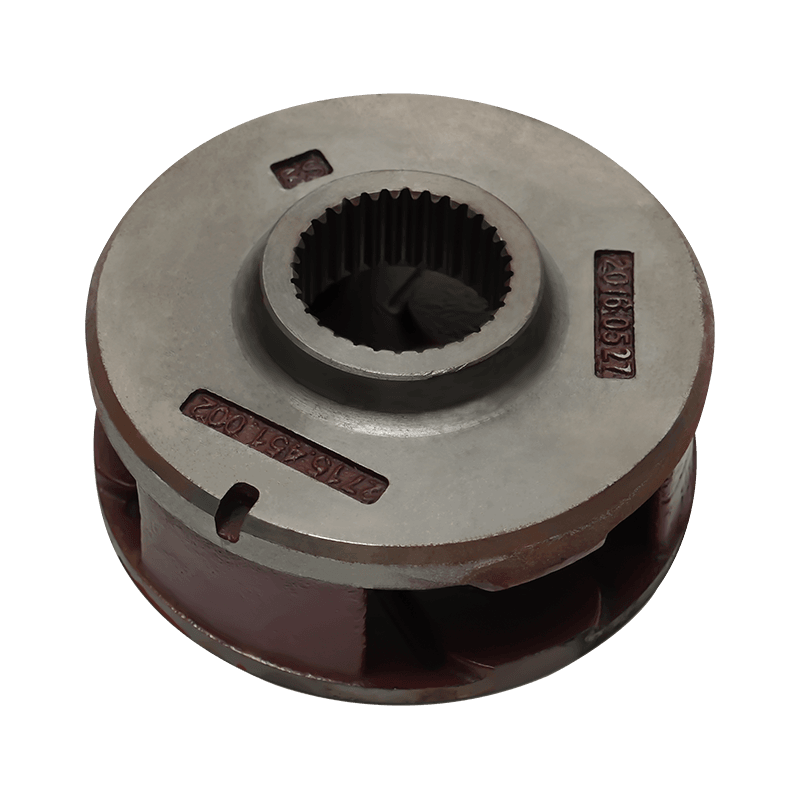
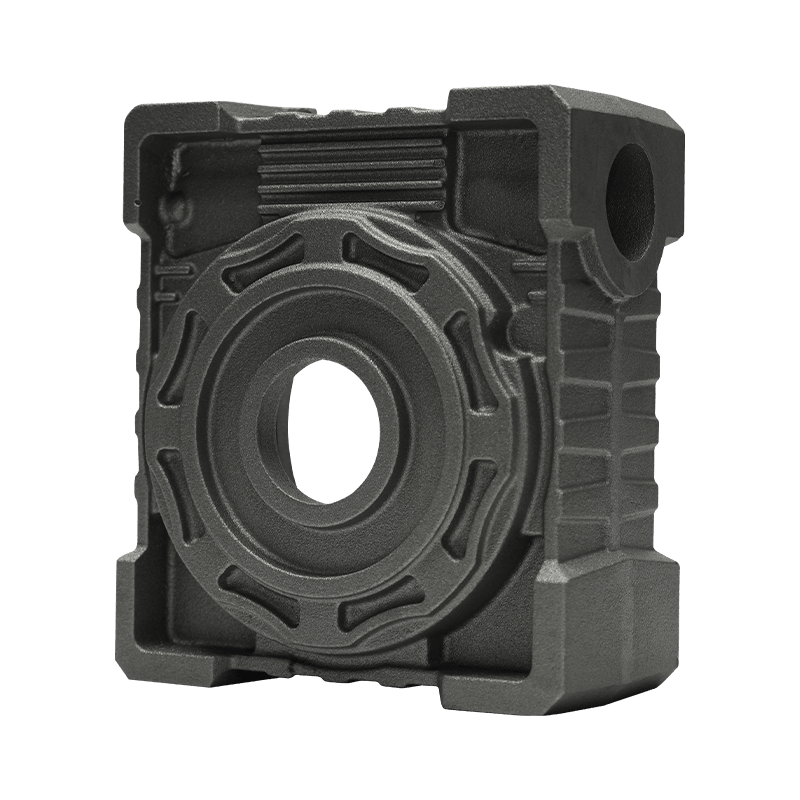
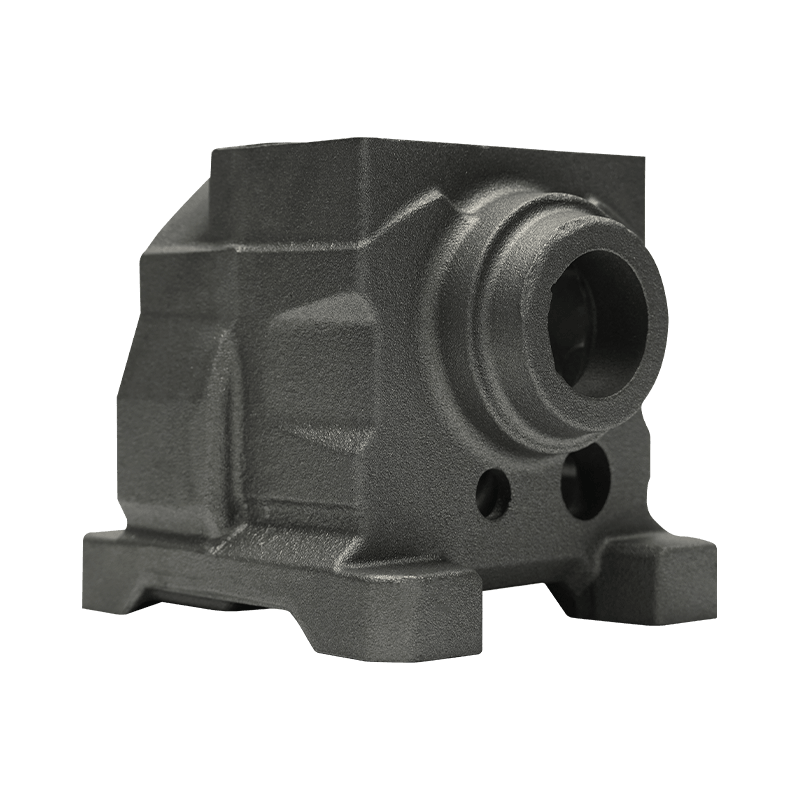
Ductile Cast Iron Range for Strength and ToughnessDuctile iron offers near-steel strength with toughness, ideal for demanding parts like calipers, housings, and robot bases—available in our foundry with full machining.View Product →Steel or Cast Iron: How to Choose for Your Component
Strength is never the only factor in material selection. The right choice depends on geometry, production volume, joining requirements and cost. In our workshop, the decision usually follows a simple rule:
- Steel is the practical choice when the part must be welded, subjected to repeated impacts, or machined from bar and plate.
- Grey cast iron is the economical choice for complex housings and bases that mainly take compression and benefit from vibration damping.
- Ductile cast iron is the all-rounder when you need steel-like strength plus complex cast geometry in a single component.
This rule of thumb explains why ductile iron is the standard material for water, sewer and fire-protection pipe fittings — pressure strength, corrosion resistance and castability in one product.
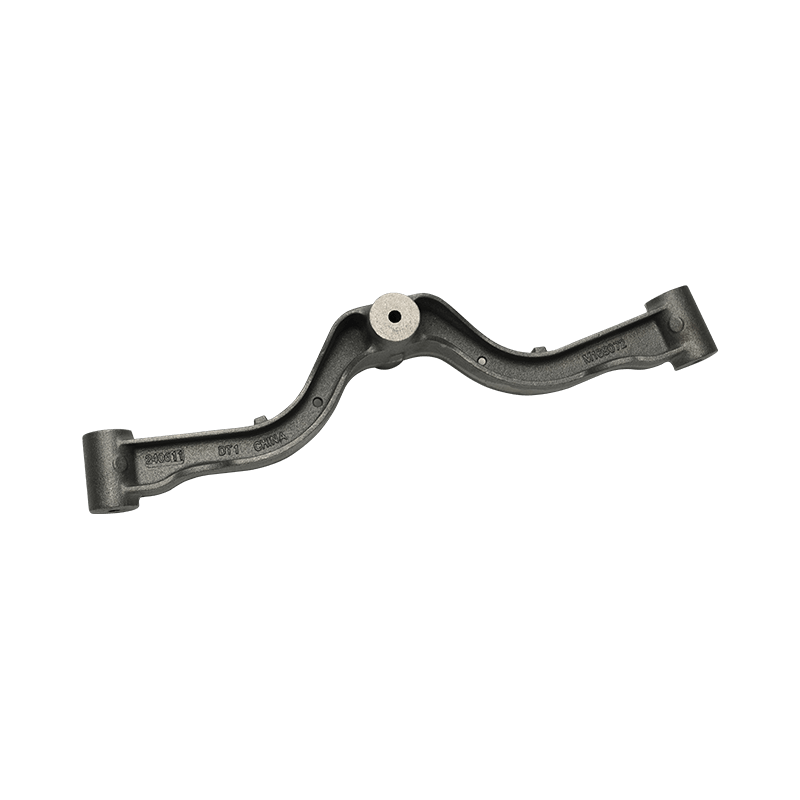
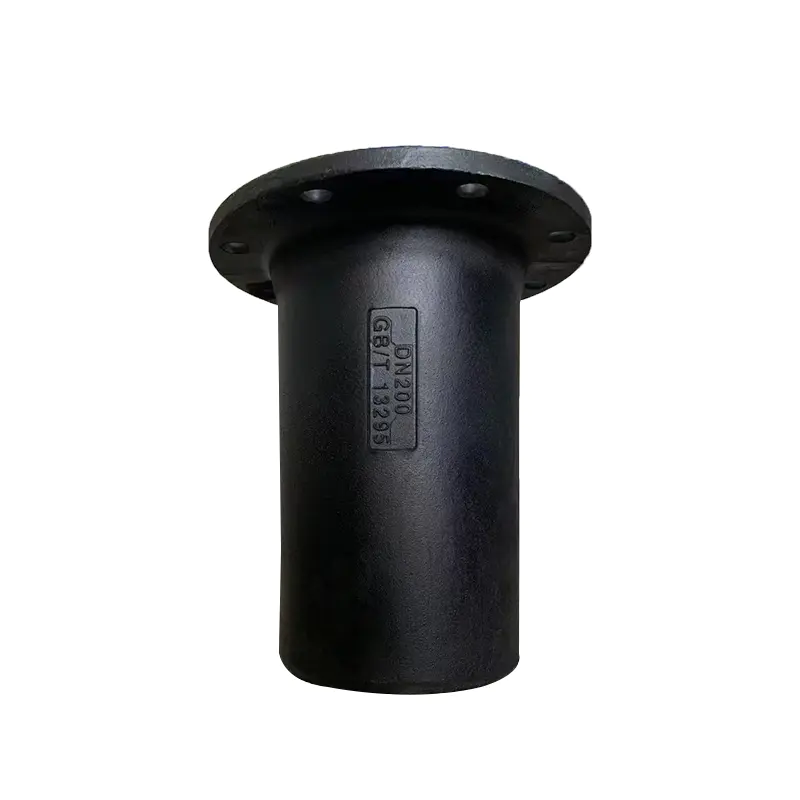 Ductile Iron Pipe Fittings for Water and Fire SystemsDuctile iron pipe fittings meet pressure and corrosion demands for water, sewer, and fire systems, supplied to your drawings with various joint types.View Product →
Because we operate both grey and ductile iron casting lines, with machining and polishing capacity in-house, we can guide you from drawing to finished part. Our ODM and OEM experience across many industries gives us a practical view of which material is strong enough — and which is over-specified — for a given application.
The Bottom Line: How Much Stronger Is Steel Than Iron?
To put the answer in one sentence: steel is typically two to four times stronger than pure iron, while high-alloy steel can go far beyond that. Compare steel with cast iron, however, and the gap narrows considerably — ductile cast iron can match mild steel in tensile strength while offering better castability.
Material choice should follow the component's function, not a simple strength ranking. If you are developing a casting and want an honest recommendation on material grade, the team at Yancheng Longwan Machinery is glad to help. Send us your drawing or reach out through our website — we will help you find the right balance of strength, weight, machinability and cost.