

 English
 русский
 Deutsch
Content
- 1 What Makes Ductile Cast Iron Suitable for Semiconductor Accessories
- 2 Common Semiconductor Accessories Made From Ductile Cast Iron
- 3 Ductile Iron Grades Used in Semiconductor Applications
- 4 How Ductile Iron Compares to Alternative Materials in Semiconductor Accessories
- 5 Surface Treatment Requirements for Cleanroom and Semiconductor Environments
- 6 Design and Manufacturing Considerations for Ductile Iron Semiconductor Parts
- 7 Sourcing and Quality Standards for Semiconductor-Grade Ductile Iron Accessories
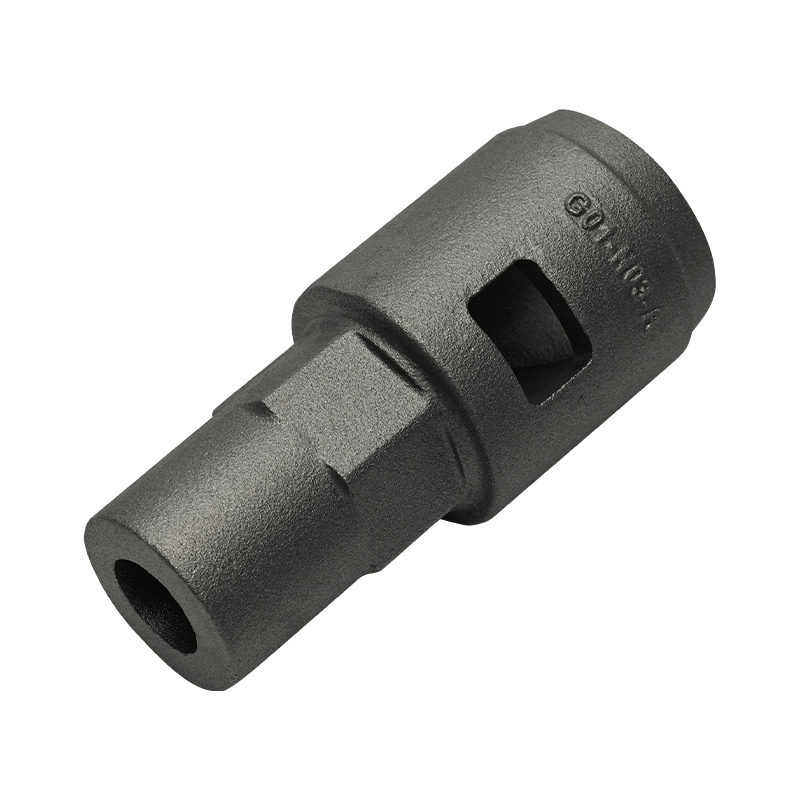
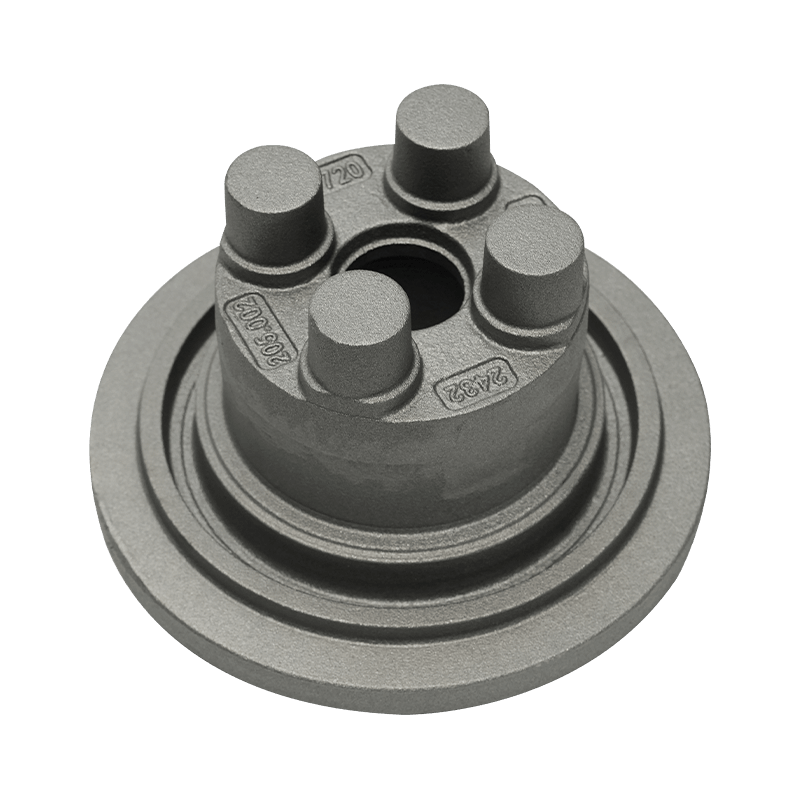
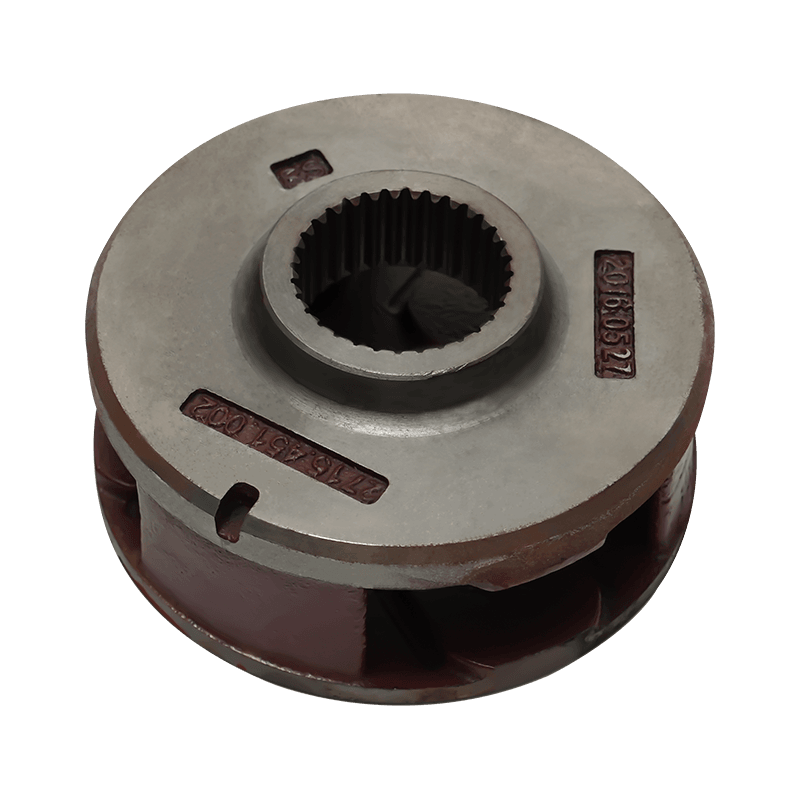
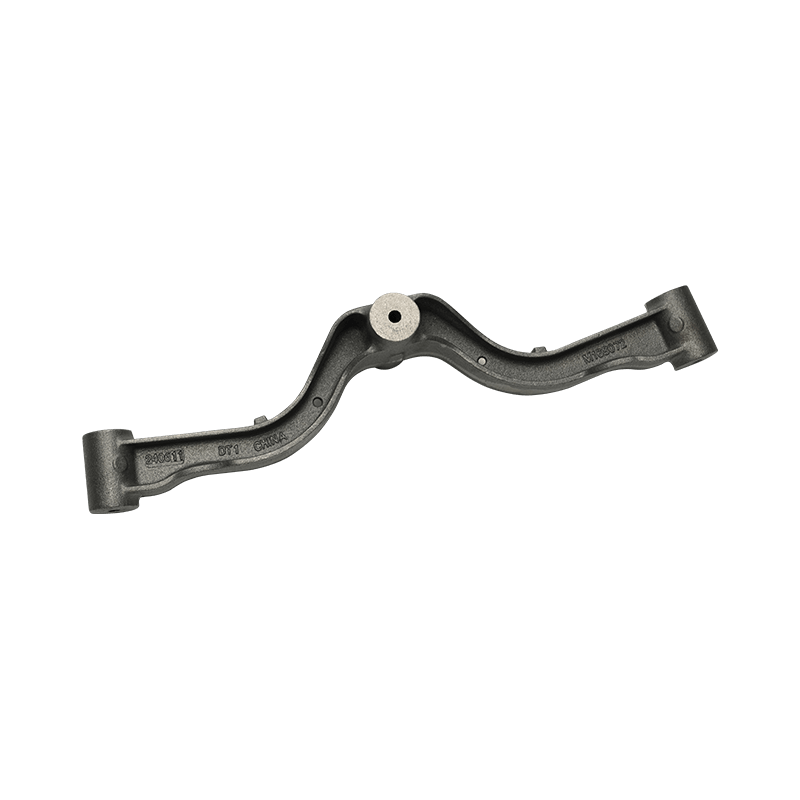
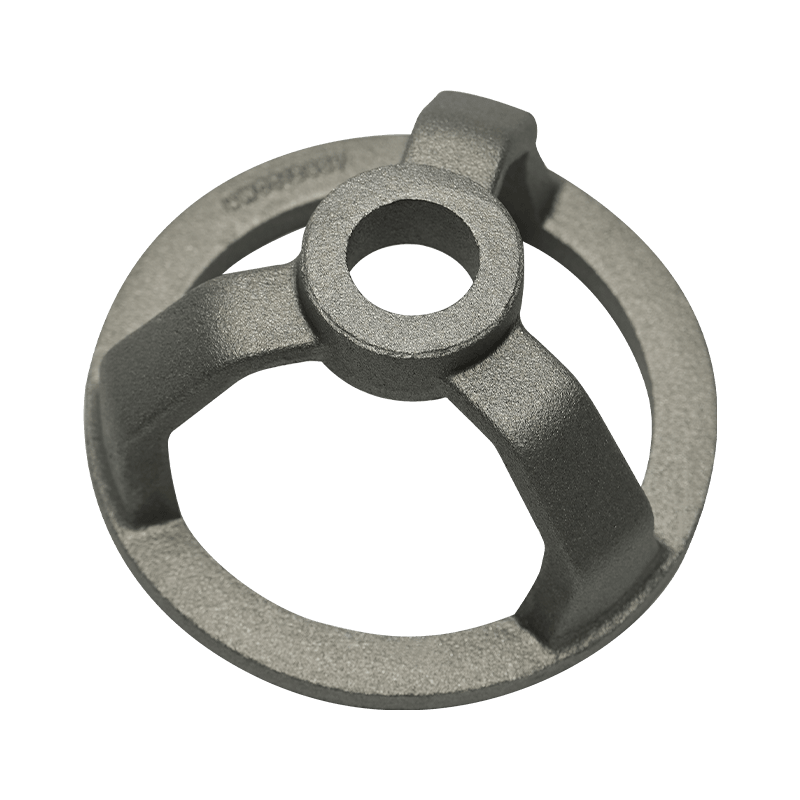
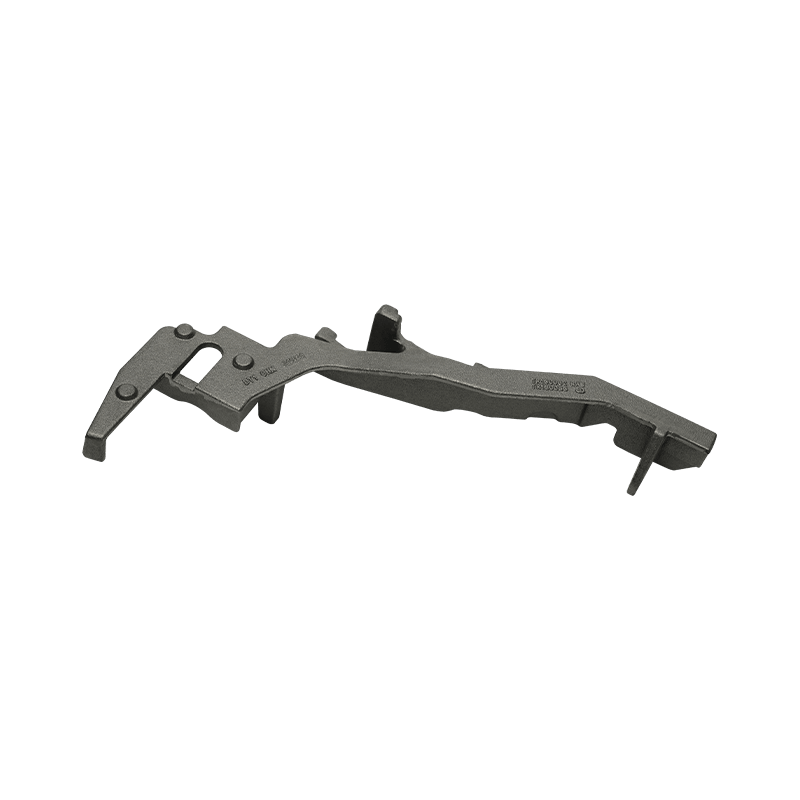
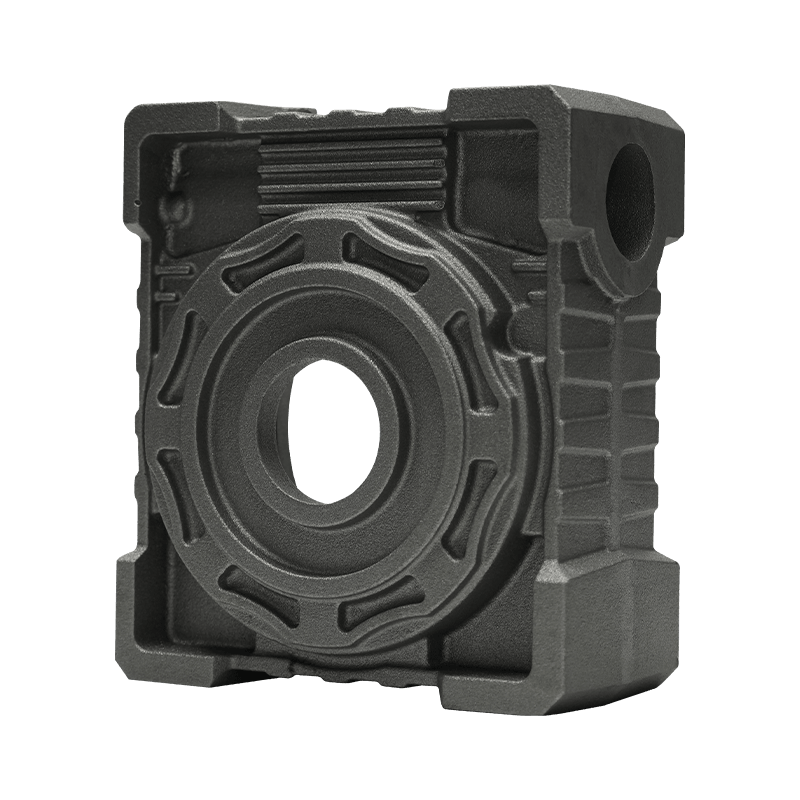
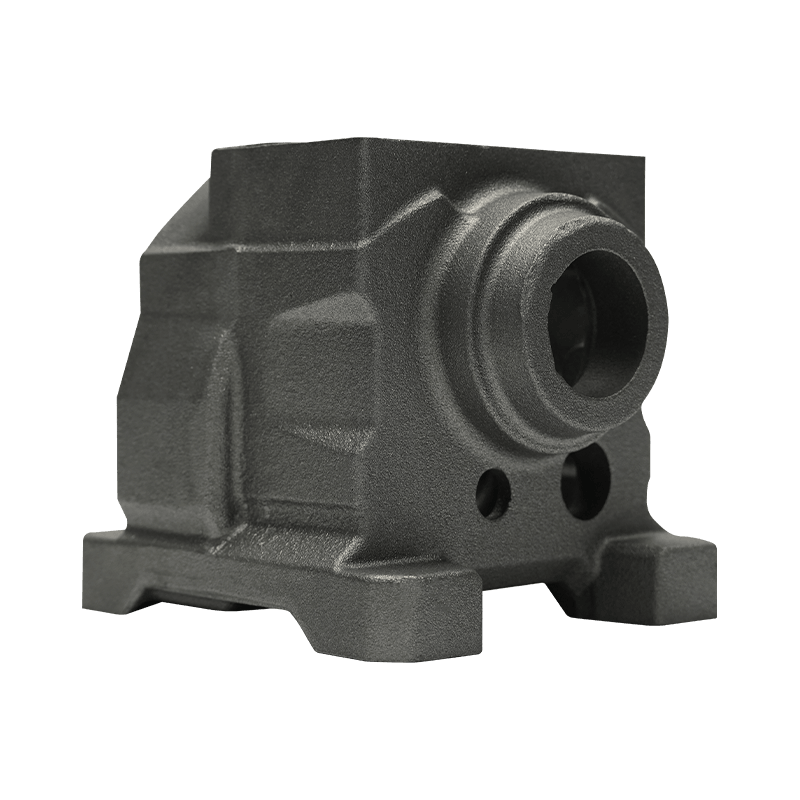
Ductile cast iron has become a practical and cost-effective material choice for a range of Ductile Cast Iron Semiconductor Accessories — particularly structural and mechanical components that demand high strength, vibration damping, and dimensional stability under thermal cycling. While it is not used in the active electrical elements of semiconductor devices, it plays a critical supporting role in equipment housings, vacuum chamber components, precision mounting fixtures, and tooling used throughout semiconductor fabrication and packaging.
Its unique combination of cast iron's damping capacity with the toughness closer to steel — achieved through the spheroidal graphite microstructure — makes ductile iron a material that engineers increasingly specify when aluminum or grey iron fall short of mechanical requirements without justifying the cost of stainless steel or specialty alloys.
What Makes Ductile Cast Iron Suitable for Semiconductor Accessories
Semiconductor manufacturing environments impose demanding requirements on every component in the process chain. Accessories must resist mechanical stress, maintain precise dimensions across temperature swings, and in many cases operate in cleanroom or low-contamination conditions. Ductile cast iron addresses several of these needs simultaneously.
Key Mechanical Properties
- Tensile strength of 414–827 MPa depending on grade (ASTM A536), significantly higher than grey cast iron at 100–350 MPa.
- Elongation at break of 2–18%, giving it genuine ductility that grey iron lacks entirely.
- Vibration damping capacity roughly 10 times higher than steel, which reduces resonance-induced positioning errors in precision semiconductor equipment.
- Good machinability, allowing tight tolerances of ±0.01 mm or better to be achieved on CNC-machined fixtures and mounts.
- Thermal conductivity of approximately 36 W/m·K, useful in components that need to conduct or dissipate heat without steep thermal gradients.
Why the Spheroidal Graphite Microstructure Matters
The defining difference between ductile iron and grey iron is the shape of the graphite inclusions. In grey iron, graphite forms as sharp flakes that act as internal stress concentrators. In ductile iron, magnesium treatment during production causes graphite to form as spherical nodules, which interrupt crack propagation far less effectively and yield the material's signature toughness. This makes ductile iron components far more resistant to impact loading and fatigue — both relevant in semiconductor automation, where robotic arms and wafer-handling fixtures undergo millions of loading cycles.
Common Semiconductor Accessories Made From Ductile Cast Iron
Ductile iron is not a universal material across all semiconductor accessories — its use is concentrated in specific component categories where its property profile offers a clear advantage over alternatives.
Equipment Bases and Machine Frames
Large semiconductor processing machines — including lithography systems, CVD reactors, and ion implanters — require rigid, vibration-damping base structures. Ductile iron castings are widely used for these frames because they combine the mass needed for stability with damping that reduces transmitted vibration to sensitive optical or mechanical subsystems. A typical machine base for a wafer stepper may weigh several hundred kilograms and require flatness tolerance under 5 microns across the mounting surface.
Vacuum Chamber Components and Flanges
Certain vacuum system components in semiconductor equipment — including chamber body sections, port flanges, and structural inserts — are manufactured in ductile iron when the geometry is too complex or large for practical stainless steel machining. Ductile iron can be cast into near-net-shape geometries with internal passages, reducing machining time. Surface treatment, typically electroless nickel plating or epoxy coating, is applied to suppress outgassing and prevent contamination inside process chambers.
Precision Fixture and Jig Components
Wafer mounting jigs, die bonding fixtures, and probe station stages that must maintain tight positional tolerances under repeated thermal cycling are often specified in ductile iron rather than aluminium, because ductile iron's lower coefficient of thermal expansion (CTE) of approximately 11–12 µm/m·°C compared to aluminum's 23 µm/m·°C reduces thermally induced dimensional drift during processing.
Tooling for Semiconductor Packaging
In back-end semiconductor packaging, ductile iron is used for mold bases, transfer press platens, and lead frame handling tools. These components experience high cyclic compressive loads during molding operations and benefit from ductile iron's combination of compressive strength, wear resistance (especially in austempered grades), and the ability to cast complex internal cooling channel geometries directly into the part.
Ductile Iron Grades Used in Semiconductor Applications
Not all ductile iron is the same. Grade selection depends on the specific mechanical demands of the accessory. The ASTM A536 standard defines the most commonly referenced grades.
| Grade | Tensile Strength (MPa) | Elongation (%) | Hardness (HB) | Typical Semiconductor Use |
|---|---|---|---|---|
| 60-40-18 | 414 | 18 | 140–200 | Machine frames, vibration-damping bases |
| 65-45-12 | 448 | 12 | 156–217 | Structural brackets, chamber body sections |
| 80-55-06 | 552 | 6 | 187–255 | Precision fixtures, jig bases, mold tooling |
| 100-70-03 | 689 | 3 | 217–302 | High-load press platens, packaging tooling |
| ADI (Austempered) | 800–1600 | 1–10 | 260–550 | Wear-resistant handling components, cams |
Austempered ductile iron (ADI) deserves particular attention for semiconductor accessories subject to abrasive wear or high contact stress. The austempering heat treatment produces a bainitic microstructure that delivers wear resistance comparable to carburized steel at roughly 10–20% lower component cost, with better vibration damping retained.
How Ductile Iron Compares to Alternative Materials in Semiconductor Accessories
Material selection for semiconductor accessories typically involves trade-offs between mechanical performance, contamination risk, weight, cost, and machinability. Ductile iron competes primarily with grey iron, aluminum alloys, and stainless steel in this space.
| Property | Ductile Iron | Grey Iron | Aluminum (6061) | Stainless Steel (316) |
|---|---|---|---|---|
| Tensile Strength (MPa) | 414–827 | 100–350 | 276 | 485–620 |
| Vibration Damping | High | Very High | Low | Low |
| CTE (µm/m·°C) | 11–12 | 10–12 | 23 | 16 |
| Impact Resistance | Good | Poor | Moderate | Excellent |
| Relative Material Cost | Low–Moderate | Low | Moderate | High |
| Corrosion Resistance (bare) | Moderate | Moderate | Good | Excellent |
| Castability (complex shapes) | Excellent | Excellent | Good | Difficult |
The comparison highlights why ductile iron occupies a distinct niche: it outperforms grey iron in toughness, outperforms aluminum in damping and thermal stability, and undercuts stainless steel significantly on cost — while still supporting complex cast geometries that would be expensive to machine from billet.
Surface Treatment Requirements for Cleanroom and Semiconductor Environments
Bare ductile iron is porous at the surface due to its casting microstructure and is susceptible to oxidation, both of which make it unsuitable for cleanroom or vacuum environments without treatment. Surface finishing is therefore a mandatory step for any ductile iron semiconductor accessory.
Electroless Nickel Plating
The most common treatment for ductile iron semiconductor components, electroless nickel deposits a uniform 25–75 µm nickel-phosphorus layer that seals surface porosity, provides corrosion resistance, and creates a hard, low-outgassing surface compatible with high-vacuum environments. The process is conformal, meaning it covers complex internal geometries without line-of-sight limitations.
Epoxy and Polymer Coatings
For components used in cleanroom assembly fixtures or equipment housings (rather than vacuum chambers), solvent-free epoxy coatings seal porosity, prevent rust, and provide a cleanable surface. These are lower-cost than nickel plating and adequate for ISO Class 5–7 cleanroom environments where outgassing requirements are less stringent.
Hard Chrome and PVD Coatings
In wear-critical applications — such as sliding guide surfaces on semiconductor handling equipment — hard chrome or PVD (physical vapor deposition) coatings are applied over the base ductile iron to achieve surface hardness values of HV 800–1200, significantly extending component service life without replacing the entire part in a harder but less damping material.
Design and Manufacturing Considerations for Ductile Iron Semiconductor Parts
Getting the most from ductile iron in semiconductor accessories requires attention to casting design, heat treatment sequencing, and machining strategy.
Wall Thickness and Nodularity
Nodularity — the percentage of graphite that forms as spheres rather than flakes — must be above 80% for structural semiconductor components to meet grade mechanical requirements. Achieving this in thick-section castings (above 75 mm) requires careful magnesium treatment control, as nodularity degrades in slow-cooling heavy sections. Ultrasonic testing of nodularity is standard practice for critical components.
Stress Relieving Before Final Machining
Castings intended for precision semiconductor fixtures must be stress-relieved at 540–600°C before finish machining to release residual casting stresses. Skipping this step causes dimensional distortion after machining as internal stresses redistribute — a particular problem for flatness-critical surfaces like vacuum sealing faces or wafer stage mounting pads.
Machining to Semiconductor Tolerances
- Use carbide or CBN tooling for finish cuts — high-speed steel tools wear rapidly on ductile iron due to its abrasive graphite-iron matrix.
- Flood cooling is preferred over mist cooling to prevent thermal gradients in the workpiece during precision boring or surface grinding.
- Final surface grinding of reference datums should target Ra ≤ 0.8 µm for most semiconductor fixture applications, with lapping to Ra ≤ 0.1 µm for vacuum sealing faces.
- Confirm flatness with CMM or laser interferometry after all machining and before surface treatment, as coating thickness adds to final dimensions.
Sourcing and Quality Standards for Semiconductor-Grade Ductile Iron Accessories
Semiconductor equipment manufacturers and their supply chains typically require documented material certification and traceability for ductile iron components used in process-critical roles.
- ASTM A536 is the primary specification for ductile iron castings in North America; EN 1563 (Spheroidal Graphite Cast Iron) is the equivalent European standard.
- Mill test reports (MTRs) documenting chemical composition, tensile properties, and nodularity percentage should be requested for each casting lot.
- For vacuum-facing components, helium leak testing to ≤ 1 × 10⁻⁹ mbar·L/s after surface treatment confirms seal integrity before installation.
- Foundries supplying semiconductor equipment OEMs are typically certified to ISO 9001:2015 as a minimum, with many holding IATF 16949 or sector-specific quality management system approvals.
- Incoming inspection for precision accessories should include dimensional verification on 100% of parts for critical datums, not just statistical sampling.