

 English
 русский
 Deutsch
Content
- 1 Core Accessories Found on Industrial Robots
- 2 Why Ductile Cast Iron Is Used for Industrial Robot Accessories
- 3 Specific Robot Accessories Commonly Made From Ductile Cast Iron
- 4 Ductile Iron Grades Best Suited for Robot Accessory Manufacturing
- 5 Comparing Ductile Iron to Other Materials for Robot Accessories
- 6 Manufacturing and Finishing Requirements for Ductile Iron Robot Accessories
- 7 Selecting and Sourcing Ductile Cast Iron Robot Accessories
Industrial robots are made up of far more than motors and controllers. The accessories attached to and surrounding a robot — end-of-arm tooling, structural joints, mounting bases, cable management systems, and safety enclosures — determine how effectively a robot performs its actual task on the factory floor. Without the right accessories, even the most capable robot arm cannot achieve reliable, repeatable results in production.
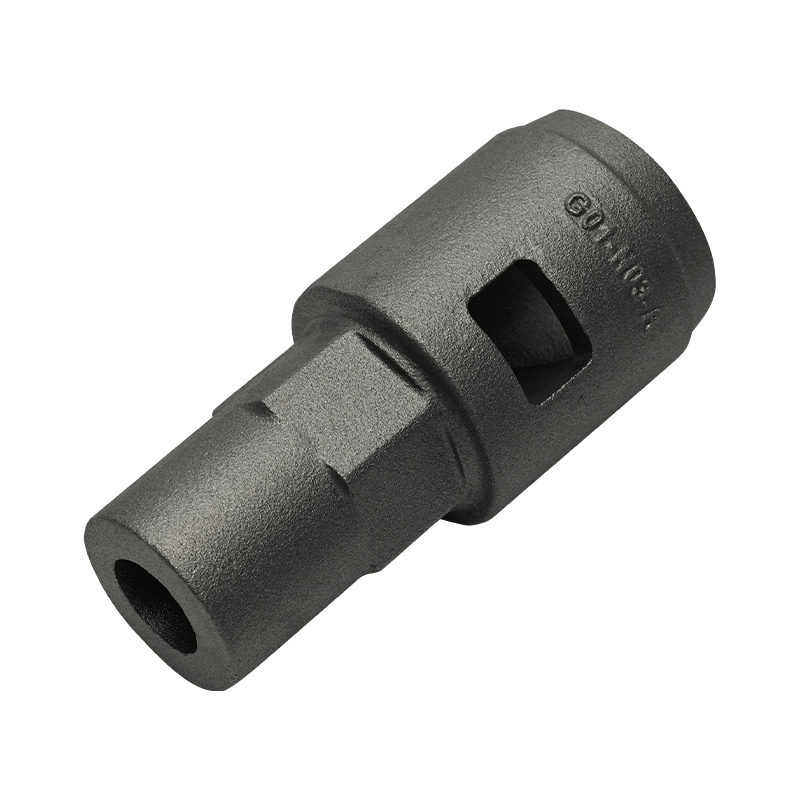
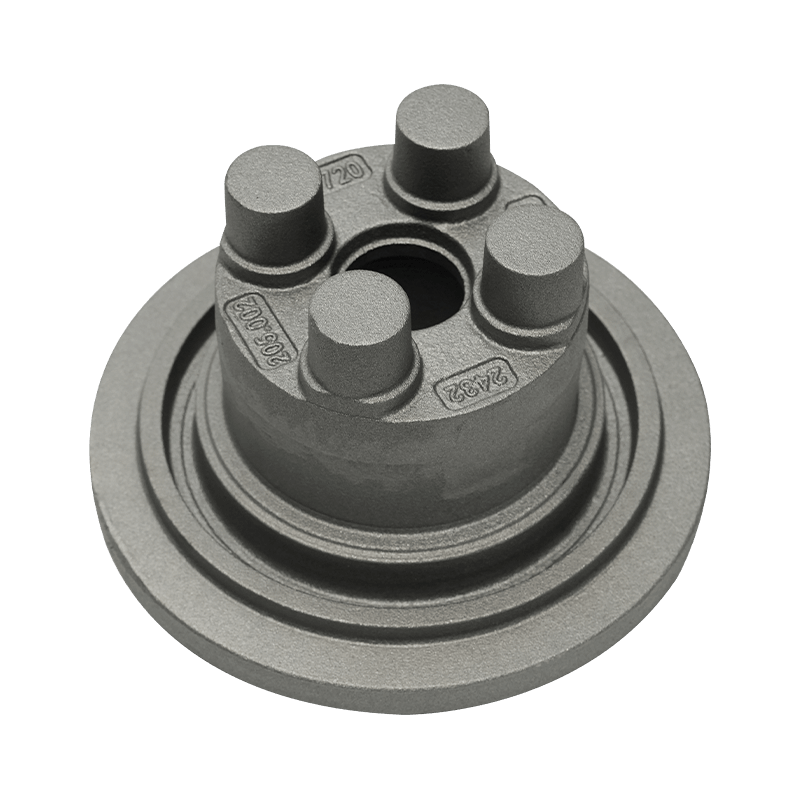
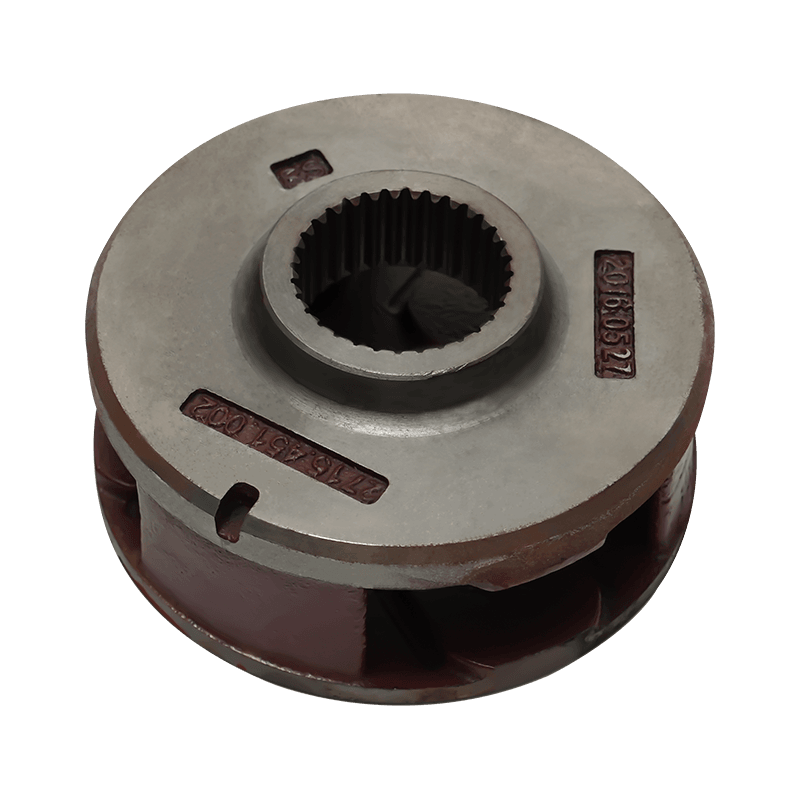
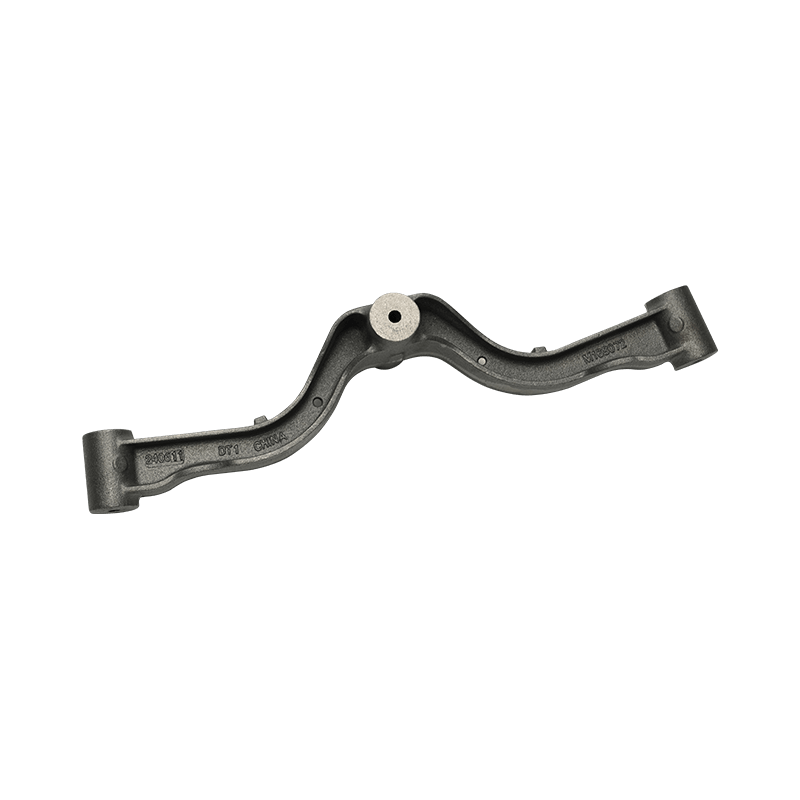
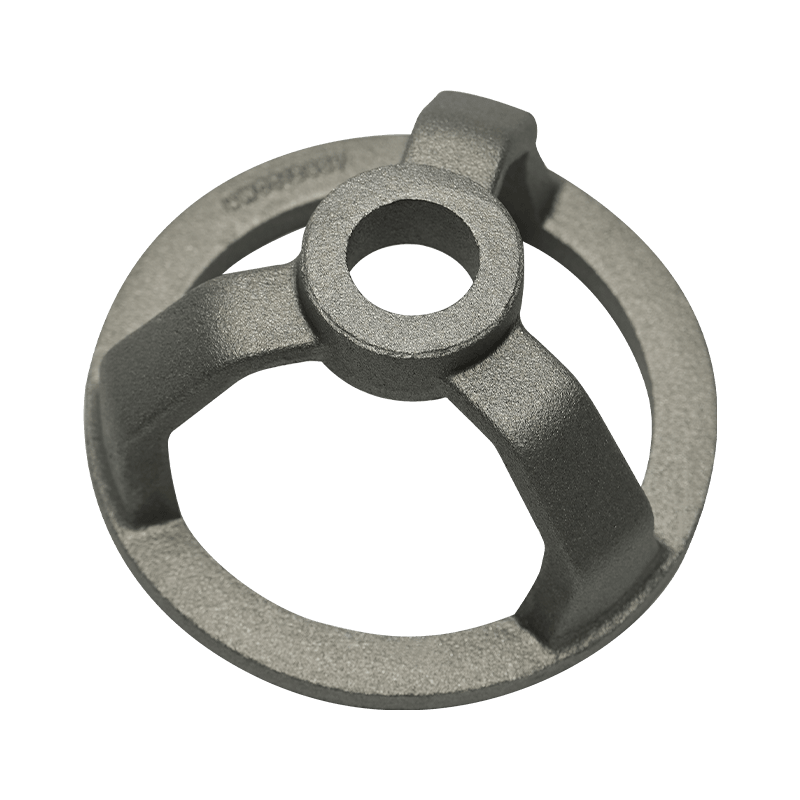
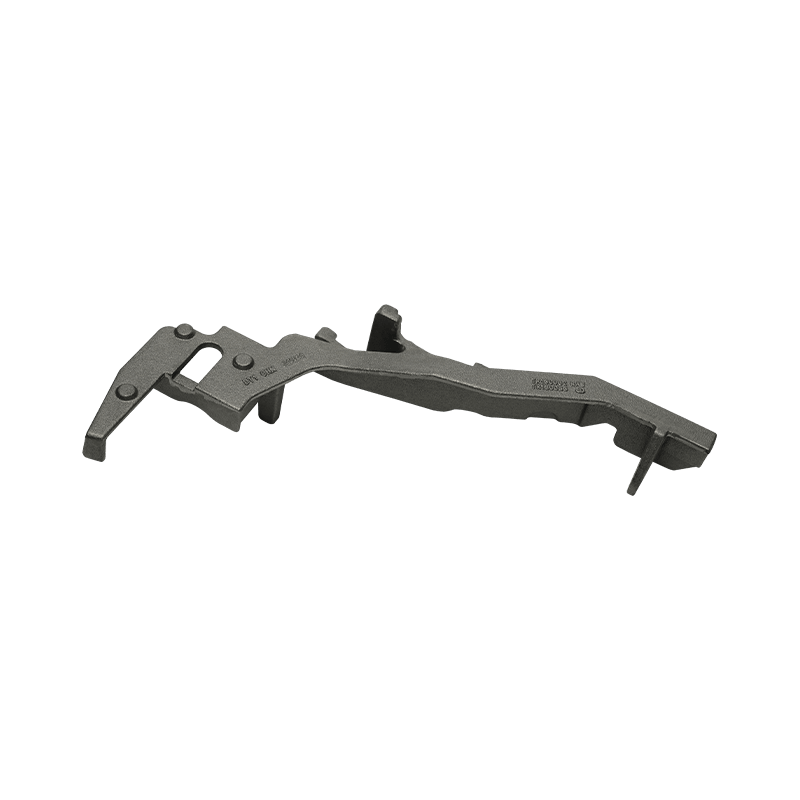
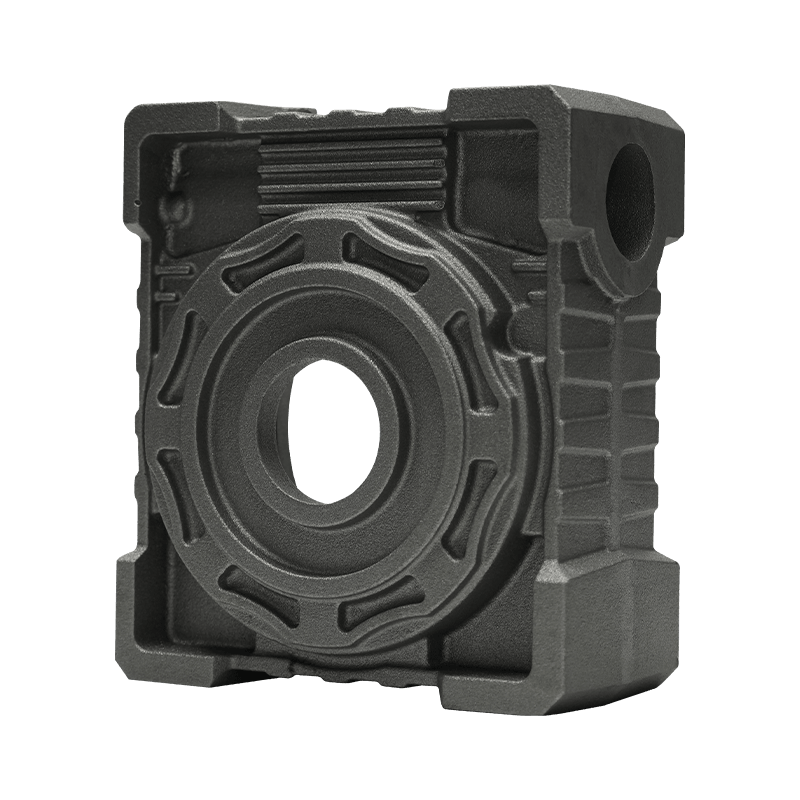
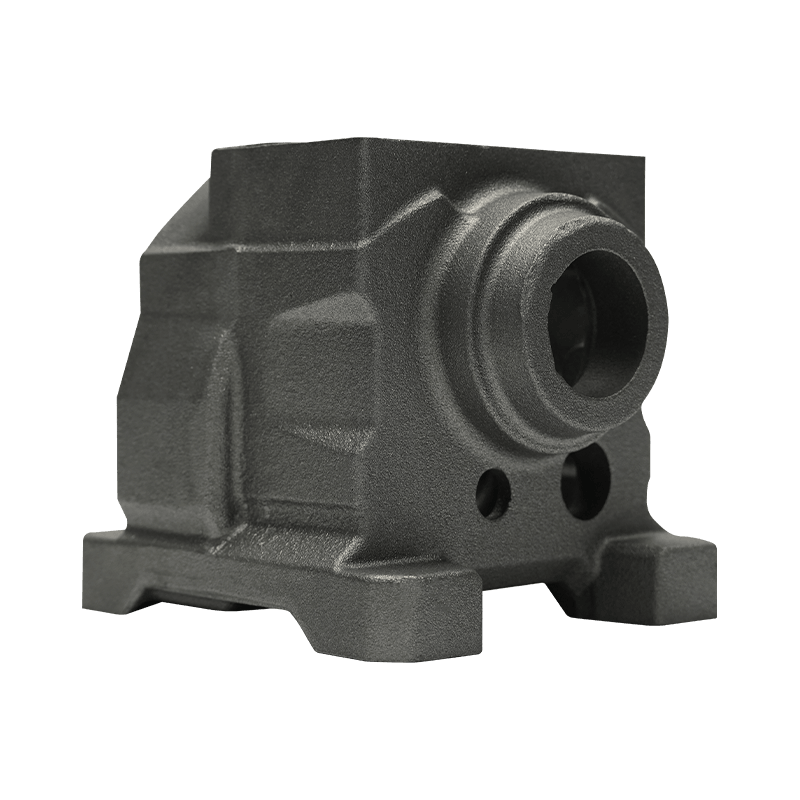
Among the materials used to manufacture these Ductile Cast Iron Industrial Robot Accessories, ductile cast iron has become a preferred choice for high-load structural components. Its combination of tensile strength up to 827 MPa, excellent vibration damping, and castability into complex shapes makes it especially well-suited to the mechanical demands of industrial robot systems — offering performance close to steel at significantly lower production cost.
Core Accessories Found on Industrial Robots
Industrial robots — whether articulated arms, SCARA robots, delta robots, or collaborative units — share a common set of accessory categories. Understanding each category clarifies both what the robot can do and which components are most subject to mechanical wear and stress.
End-of-Arm Tooling (EOAT)
End-of-arm tooling is the interface between the robot and the workpiece. It is the most task-specific accessory category and includes grippers, welding torches, suction cups, dispensing nozzles, and inspection sensors. EOAT is mounted to the robot's final axis (the tool flange) and changes depending on the application.
- Mechanical grippers — parallel, angular, or three-finger designs for picking and placing parts
- Vacuum suction cups — used for flat or smooth surfaces in electronics and glass handling
- Welding torches — MIG, TIG, or laser welding heads for robotic welding cells
- Dispensing tools — for adhesive, sealant, or coating application
- Force/torque sensors — mounted between flange and tool to provide tactile feedback in assembly tasks
Tool Changers and Quick-Connect Systems
Automatic tool changers (ATCs) allow a single robot to switch between multiple EOAT configurations without manual intervention. A robot equipped with an ATC and a rack of tools can switch between a gripper, a welding torch, and a camera in under 5 seconds, dramatically increasing cell flexibility. Tool changers consist of a master plate (robot-side) and tool plates (accessory-side), with locking mechanisms rated for loads up to several hundred kilograms depending on model.
Robot Mounting Bases and Pedestals
The base on which a robot is installed directly affects positioning accuracy and vibration behavior. Floor-mounted pedestals, ceiling-mount brackets, rail-mounted carriages, and wall-mount frames are all considered robot accessories. A poorly designed or undersized mounting base introduces microvibration that accumulates as positioning error at the tool tip — in a 2-meter reach robot, a base flex of just 0.01° translates to over 0.35 mm of tip displacement.
Cable Management and Dress Packs
Cables carrying power, air, data, and fluid to the robot tool must be routed and protected against the robot's repetitive motion. Dress packs — bundled cable conduit assemblies routed along the robot arm — prevent cable fatigue and entanglement. A well-designed dress pack can extend cable service life from under 1 million cycles to over 10 million cycles in high-speed applications.
Safety and Perimeter Accessories
Safety fencing, light curtains, area scanners, and interlocked access gates are all accessories that define the robot's operating envelope and protect personnel. For collaborative robots (cobots), additional accessories include padded bumpers, speed-and-separation monitoring systems, and power-and-force-limiting sensors built into the robot's joints.
Vision Systems
2D and 3D vision cameras, structured light scanners, and line-scan sensors mounted on or near the robot provide part detection, location, quality inspection, and guidance data. Vision system accessories include camera mounts, lighting rigs, and calibration targets — all of which must be rigidly positioned relative to the robot to maintain calibration accuracy over time.
Why Ductile Cast Iron Is Used for Industrial Robot Accessories
Many structural robot accessories — bases, joint housings, arm link bodies, and mounting brackets — are manufactured in ductile cast iron. The material's adoption in this role is driven by a specific combination of mechanical and manufacturing advantages that competing materials don't replicate at equivalent cost.
Vibration Damping for Positioning Accuracy
Ductile iron has a vibration damping capacity roughly 10 times higher than structural steel. In robotic applications, this matters because every stop-and-start motion of the arm generates mechanical vibration that must decay before the tool reaches its target position. A robot base or arm body made from ductile iron dissipates this vibration faster, reducing settling time and enabling higher cycle speeds without sacrificing positional repeatability. For high-speed pick-and-place robots operating at 120+ cycles per minute, this difference in settling time has a measurable impact on throughput.
Strength and Toughness for Load-Bearing Components
Unlike grey cast iron — which is brittle and fails without warning under impact — ductile iron offers elongation at break of 2–18% depending on grade, giving it genuine toughness. Robot accessories such as wrist joint housings, pedestal arms, and counterweight brackets experience dynamic loads, occasional impact from workpieces, and sustained static loads from the robot's own weight. Ductile iron handles all three without the brittleness risk that makes grey iron unsuitable for these roles.
Castability Into Complex Geometries
Robot structural components — arm bodies, joint housings, base castings — are geometrically complex, with internal ribs, hollow sections, and integrated mounting bosses that would be expensive to machine from billet. Ductile iron can be cast into near-net-shape forms with wall thicknesses as low as 3–5 mm in optimized designs, reducing both material use and post-casting machining time. This makes it far more economical than fabricating equivalent shapes from welded steel or machined aluminum for large, heavy-duty robot accessories.
Thermal Stability
Ductile iron's coefficient of thermal expansion (CTE) of approximately 11–12 µm/m·°C is significantly lower than aluminum (23 µm/m·°C). Robot accessories operating in foundries, near welding cells, or in temperature-variable factory environments must maintain dimensional consistency as ambient temperature shifts. A 10°C temperature change causes an aluminum mounting bracket to expand roughly twice as much as an equivalent ductile iron component — a difference that shifts calibrated tool positions in precision assembly applications.
Specific Robot Accessories Commonly Made From Ductile Cast Iron
Ductile iron is not used across every robot accessory — its weight makes it unsuitable for moving arm segments where payload-to-weight ratio is critical. Its use is concentrated in static or semi-static structural components where mass and damping are advantages, not liabilities.
| Accessory / Component | Function | Why Ductile Iron |
|---|---|---|
| Robot mounting base / pedestal | Anchors robot to floor or structure; absorbs reaction forces | Mass and damping reduce vibration transmission; castable in complex shapes |
| Swivel joint housings | Encloses bearings and drive shafts at each robot joint | Toughness prevents cracking under dynamic load; good machinability for bearing bores |
| Counterweight brackets | Balances arm weight to reduce motor torque demand | High density provides compact counterweight mass; corrosion-resistant when coated |
| Gripper body frames | Structural body of mechanical grippers for heavy-payload handling | Strength-to-cost ratio; castable with integrated jaw slides and pneumatic channels |
| Welding fixture tables and positioners | Holds and positions workpieces during robotic welding | Thermal stability near arc; mass stabilizes fixture against weld forces |
| Linear track base sections | Foundation for robot linear travel axes (7th axis systems) | Flatness retention over long spans; vibration damping along travel axis |
| Safety fence post bases | Anchors safety perimeter fencing to floor | Mass prevents tipping under impact; low cost for non-precision casting |
Ductile Iron Grades Best Suited for Robot Accessory Manufacturing
Different robot accessories impose different mechanical demands, and ductile iron grade selection should reflect those differences. The ASTM A536 standard covers the most commonly specified grades in industrial applications.
| Grade | Tensile Strength (MPa) | Elongation (%) | Best For |
|---|---|---|---|
| 60-40-18 | 414 | 18 | Mounting bases, pedestals, safety fence bases — maximum toughness |
| 65-45-12 | 448 | 12 | Counterweight brackets, positioner frames — balance of strength and ductility |
| 80-55-06 | 552 | 6 | Joint housings, gripper bodies — higher strength for load-bearing parts |
| 100-70-03 | 689 | 3 | Linear track sections, high-load fixture tables |
| ADI (Austempered) | 800–1600 | 1–10 | Wear-critical gripper jaws, cam followers, sliding guide surfaces |
Austempered ductile iron (ADI) is increasingly specified for sliding or rolling contact components within robot accessories. Its wear resistance is comparable to carburized steel, yet it retains the damping benefit of cast iron — a combination unavailable in any wrought steel grade.
Comparing Ductile Iron to Other Materials for Robot Accessories
Material selection for robot accessories involves trade-offs across weight, stiffness, damping, cost, and machinability. Ductile iron does not win on every metric — but for specific accessory roles, it outperforms all direct alternatives.
| Property | Ductile Iron | Grey Iron | Aluminum 6061 | Structural Steel |
|---|---|---|---|---|
| Tensile Strength (MPa) | 414–827 | 100–350 | 276 | 400–550 |
| Vibration Damping | High | Very High | Low | Very Low |
| Impact Resistance | Good | Poor | Moderate | Excellent |
| Weight (density g/cm³) | 7.1 | 7.2 | 2.7 | 7.85 |
| Castability (complex shapes) | Excellent | Excellent | Good | Poor (fabricated) |
| Relative Material Cost | Low–Moderate | Low | Moderate | Moderate–High |
| CTE (µm/m·°C) | 11–12 | 10–12 | 23 | 12 |
The comparison makes the trade-off clear: aluminum wins on weight but loses significantly on damping and thermal stability. Grey iron provides similar damping but cannot withstand impact loads. Structural steel has strength but poor castability and negligible damping. Ductile iron occupies a performance space none of the alternatives cover as cost-effectively for robot structural accessories.
Manufacturing and Finishing Requirements for Ductile Iron Robot Accessories
Producing ductile iron robot accessories to the tolerances and surface quality required for industrial robot systems involves specific process controls that differentiate quality manufacturers from commodity casters.
Stress Relief Before Precision Machining
Castings intended for precision robot mounting surfaces or joint housings must be thermally stress-relieved at 540–600°C before finish machining. Residual stresses from casting solidification redistribute when the casting is machined, causing distortion that can shift critical bore positions or datum surfaces by tens of microns — enough to affect robot calibration and repeatability.
Machining to Tight Tolerances
- Use carbide or CBN insert tooling for finish boring and turning — ductile iron's graphite content accelerates wear on HSS tools.
- Flood coolant during finish cuts prevents thermal gradients that shift part dimensions during machining.
- Robot mounting flange surfaces should achieve flatness within 0.01–0.02 mm to ensure accurate robot base alignment.
- Bearing bore diameters in joint housings typically require H7 tolerance (±0.012–0.021 mm) for proper interference or clearance fit with rolling element bearings.
Surface Treatment for Industrial Environments
Bare ductile iron corrodes in the presence of moisture, coolant, and process chemicals common in industrial robot environments. Surface treatment options for robot accessories include:
- Electroless nickel plating — provides uniform corrosion resistance on complex geometries, widely used on joint housings and gripper bodies
- Powder coat or epoxy paint — cost-effective for bases and pedestals; seals surface porosity and provides cleanable exterior finish
- Hard chrome or PVD coating — for sliding surfaces on linear tracks or guide rails, achieving HV 800–1200 surface hardness
- Phosphate and oil treatment — lower-cost option for non-precision structural components in indoor, dry environments
Selecting and Sourcing Ductile Cast Iron Robot Accessories
Whether purchasing standard robot accessories or specifying custom ductile iron castings for a robot system integration project, several factors determine whether a supplier can meet the requirements of industrial robotics applications.
- Material certification — require mill test reports (MTRs) confirming ASTM A536 grade compliance, including tensile properties and nodularity percentage (minimum 80% nodularity for structural components).
- Dimensional inspection documentation — first article inspection reports (FAIRs) with CMM data for all critical dimensions should be standard for precision robot accessories.
- Quality management system — suppliers to robot OEMs and integrators are typically required to hold ISO 9001:2015 certification at minimum; IATF 16949 certification is common for suppliers serving automotive robot system manufacturers.
- Post-casting processing capability — the ability to perform stress relief, precision machining, and surface treatment in-house or through certified sub-suppliers reduces lead time and quality risk compared to sourcing these steps separately.
- Design for castability review — for custom accessories, a foundry capable of reviewing CAD geometry for draft angles, parting line placement, and risering before casting reduces the likelihood of porosity defects in finished parts.