

 English
 русский
 Deutsch
Content
- 1 Key Industrial Applications of Grey Cast Iron
- 2 Grey Cast Iron Grades and Their Properties
- 3 Why Grey Cast Iron Is Chosen Over Other Materials
- 4 Limitations That Affect Application Choice
- 5 Grey Cast Iron vs. Ductile Iron vs. White Cast Iron
- 6 Emerging and Niche Applications
- 7 How to Select the Right Grey Iron Grade for Your Application
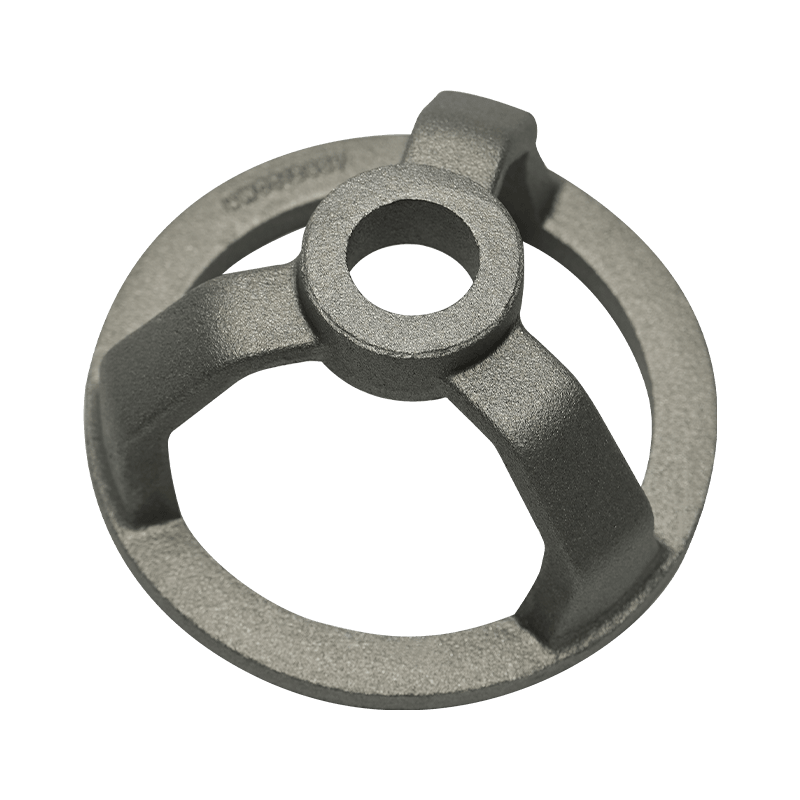
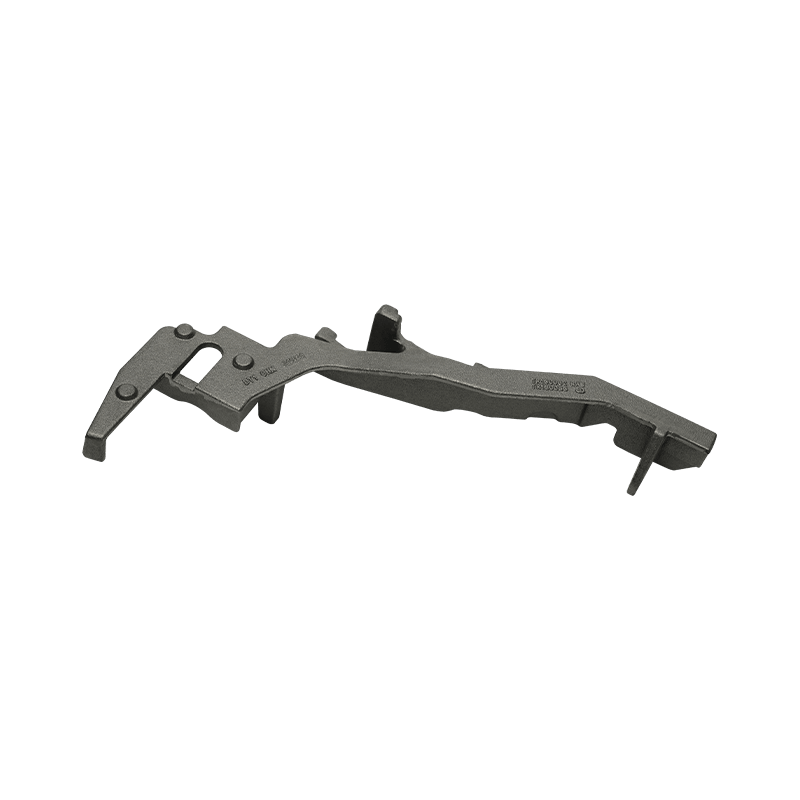
Grey cast iron is primarily used for engine blocks, machine tool bases, pipes, brake components, cookware, and construction hardware — applications where its excellent vibration damping, good compressive strength, and low cost outweigh the need for high tensile strength or ductility. It is one of the most widely cast metals in the world, accounting for the majority of all iron castings produced globally each year.
The "grey" in its name comes from the grey fracture surface caused by graphite flakes that form during solidification. These graphite flakes are the defining structural feature — they give grey cast iron its unique combination of machinability, damping capacity, and thermal conductivity, while also limiting its tensile strength to roughly 100–350 MPa.
Key Industrial Applications of Grey Cast Iron
Grey cast iron's usefulness spans a wide range of industries. Below are the most significant application categories, along with the reasons it is selected over competing materials.
Automotive and Engine Components
The automotive sector is the single largest consumer of grey cast iron. Engine blocks, cylinder heads, exhaust manifolds, and flywheel housings are routinely cast in grey iron — particularly in grades such as ASTM A48 Class 30 or Class 40. The material's ability to absorb and dissipate vibration reduces noise and extends component life under cyclic thermal and mechanical loading.
- Engine blocks: Grey iron retains dimensional stability at operating temperatures up to ~230 °C, making it suitable for most passenger car and commercial vehicle engines.
- Brake drums and rotors: Its high thermal conductivity (~46 W/m·K) allows rapid heat dissipation during braking; its hardness (170–290 HB) provides wear resistance.
- Exhaust manifolds: Resistance to thermal cycling and oxidation at elevated temperatures makes grey iron a standard choice where stainless steel would be over-specified and costly.
Machine Tools and Industrial Machinery
Machine tool builders have relied on grey cast iron for lathe beds, milling machine columns, and press frames for over a century. The primary reason is vibration damping capacity approximately 20–25 times greater than steel, which reduces tool chatter and improves surface finish accuracy.
- Lathe beds and slideways: Self-lubricating graphite flakes reduce friction on sliding surfaces without additional coatings.
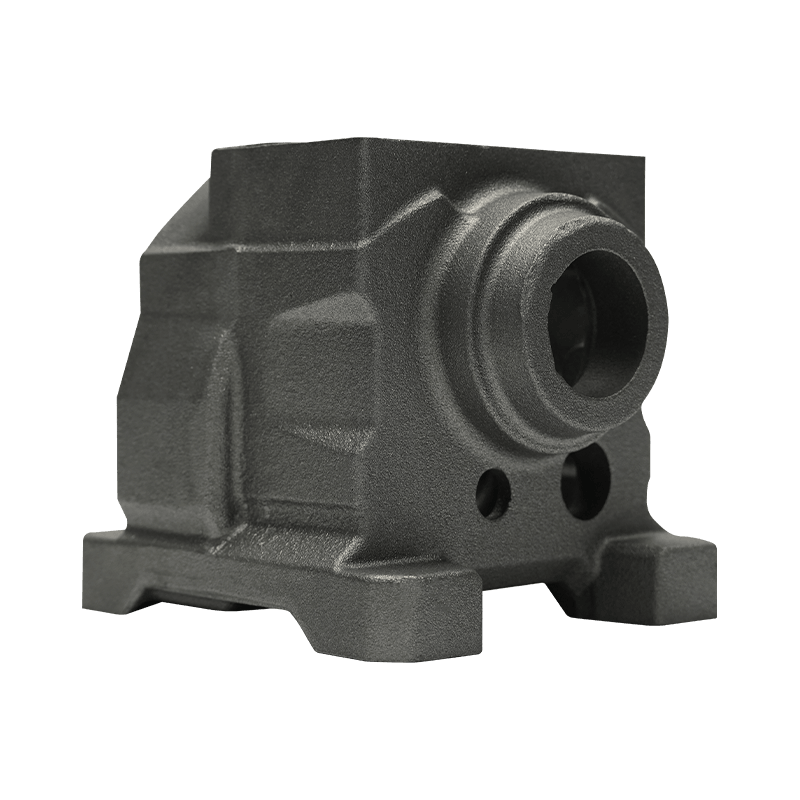
- Pump housings and valve bodies: Good machinability and pressure-tightness make grey iron ideal for hydraulic and pneumatic systems up to moderate pressures.
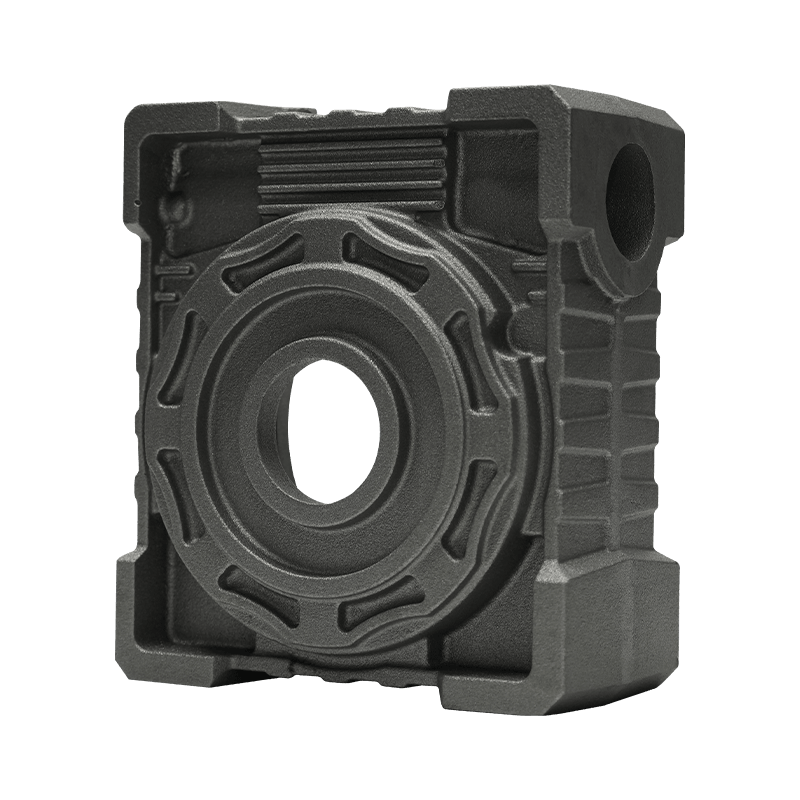
- Compressor and gearbox housings: Rigidity under compressive loads combined with ease of casting complex geometries reduces manufacturing cost significantly.
Pipes and Water Infrastructure
Grey cast iron pipes were the backbone of municipal water and gas distribution systems throughout the 19th and 20th centuries. Many systems installed more than 100 years ago remain in service today. While ductile iron has replaced grey iron for new installations due to better impact resistance, grey iron's corrosion resistance and long service life in buried environments still make it a relevant reference material in infrastructure assessment.
Cookware and Household Goods
Cast iron cookware — skillets, Dutch ovens, griddle pans — is manufactured predominantly from grey cast iron. Its heat retention and even distribution make it preferred for slow cooking, searing, and baking. Brands such as Lodge (USA) and Le Creuset (enameled variants) have popularized grey iron cookware globally. A well-seasoned grey iron skillet can last generations with minimal maintenance.
Construction and Architectural Hardware
Manhole covers, drainage grates, lamp post bases, balustrades, and decorative architectural elements are frequently produced in grey cast iron. Its compressive strength (600–1,400 MPa) far exceeds its tensile strength, making it well-suited for load-bearing applications in compression. EN 124 standard specifies grey iron manhole covers for pedestrian and light vehicular traffic loads.
Grey Cast Iron Grades and Their Properties
Grey cast iron is standardized under several classification systems. The most common are ASTM A48 (USA) and ISO 185 / EN-GJL (Europe). Grade selection is driven by the required tensile strength and application environment.
| ASTM Grade | Min. Tensile Strength (MPa) | Typical Hardness (HB) | Common Applications |
|---|---|---|---|
| Class 20 | 138 | 156–219 | Decorative castings, low-stress housings |
| Class 30 | 207 | 187–241 | Engine blocks, pump bodies, machine frames |
| Class 40 | 276 | 217–269 | Cylinder heads, hydraulic cylinders, brake components |
| Class 50 | 345 | 241–285 | Heavy-duty machine tool components, dies |
| Class 60 | 414 | 269–321 | Wear-resistant parts, rolls, high-stress castings |
Why Grey Cast Iron Is Chosen Over Other Materials
Material selection for castings involves trade-offs across mechanical performance, manufacturing cost, and service requirements. Grey cast iron wins consistently in several dimensions:
Cost Efficiency
Grey cast iron is among the least expensive engineering metals per kilogram. Raw material costs, low melting point (~1,200 °C vs. ~1,500 °C for steel), high fluidity during casting, and near-net-shape production combine to reduce total manufacturing cost substantially. For large, complex parts like engine blocks, grey iron typically costs 30–50% less to produce than an equivalent aluminum part at comparable volumes.
Machinability
The graphite flakes act as chip-breakers, making grey cast iron one of the easiest ferrous metals to machine. It produces short, brittle chips rather than long stringy ones, reducing tool wear and machining time. Grey iron is typically rated with a machinability index of 70–80% relative to free-cutting steel (AISI 1212 = 100%).
Vibration Damping
The graphite network provides internal friction that dissipates mechanical energy. Grey cast iron's damping capacity is 20–25× that of structural steel, which is why precision machine tool manufacturers continue to use it despite the availability of lighter alternatives.
Wear Resistance and Self-Lubrication
Graphite flakes at the surface act as a solid lubricant, reducing friction in sliding contact applications. This property is exploited in cylinder bores, lathe slideways, and bushing applications where consistent film lubrication is difficult to maintain.
Limitations That Affect Application Choice
Grey cast iron is not a universal solution. Engineers must account for its known limitations when selecting it for a given application:
- Low tensile strength: At 100–350 MPa, it is significantly weaker in tension than ductile iron (≥400 MPa) or steel (≥400 MPa), making it unsuitable for parts subjected to bending or impact loads.
- Brittleness: Near-zero ductility (elongation typically <1%) means grey iron cracks rather than deforms plastically under sudden overload. It is not appropriate for structural members that must absorb impact energy.
- Poor weldability: High carbon content makes grey iron prone to cracking during and after welding without preheat and post-weld heat treatment. Field repairs are difficult.
- Weight: At a density of ~7.15 g/cm³, grey iron is heavier than aluminum (~2.7 g/cm³) or magnesium alloys, limiting its use in weight-sensitive applications such as aircraft components or modern EV powertrains where weight reduction is critical.
- Corrosion in aggressive environments: Without surface treatment or alloying additions (e.g., nickel, chromium), grey iron corrodes in acidic or saline environments faster than stainless steel alternatives.
Grey Cast Iron vs. Ductile Iron vs. White Cast Iron
Understanding how grey iron compares to its cast iron siblings helps clarify when to specify each material:
| Property | Grey Cast Iron | Ductile (Nodular) Iron | White Cast Iron |
|---|---|---|---|
| Graphite Form | Flakes | Nodules/Spheroids | None (cementite) |
| Tensile Strength | 100–350 MPa | 400–900 MPa | ~275 MPa |
| Elongation | <1% | 2–18% | ~0% |
| Vibration Damping | Excellent | Good | Poor |
| Machinability | Excellent | Good | Very Poor |
| Wear Resistance | Good | Moderate | Excellent |
| Relative Cost | Low | Medium | Low–Medium |
When tensile strength or impact resistance is required alongside casting capability, engineers typically upgrade to ductile iron. When extreme hardness and abrasion resistance are needed (e.g., grinding balls, liner plates), white cast iron is specified despite its brittle nature.
Emerging and Niche Applications
While lighter materials are displacing grey iron in some automotive applications, it continues to find new and sustained use in several areas:
- Wind turbine housings: Large nacelle frames and gearbox housings in wind energy systems use grey and ductile iron due to the ability to produce large, complex castings at reasonable cost.
- Electric vehicle brake components: Despite EV powertrain shifts away from combustion engines, brake rotors in EVs remain predominantly grey cast iron, as regenerative braking has not eliminated the need for friction braking.
- Fire hydrants and valve housings: Grey iron is still specified for municipal fire hydrants in many countries under standards such as AWWA C502, owing to proven performance and low life-cycle cost.
- Outdoor and garden furniture: The material's castability into ornate shapes and its weather resistance after coating make it a preferred choice for benches, tables, and decorative garden fixtures.
How to Select the Right Grey Iron Grade for Your Application
Selecting the correct grade involves evaluating five key factors:
- Mechanical load type: Compressive loads — use lower grades (Class 20–30). Combined or cyclic loads — use higher grades (Class 40–50).
- Section thickness: Thicker sections cool more slowly, producing more graphite and softer, lower-strength iron. Thin sections may require alloy additions to achieve target hardness.
- Machining requirements: Parts requiring extensive precision machining benefit from lower hardness grades (Class 20–30); heavily loaded wear surfaces may need Class 50–60.
- Thermal requirements: Applications with sustained temperatures above 400 °C may require silicon-alloyed (SiMo) grey iron or a switch to ductile iron.
- Surface finish and corrosion needs: Specify appropriate coatings (powder coat, epoxy, bitumen lining) or consider alloyed grades for corrosive environments.