

 English
 русский
 Deutsch
Content
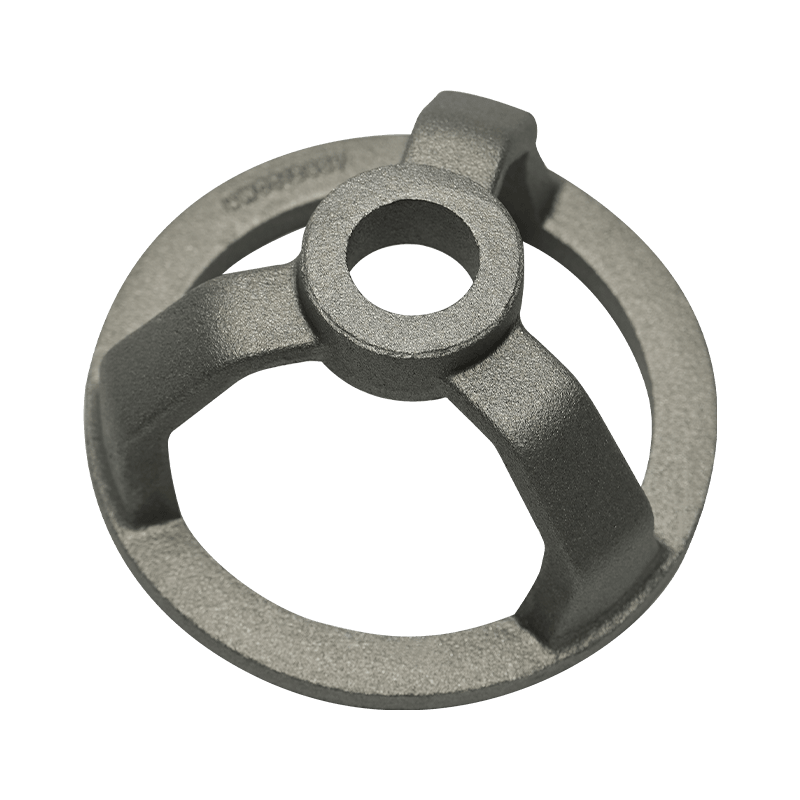
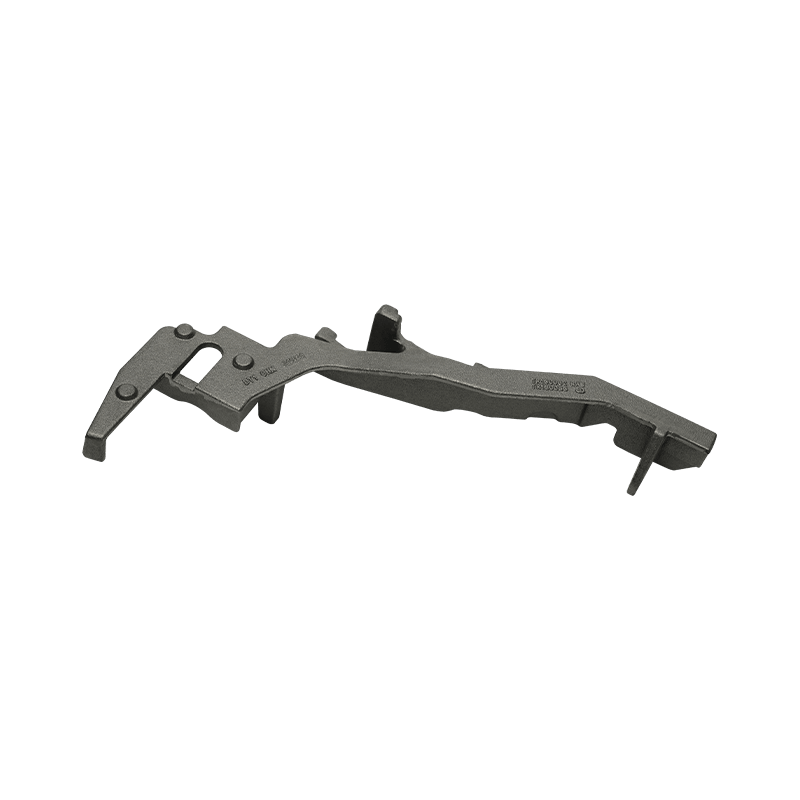
The main advantages of gray cast iron are excellent vibration damping, superior machinability, high compressive strength, low production cost, and strong wear resistance. These properties come from its unique microstructure — flake-shaped graphite embedded in an iron matrix — which sets gray cast iron apart from steel, ductile iron, and aluminum alloys in specific engineering applications. It remains one of the most widely used metals for machine bases, engine blocks, pipes, and cookware more than a century after its industrial adoption.
This article breaks down each major advantage of gray cast iron with supporting data, explains where these properties matter most, and compares gray cast iron to alternative materials so you can judge whether it fits your application.
What Makes Gray Cast Iron Different
Gray cast iron is an iron-carbon alloy containing 2.5% to 4% carbon and 1–3% silicon, cast in a way that causes carbon to precipitate as graphite flakes rather than remaining chemically combined as cementite. When fractured, the exposed graphite gives the surface a gray appearance — the origin of its name.
These graphite flakes are the source of nearly every practical advantage gray cast iron offers. They act as internal stress relievers, lubricant reservoirs, and vibration absorbers, which is why gray cast iron behaves so differently from steel despite sharing a similar base composition.
Excellent Vibration Damping Capacity
Gray cast iron's most distinctive advantage is its ability to absorb mechanical vibration. The graphite flakes interrupt sound and shock wave transmission through the metal, converting vibrational energy into heat. Testing shows gray cast iron has a damping capacity up to 10 times higher than steel, which is why it remains the standard material for:
- Machine tool beds and lathe frames, where vibration reduces cutting precision
- Engine blocks and cylinder heads, which dampen combustion-induced vibration
- Pump housings and compressor bases exposed to continuous mechanical cycling
This is a key reason precision machinery manufacturers still choose gray cast iron over welded steel fabrications, even though steel offers higher tensile strength.
Superior Machinability
Graphite flakes act as an internal lubricant during cutting, allowing tools to shear through the material with less friction and heat buildup. As a result, gray cast iron can be machined at higher cutting speeds and with less tool wear than steel of comparable hardness, while also producing shorter, more manageable chips instead of long stringy ones.
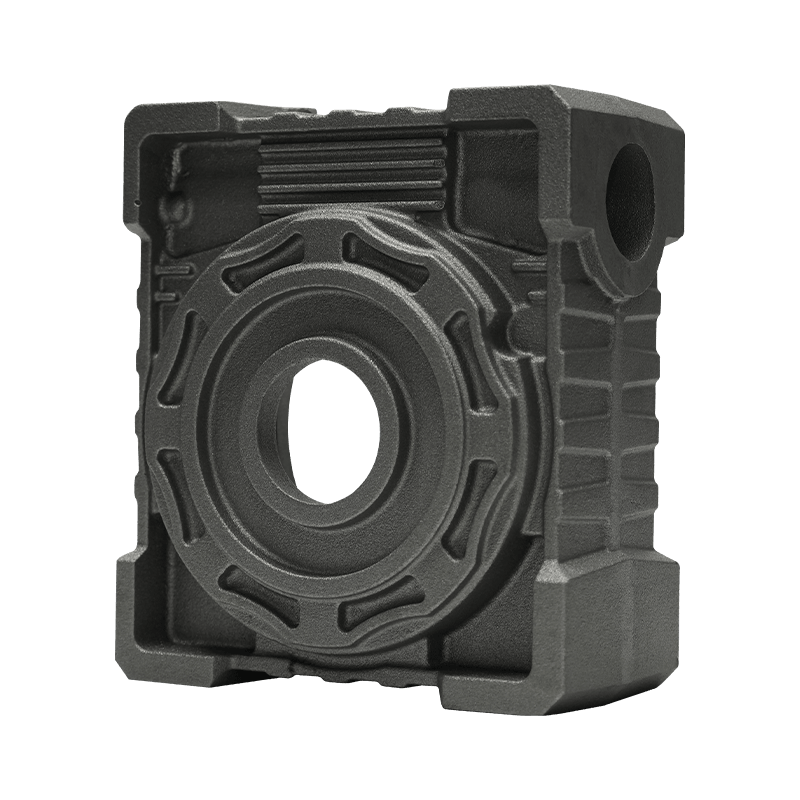
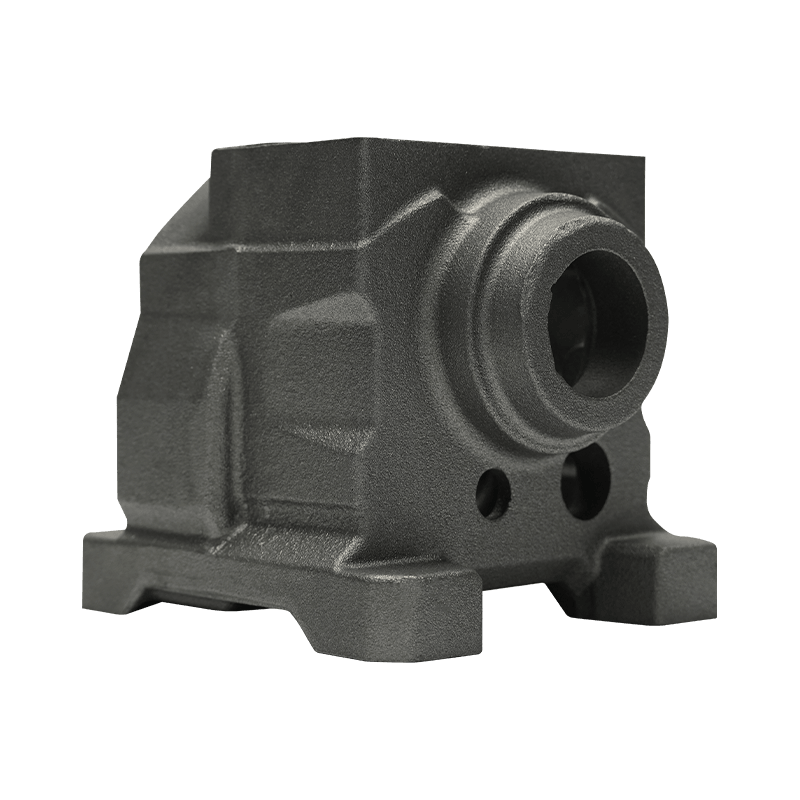
This machinability advantage directly reduces manufacturing costs. Facilities producing high volumes of cast components — such as valve bodies, gearbox housings, and brake rotors — rely on this property to keep cycle times short and tooling costs low.
High Compressive Strength
While gray cast iron is brittle under tension, it performs very well under compression. Typical compressive strength values reach up to 3 to 4 times its tensile strength, making it well suited to load-bearing applications where forces are primarily compressive rather than tensile or impact-based.
| Grade (ASTM A48) | Tensile Strength | Compressive Strength |
|---|---|---|
| Class 20 | 138 MPa | 572 MPa |
| Class 30 | 207 MPa | 752 MPa |
| Class 40 | 276 MPa | 965 MPa |
This makes gray cast iron a practical choice for structural bases, foundation plates, and housings that primarily bear static or compressive loads rather than dynamic tensile stress.
Good Wear and Galling Resistance
The free graphite in gray cast iron provides a self-lubricating surface, reducing metal-to-metal friction in sliding or rotating applications. This is particularly valuable for components subject to repeated contact, such as:
- Cylinder liners and piston rings in internal combustion engines
- Brake drums and rotors, where consistent friction performance matters
- Machine slideways and guide rails subject to constant sliding contact
This natural lubricity reduces the need for constant external lubrication and extends component service intervals in many mechanical systems.
Low Production Cost
Gray cast iron is one of the most economical engineering metals to produce. It has a lower melting point than steel (around 1,200°C versus 1,370°C), which reduces furnace energy consumption. It also has excellent fluidity in the molten state, allowing it to fill complex mold cavities with fine detail and thin sections without extensive post-processing.
Additionally, gray cast iron shrinks less during solidification than many alloys, which reduces the risk of casting defects and rework. Combined with widespread scrap-iron recyclability, these factors keep raw material and processing costs significantly lower than for cast steel or aluminum alloys of comparable size.
Comparing Gray Cast Iron to Other Materials
Choosing between gray cast iron and alternatives depends on whether the application prioritizes strength, toughness, or damping and cost. The table below highlights the practical trade-offs.
| Property | Gray Cast Iron | Ductile Iron | Cast Steel |
|---|---|---|---|
| Vibration Damping | Excellent | Moderate | Poor |
| Machinability | Excellent | Good | Fair |
| Impact Resistance | Low (brittle) | High | High |
| Relative Production Cost | Low | Moderate | High |
In short, gray cast iron wins on cost, damping, and machinability, while ductile iron and cast steel are better suited to applications requiring high tensile strength or resistance to impact and shock loading.
Best Applications for Gray Cast Iron
Given its property profile, gray cast iron is best applied where compressive loading, vibration damping, and cost efficiency matter more than tensile strength or ductility. Common applications include:
- Engine blocks, cylinder heads, and flywheels in automotive manufacturing
- Machine tool beds, columns, and bases for CNC and manual machinery
- Pipes and fittings for low-pressure water and drainage systems
- Cookware such as skillets and Dutch ovens, valued for heat retention
- Manhole covers, counterweights, and structural bases
For any application involving repeated impact, sudden shock loading, or high tensile stress, ductile iron or steel remains the safer choice, since gray cast iron's brittleness under tension is its main limitation.
Frequently Asked Questions
Is gray cast iron stronger than steel?
No. Steel has significantly higher tensile strength and impact resistance. Gray cast iron's advantage lies in compressive strength, vibration damping, and machinability rather than raw tensile strength.
Why is gray cast iron used for engine blocks?
Its high vibration damping and thermal stability reduce engine noise and resist warping under repeated heating and cooling cycles, while its machinability keeps manufacturing costs down.
Can gray cast iron be welded?
It can be welded, but it requires preheating and controlled cooling to prevent cracking, since its brittleness and graphite structure make it more prone to thermal stress fractures than steel.