

 English
 русский
 Deutsch
Content
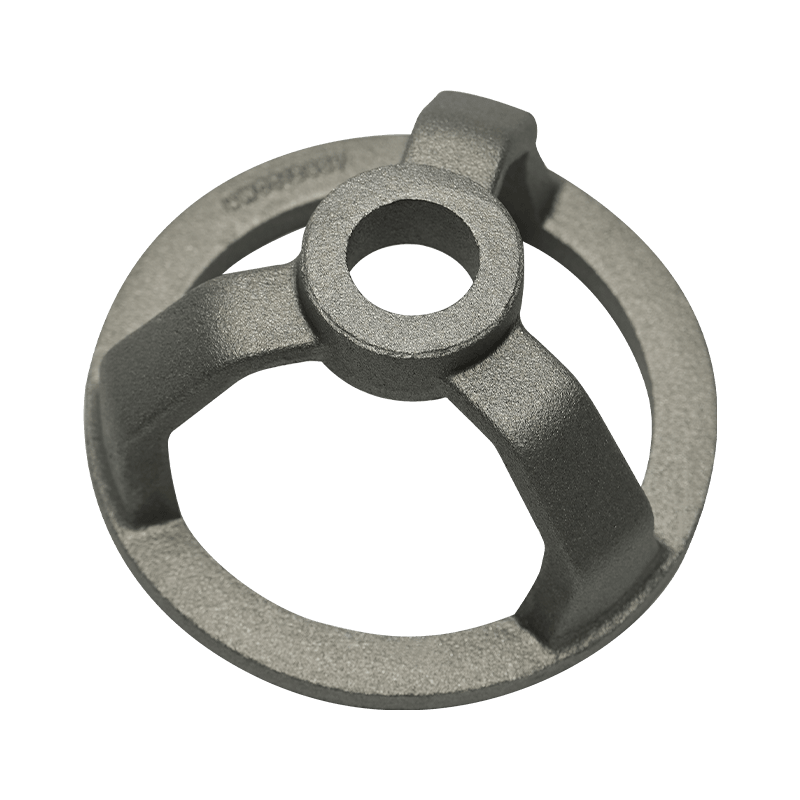
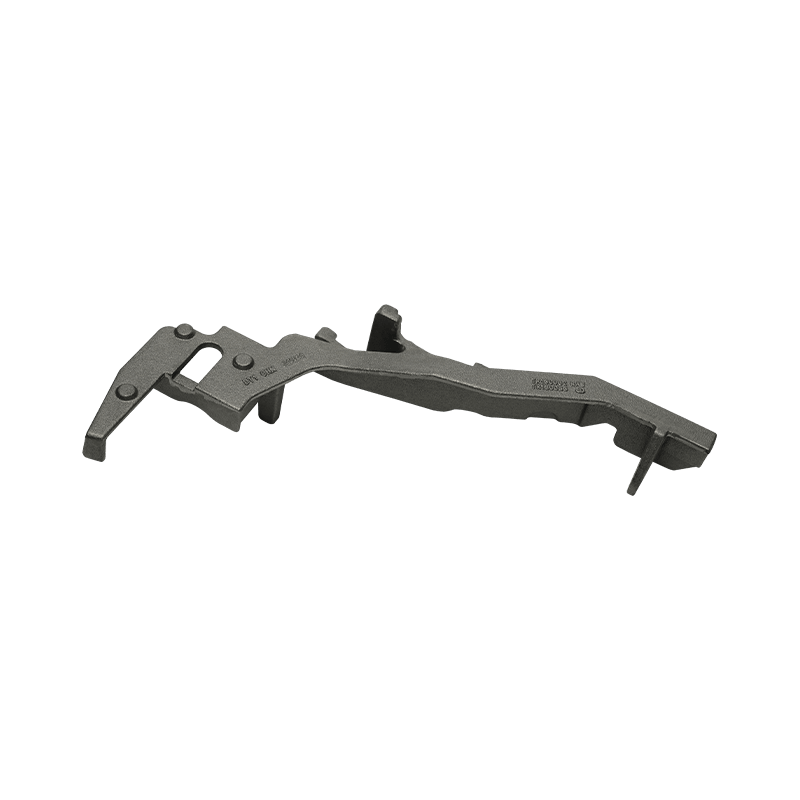
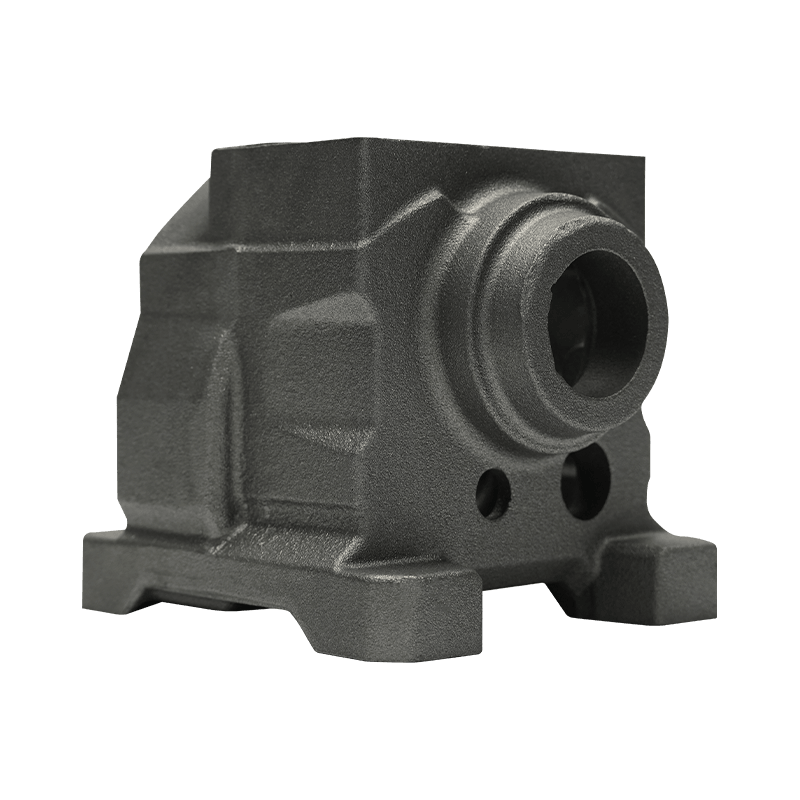
The automotive industry continually seeks ways to improve vehicle performance, safety, and durability. One material that has significantly contributed to these advancements is ductile cast iron. Over the years, this material has become increasingly popular in the production of automotive parts due to its superior mechanical properties, including enhanced strength, toughness, and resistance to wear.
What is Ductile Cast Iron?
Before diving into its applications in the automotive industry, it's important to understand what ductile cast iron is. Unlike traditional cast iron, which has a flake-like graphite structure, ductile cast iron contains spherical graphite nodules. This unique structure improves the material's ductility, making it more flexible and resistant to cracking under stress. This transformation is achieved by adding a small amount of magnesium during the production process, which causes the graphite to form into nodules instead of flakes.
This structural difference significantly improves the mechanical properties of the material. Ductile cast iron is stronger, more durable, and more resistant to shock and impact compared to conventional grey cast iron. These qualities make it an ideal choice for many high-stress automotive parts.
The Role of Ductile Cast Iron in Automotive Parts
The use of ductile cast iron in automotive parts is becoming more widespread as manufacturers demand materials that offer a balance of strength, durability, and cost-effectiveness. Below are some of the key automotive parts where ductile cast iron is making a significant impact:
Engine Blocks and Crankshafts
The engine block is one of the most critical components in any vehicle. It houses many essential parts, such as cylinders, pistons, and the crankshaft, and bears the brunt of the engine's high-pressure, high-temperature environment. Ductile cast iron automotive parts, like engine blocks, offer excellent strength and wear resistance while maintaining the necessary castability for complex shapes.
Benefits of Ductile Cast Iron for Engine Blocks:
- Enhanced Strength: The increased tensile strength of ductile cast iron automotive parts makes them ideal for high-stress engine environments.
- Durability: Ductile cast iron automotive parts are resistant to cracking and wear, ensuring the engine block lasts longer, even under extreme conditions.
- Cost-Effectiveness: Despite its superior properties, ductile cast iron remains cost-effective compared to other materials like steel or aluminum.
Similarly, the crankshaft, which converts the linear motion of the pistons into rotational motion, also benefits from ductile cast iron’s superior mechanical properties. The material's resistance to fatigue and impact makes it ideal for high-performance engines in both passenger vehicles and heavy-duty trucks.
Brake Systems
The brake system is another critical safety feature in vehicles, and the materials used must provide both strength and durability. Ductile cast iron automotive parts, such as brake rotors and caliper components, are commonly used in brake systems due to their excellent performance in high-temperature environments.
Benefits of Ductile Cast Iron for Brake Parts:
- Heat Resistance: Ductile cast iron automotive parts can dissipate heat efficiently, which is crucial for brake rotors, which experience extreme temperatures during operation.
- Strength and Toughness: The material’s strength ensures that brake components can withstand the forces generated when the vehicle slows down or stops.
- Vibration Damping: Ductile cast iron is known for its excellent vibration damping properties, reducing brake noise and enhancing the driving experience.
By using ductile cast iron for these components, manufacturers are able to produce brake systems that are more durable and reliable, contributing to safer driving conditions.
Suspension Systems
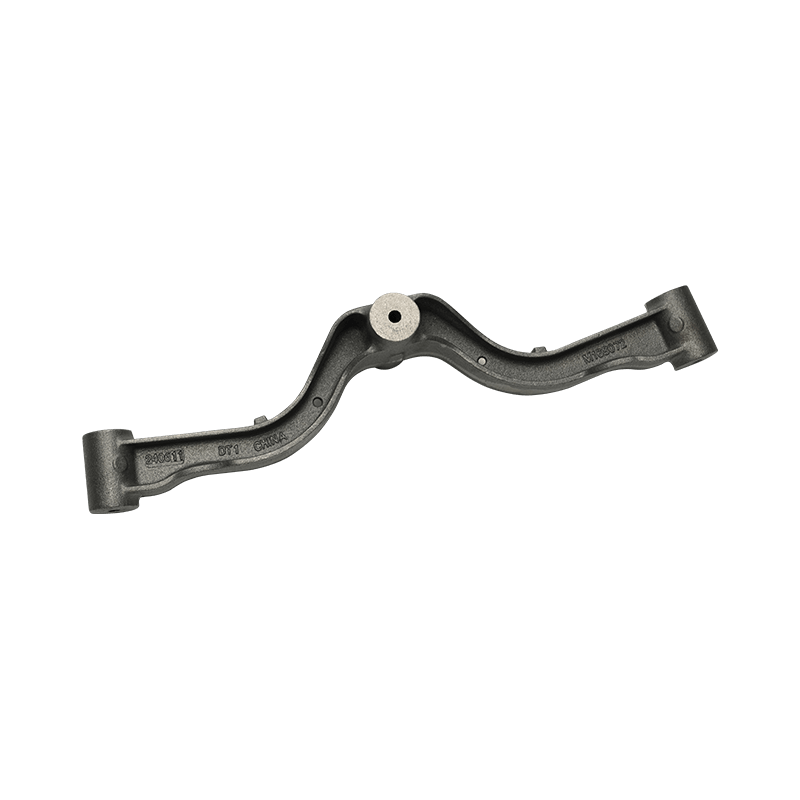
The suspension system is designed to absorb shocks and maintain vehicle stability, especially when driving over uneven surfaces. Parts like control arms, steering knuckles, and spindles play a significant role in ensuring that the vehicle handles properly. Ductile cast iron automotive parts are increasingly being used for these components because of its high strength-to-weight ratio and ability to withstand repeated stress.
Benefits of Ductile Cast Iron for Suspension Parts:
- Strength and Durability: Ductile cast iron automotive parts handle the repetitive loads and stresses that suspension parts experience while ensuring long-lasting durability.
- Impact Resistance: The material’s toughness ensures that suspension components can withstand shocks and impacts from rough roads without cracking or breaking.
- Cost-Effectiveness: While materials like aluminum may be lighter, ductile cast iron offers a more affordable solution with comparable or superior strength.
The combination of strength, impact resistance, and affordability makes ductile cast iron an excellent choice for suspension system components that must endure high levels of stress and wear.
Transmission and Drivetrain Components
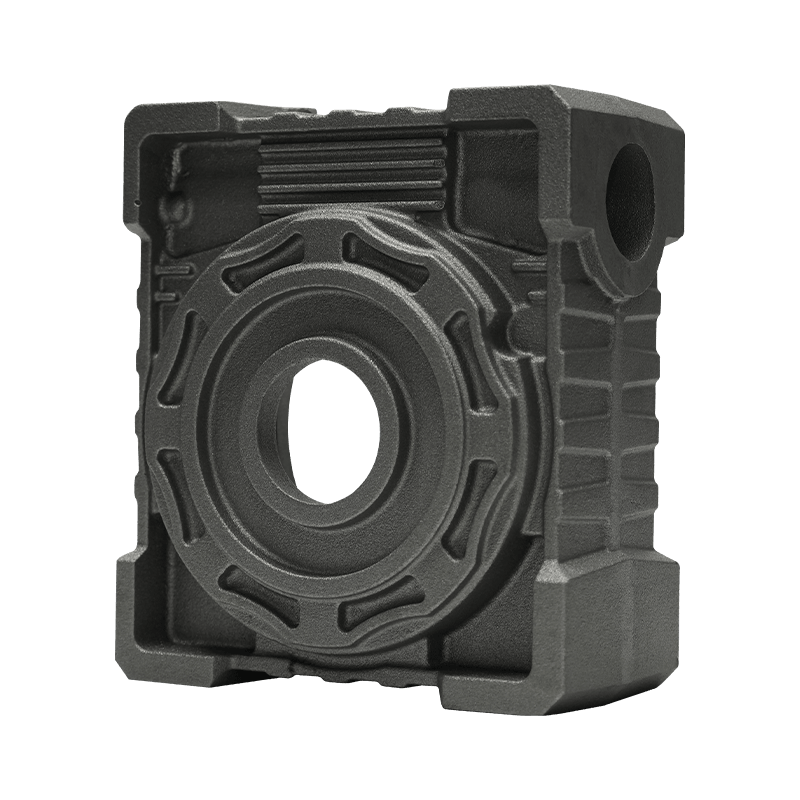
Ductile cast iron is also commonly used in various components of the transmission and drivetrain, such as housing and gears, due to its durability and ability to perform well under constant mechanical stress.
Benefits of Ductile Cast Iron for Transmission Parts:
- Wear Resistance: Ductile cast iron automotive parts resist wear, which is essential for transmission components that undergo constant friction and movement.
- High Load Bearing: Ductile cast iron can bear heavy loads, ensuring that the transmission functions efficiently under high torque conditions.
- Improved Fatigue Resistance: The material's resistance to fatigue ensures that components last longer, reducing the need for frequent repairs.
By using ductile cast iron in drivetrain components, manufacturers can ensure that vehicles have reliable, long-lasting performance in power transmission systems.
Exhaust Manifolds and Headers
Exhaust manifolds and headers are responsible for directing exhaust gases from the engine to the exhaust system. These parts are subjected to extremely high temperatures and need to be durable and resistant to thermal stress. Ductile cast iron automotive parts are well-suited for this application due to their high-temperature resistance and thermal stability.
Benefits of Ductile Cast Iron for Exhaust Components:
- Thermal Resistance: Ductile cast iron automotive parts can withstand the high temperatures of exhaust gases without degrading.
- Strength at Elevated Temperatures: The material maintains its strength even when exposed to extreme heat, ensuring the exhaust system operates effectively.
- Corrosion Resistance: Ductile cast iron is less prone to corrosion compared to other materials, making it suitable for use in exhaust systems exposed to moisture and heat.
The use of ductile cast iron in exhaust manifolds and headers improves both the performance and longevity of these components.
Improving Safety with Ductile Cast Iron Automotive Parts
Safety is a top priority for the automotive industry, and ductile cast iron automotive parts play a significant role in enhancing vehicle safety. The material's impact resistance, strength, and toughness make it particularly effective in preventing failure in critical components, such as brake systems, suspension parts, and engine blocks. By reducing the risk of component failure, ductile cast iron helps protect passengers and ensures the vehicle performs reliably under various driving conditions.
Additionally, ductile cast iron’s ability to dampen vibrations contributes to a smoother ride and reduces the likelihood of structural damage over time. This is especially important for components like suspension arms and brake rotors, which must maintain their integrity even after repeated use.
Enhancing Durability and Longevity
Durability is another key advantage of ductile cast iron automotive parts. Components made from this material exhibit improved wear resistance, fatigue resistance, and corrosion resistance, all of which contribute to a longer lifespan for the vehicle.
- Wear Resistance: Ductile cast iron automotive parts are less prone to wear in high-friction applications, such as brake rotors and engine parts, extending the life of these components.
- Fatigue Resistance: The material’s toughness ensures that it can endure repeated cycles of stress without cracking or failing.
- Corrosion Resistance: Ductile cast iron's ability to resist corrosion ensures that parts exposed to the elements, such as exhaust manifolds and brake components, maintain their integrity over time.
These properties help reduce the frequency of repairs and replacements, ultimately lowering maintenance costs and increasing the overall reliability of the vehicle.