

 English
 русский
 Deutsch
Content
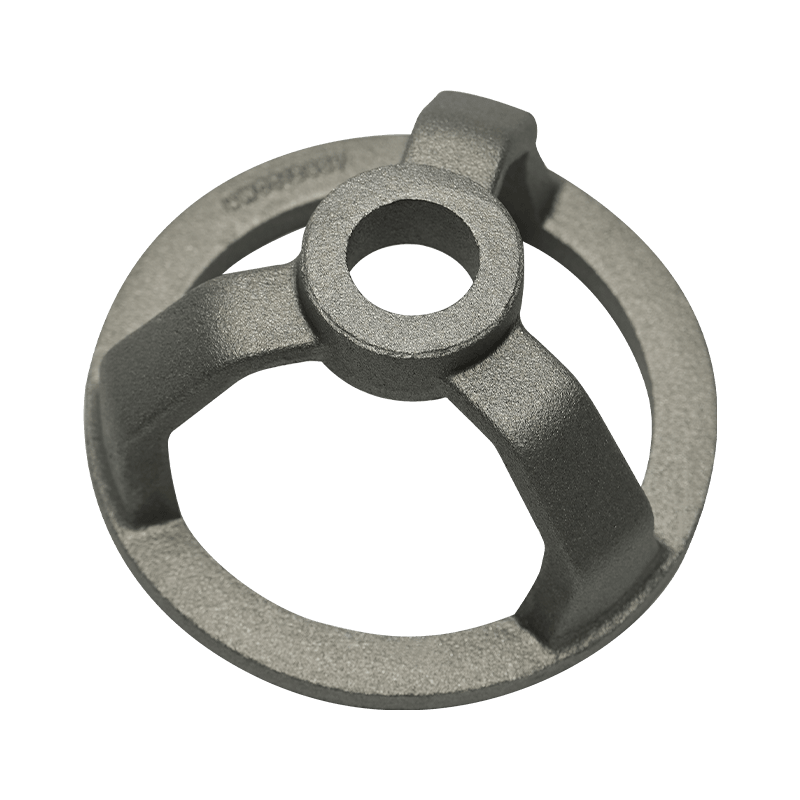
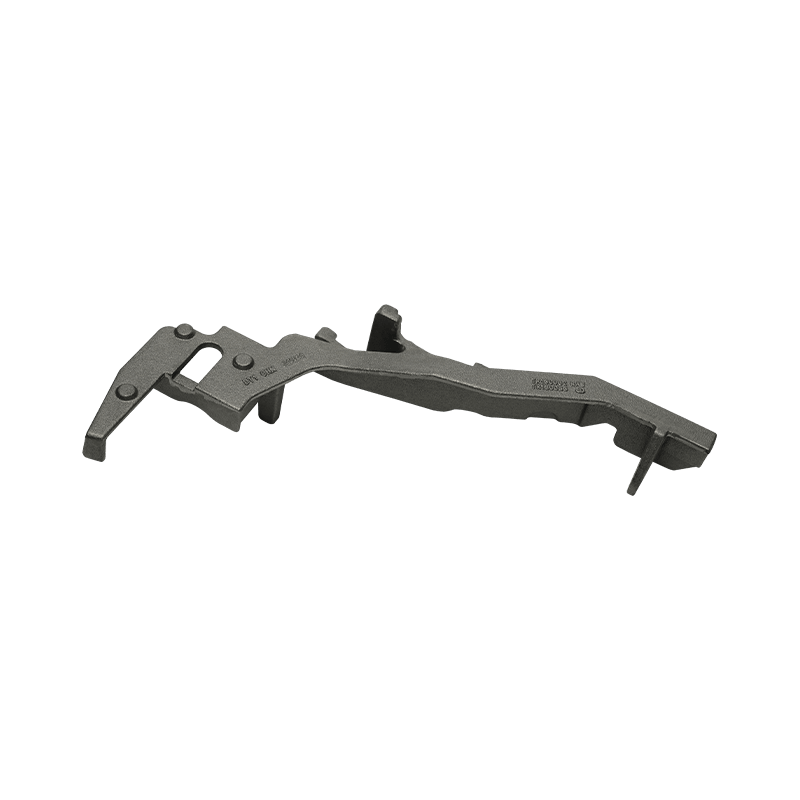
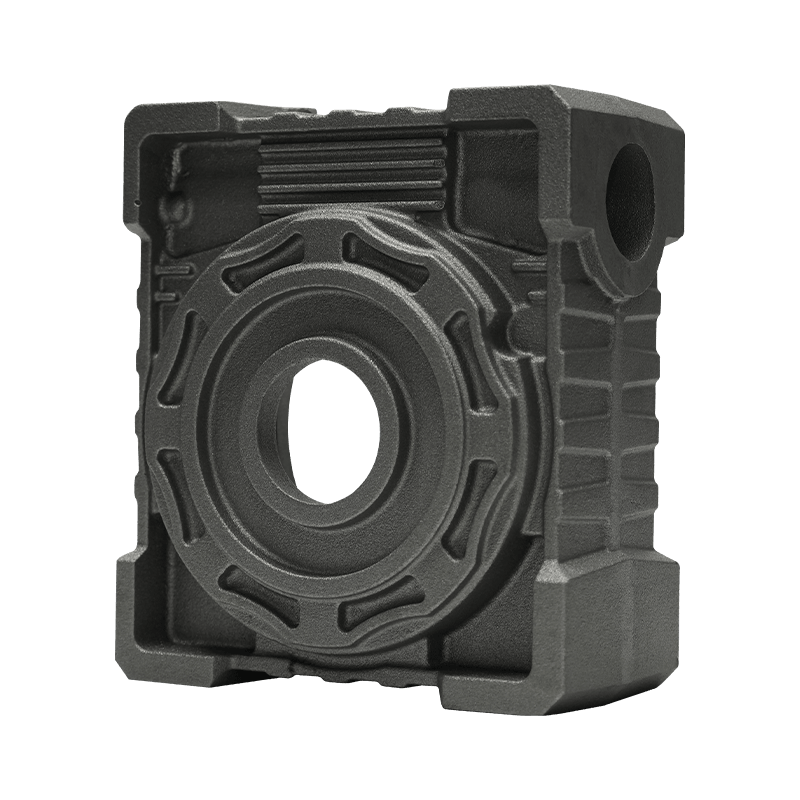
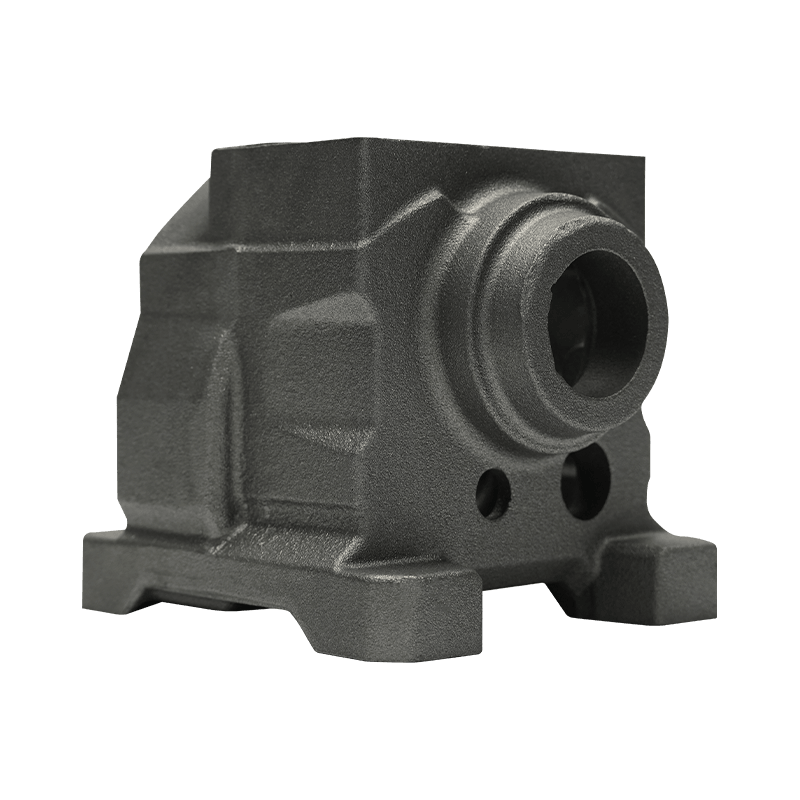
In modern industrial applications, gearboxes are essential components that enable the transfer of mechanical power across machines, ensuring smooth operation and efficiency. Whether in manufacturing, automotive, or energy industries, gearboxes play a pivotal role in transmitting torque and controlling speed. To optimize gearbox performance, the materials used for components like reducers and their accessories are crucial. Ductile cast iron, with its combination of strength, durability, and cost-effectiveness, has emerged as a preferred material for reducer accessories.
What is Ductile Cast Iron?
Ductile cast iron, also known as nodular cast iron or spheroidal graphite iron, is a type of cast iron that contains graphite in the form of small, spherical nodules. The unique structure of ductile cast iron is achieved by adding magnesium to molten iron, which causes the graphite to form nodules instead of the typical flake shape found in traditional cast iron. This modification results in a material that is much stronger, tougher, and more resistant to fatigue and impact than standard grey cast iron.
The mechanical properties of ductile cast iron—such as its high tensile strength, excellent wear resistance, and ability to absorb shock—make it ideal for demanding applications. These properties are especially advantageous for reducer accessories, which often experience high stress and wear during operation in gearboxes.
The Role of Reducer Accessories in Gearbox Performance
In a gearbox, reducers are used to modify the speed and torque output. These components play a crucial role in controlling the performance and efficiency of machinery. The reducer consists of several moving parts, and the accessories—such as gears, bearings, housings, and shafts—must work together seamlessly to ensure smooth operation.
Reducer accessories must be durable, resistant to wear, and capable of handling high levels of mechanical stress and vibration. The material choice for these accessories directly affects the overall performance and longevity of the gearbox.
How Ductile Cast Iron Improves Gearbox Performance
Enhanced Durability and Longevity
One of the most significant benefits of ductile cast iron in reducer accessories is its outstanding durability. The unique structure of ductile cast iron allows it to endure harsh operating conditions without succumbing to wear, corrosion, or cracking. This durability translates into longer-lasting gearbox components, reducing the frequency of maintenance and replacement.
In industrial machinery, reducers are exposed to constant pressure, friction, and stress. Without durable materials, the components can quickly degrade, leading to equipment failure and costly downtime. Ductile cast iron offers an extended lifespan for reducer accessories, ensuring that the gearbox remains operational for a longer period before needing any significant maintenance.
- Improved Fatigue Resistance:Ductile cast iron can withstand repeated cycles of stress without cracking, making it ideal for reducers that are subjected to constant rotational forces.
- Wear Resistance:The material is highly resistant to wear, which is essential for components like gears and shafts that are in constant motion and subjected to friction.
By using ductile cast iron for reducer accessories, manufacturers can improve the overall reliability of the gearbox and extend the life of critical components.
High Impact Resistance
In high-performance gearboxes, such as those used in heavy-duty machinery or automotive applications, components like gears and shafts are often exposed to sudden shocks and vibrations. These forces can cause damage to traditional materials, leading to cracks, fractures, and even component failure.
Ductile cast iron is particularly known for its high impact resistance due to its spherical graphite structure. This structure allows the material to absorb and dissipate shock forces, preventing the brittle failure that often occurs with conventional cast iron or other materials.
- Reduced Risk of Cracking:Unlike grey cast iron, which can easily crack under impact, ductile cast iron retains its strength and integrity under sudden shocks.
- Shock Absorption:The material's ability to absorb shocks makes it ideal for reducing the risk of damage to sensitive components in a gearbox.
This enhanced impact resistance ensures that reducers with ductile cast iron accessories can perform reliably, even under high-stress conditions.
Improved Gearbox Efficiency
Efficiency is a critical factor in the performance of gearboxes, especially in applications where precision and smooth operation are necessary. The material used for reducer accessories directly influences how well the components interact with each other, affecting the overall efficiency of the gearbox.
Ductile cast iron helps improve gearbox efficiency in several ways:
- Reduced Friction:The material's excellent wear resistance minimizes the loss of energy due to friction between moving components, ensuring smoother operation.
- Precision Manufacturing:Ductile cast iron can be easily cast into precise shapes, allowing for more accurate and efficient meshing of gears and other reducer parts. This precision enhances the overall performance of the gearbox.
- Reduced Vibration:The material's vibration-damping properties ensure quieter and smoother operation, reducing energy losses and improving operational efficiency.
By using ductile cast iron reducer accessories, manufacturers can optimize gearbox performance, reducing energy consumption and improving the overall productivity of the machinery.
Cost-Effectiveness
Although ductile cast iron is generally more expensive than standard cast iron, its durability and long lifespan make it a cost-effective solution for reducer accessories in the long term. The material's ability to withstand wear and impact means fewer repairs and replacements, which can result in significant cost savings for operators and manufacturers.
- Lower Maintenance Costs:The durability of ductile cast iron reduces the need for frequent maintenance and part replacements, saving both time and money.
- Increased Reliability:The strength and toughness of ductile cast iron result in fewer breakdowns, which helps reduce operational downtime and maintenance costs.
By using ductile cast iron for reducer accessories, manufacturers can offer more reliable, cost-effective gearbox solutions that provide excellent value over the life of the equipment.
Better Load Distribution
Another advantage of ductile cast iron is its ability to handle high loads without deforming or cracking. Reducer accessories, such as gears and bearings, are often subjected to heavy loads during operation. If the material used is too weak or brittle, it can lead to deformation or failure of the components, reducing the overall performance of the gearbox.
Ductile cast iron distributes the load more evenly across the material, reducing the likelihood of localized stress points that could cause failure. This load distribution helps ensure that all components in the reducer, from the housing to the gears, perform optimally under heavy workloads.
- Improved Load Handling:The material's load-bearing capacity allows it to withstand high torque and heavy loads, making it ideal for use in demanding applications like industrial machinery, heavy trucks, and mining equipment.
- Increased Operational Stability:By handling heavy loads efficiently, ductile cast iron reducer accessories contribute to the overall stability of the gearbox, ensuring that it operates smoothly under various conditions.
Corrosion Resistance
Corrosion is a major concern in industrial applications, particularly when gearboxes are exposed to harsh environments like moisture, chemicals, or extreme temperatures. Ductile cast iron is highly resistant to corrosion, especially when alloyed with additional elements like chromium or nickel. This corrosion resistance makes it an ideal material for reducer accessories that are exposed to challenging operating environments.
- Prevention of Rusting:Ductile cast iron helps reduce the risk of rust and corrosion, which can degrade the performance of gearbox components.
- Improved Longevity in Harsh Conditions:The material's corrosion resistance ensures that reducer accessories maintain their integrity even when exposed to moisture, chemicals, or high humidity, contributing to longer service life.
By incorporating ductile cast iron into reducer accessories, manufacturers can create gearboxes that are better suited to operate in harsh, corrosive environments, reducing the risk of failure due to material degradation.