

 English
 русский
 Deutsch
Content
- 1 Understanding Ductile Cast Iron and Its Role in Robotics
- 2 The Importance of Reducing Downtime in Industrial Robotics
- 3 How Ductile Cast Iron Industrial Robot Accessories Reduce Downtime
- 4 The Role of Ductile Cast Iron in Enhancing Robotic Performance
- 5 Applications of Ductile Cast Iron Industrial Robot Accessories
Industrial robots are the cornerstone of modern manufacturing and automation. With their ability to perform repetitive tasks with precision and efficiency, they play a critical role in sectors such as automotive, electronics, pharmaceuticals, and more. However, the performance and reliability of industrial robots are heavily dependent on the quality and durability of their components. One of the key materials that have emerged as an ideal choice for industrial robot accessories is ductile cast iron.
Understanding Ductile Cast Iron and Its Role in Robotics
Ductile cast iron, also known as nodular cast iron or spheroidal graphite iron, is a type of cast iron that has been treated with small amounts of magnesium to improve its mechanical properties. This treatment alters the structure of the graphite in the iron, transforming it from a flaky form into spherical nodules. The result is a material that combines the advantages of both cast iron and steel, offering high tensile strength, impact resistance, flexibility, and corrosion resistance. These properties make ductile cast iron particularly well-suited for components that experience significant wear and stress, such as industrial robot accessories.
Industrial robots consist of multiple mechanical parts, including joints, arms, grippers, and frames, all of which need durable, reliable components to perform their functions effectively. By using ductile cast iron for critical robot accessories, manufacturers can ensure that their robots operate at peak efficiency for longer periods, minimizing downtime and maintenance costs.
The Importance of Reducing Downtime in Industrial Robotics
In any manufacturing environment, downtime is costly. Whether it’s a production line stoppage or an issue with robotic arms that halts operations, any period of inactivity can result in substantial financial losses. Downtime is not just about lost production; it also includes the costs associated with repairing or replacing damaged components, as well as the labor costs involved in troubleshooting and maintenance.
In the context of industrial robotics, downtime can arise from several factors, including mechanical failure, component wear and tear, and poor maintenance practices. To mitigate these issues, manufacturers focus on improving the reliability and durability of their robotic systems. By using ductile cast iron industrial robot accessories, these challenges can be significantly reduced, leading to smoother, more efficient operations.
How Ductile Cast Iron Industrial Robot Accessories Reduce Downtime
Enhanced Durability and Strength
One of the main advantages of ductile cast iron is its strength and durability. Industrial robots are subjected to intense mechanical forces, frequent motion cycles, and varying environmental conditions, all of which can cause wear and tear on their parts. Ductile cast iron’s superior strength allows it to withstand these stresses without compromising its integrity. Robot accessories made from ductile cast iron, such as joints, bearings, gearboxes, and frames, can endure prolonged use without cracking or breaking.
Unlike traditional cast iron, which is brittle and prone to fracture, ductile cast iron’s flexibility allows it to absorb shocks and vibrations more effectively. This property is particularly important in robotic systems, where constant movement and pressure can lead to the premature failure of less durable materials. As a result, ductile cast iron components are less likely to fail unexpectedly, reducing the need for frequent repairs and replacements, which in turn minimizes downtime.
Reduced Wear and Tear
Robots, especially those performing tasks like assembly, welding, or packaging, are subject to constant mechanical stress. Over time, this can lead to wear and tear on components, especially those that involve friction, such as gears, bearings, and linkages. Components made from ductile cast iron are designed to resist abrasion and fatigue, two common causes of component failure in industrial robots.
The wear resistance of ductile cast iron ensures that these robot accessories maintain their functionality over longer periods, even under continuous stress. For instance, robot arms and joints made from ductile cast iron can maintain their smooth operation without excessive friction, which reduces the likelihood of damage or degradation. By using ductile cast iron for high-stress components, manufacturers can improve the overall lifespan of their robots and reduce the frequency of maintenance and part replacements, leading to less downtime.
Corrosion Resistance
Many industrial robots operate in environments where exposure to moisture, chemicals, or harsh conditions is common. These elements can accelerate corrosion in metals, leading to component degradation and potential failure. Ductile cast iron is highly resistant to corrosion, especially when treated with coatings or surface treatments, making it an ideal material for robot accessories that are exposed to corrosive environments.
For example, in automated welding systems or robotic painting applications, where exposure to chemicals or high heat is frequent, ductile cast iron can withstand these harsh conditions for extended periods without deteriorating. The corrosion resistance of ductile cast iron helps prevent rust, pitting, and other forms of corrosion that could compromise the performance of robotic systems. This reduces the need for frequent repairs or replacements due to rust damage, ultimately contributing to lower maintenance costs and less downtime.
Improved Precision and Stability
Ductile cast iron components, such as robotic arms, frames, and base supports, are manufactured to high standards of precision. In industrial robotics, even small deviations in alignment or movement can result in operational inefficiencies or defective products. The stability and rigidity of ductile cast iron help ensure that robot accessories maintain their precise shapes and functions over time.
The material’s ability to maintain its structural integrity under stress ensures that robot systems remain stable, even under heavy workloads. This is particularly critical for robot arms used in precision tasks like assembly or machining, where any misalignment can lead to defects in the final product. By using ductile cast iron, manufacturers can reduce the likelihood of errors caused by mechanical failure or component instability, improving the overall efficiency of the robotic system.
Lower Maintenance Costs
Ductile cast iron industrial robot accessories are known for their long lifespan and reduced wear rates, which directly translate to lower maintenance costs. The durability and resistance to fatigue of ductile cast iron reduce the frequency of repairs and replacements, which can be expensive in terms of both labor and materials.
By using ductile cast iron in critical robot accessories, manufacturers can minimize the time and money spent on routine maintenance tasks, such as lubrication, adjustments, and part replacements. With fewer breakdowns and a reduced need for constant maintenance, companies can achieve higher operational efficiency and lower total ownership costs for their robotic systems.
The Role of Ductile Cast Iron in Enhancing Robotic Performance
Beyond reducing downtime and maintenance costs, ductile cast iron also plays a significant role in enhancing the overall performance of industrial robots. The mechanical properties of ductile cast iron—such as its high strength, wear resistance, and thermal stability—ensure that robots can operate smoothly and efficiently, even under challenging conditions.
The precision and stability of ductile cast iron components enable robots to carry out tasks with greater accuracy, which is crucial in industries that require tight tolerances, such as electronics manufacturing, medical device production, and automotive assembly. By incorporating ductile cast iron industrial robot accessories, manufacturers can optimize the performance of their robotic systems, leading to improved throughput, reduced scrap rates, and better overall productivity.
Applications of Ductile Cast Iron Industrial Robot Accessories
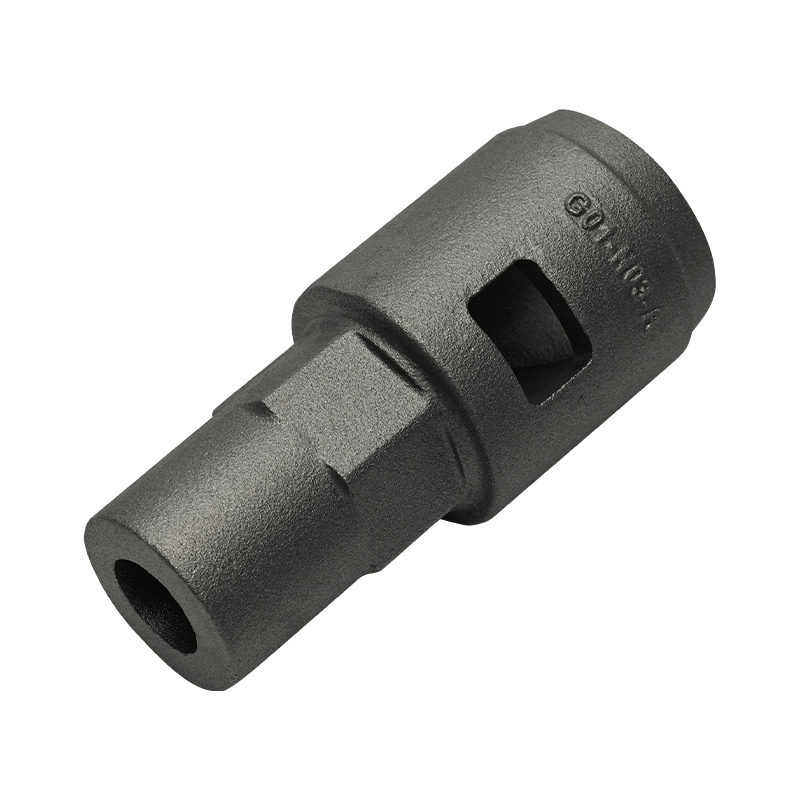
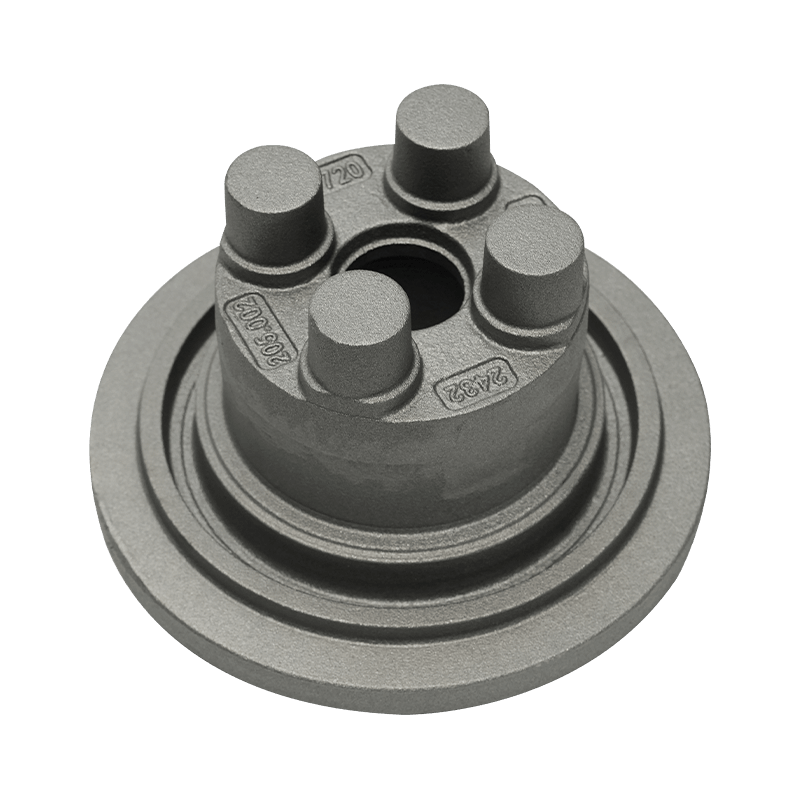
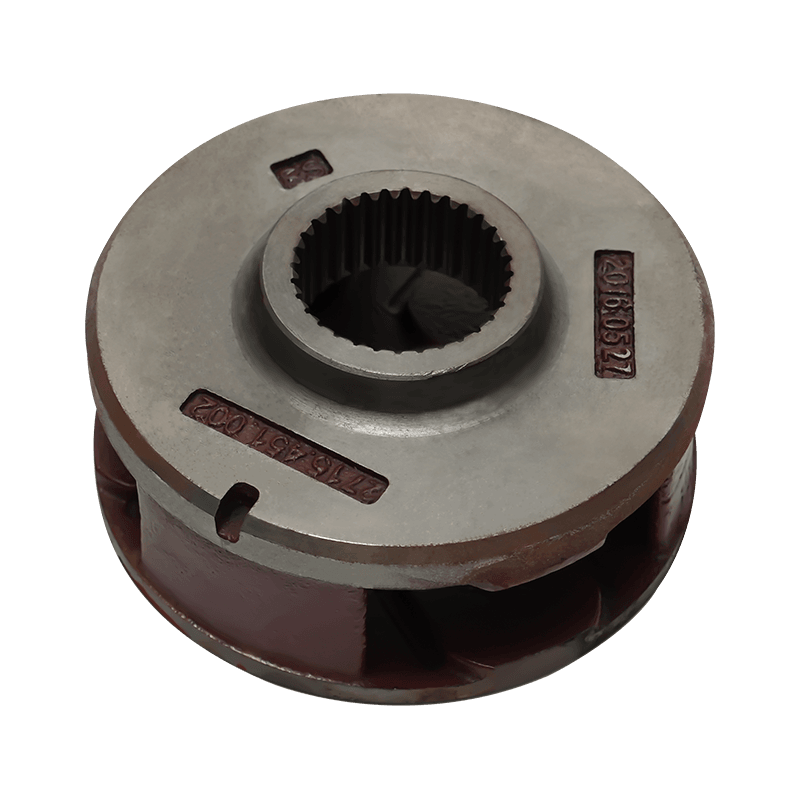
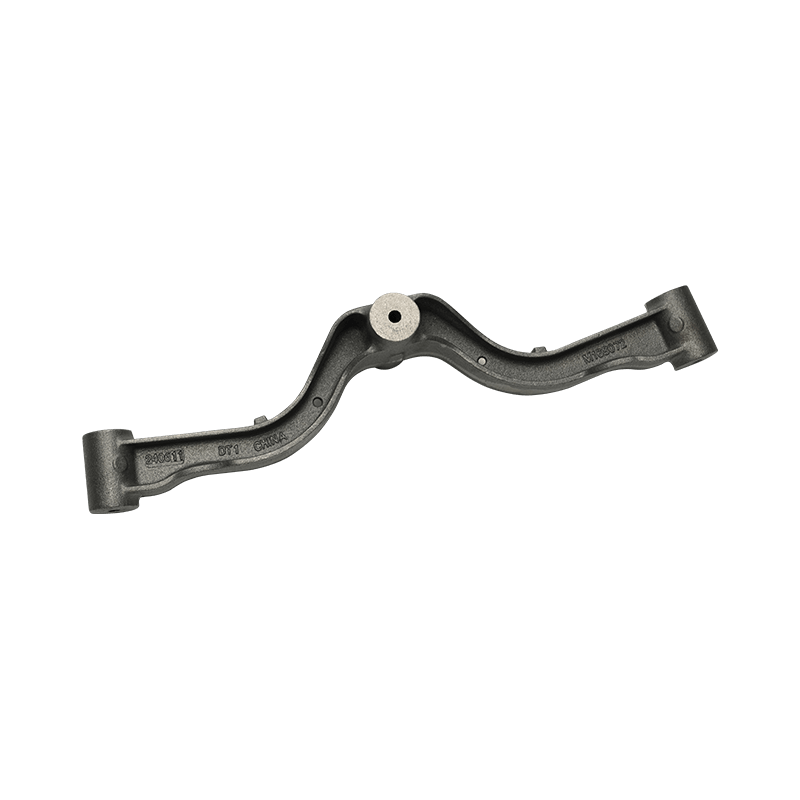
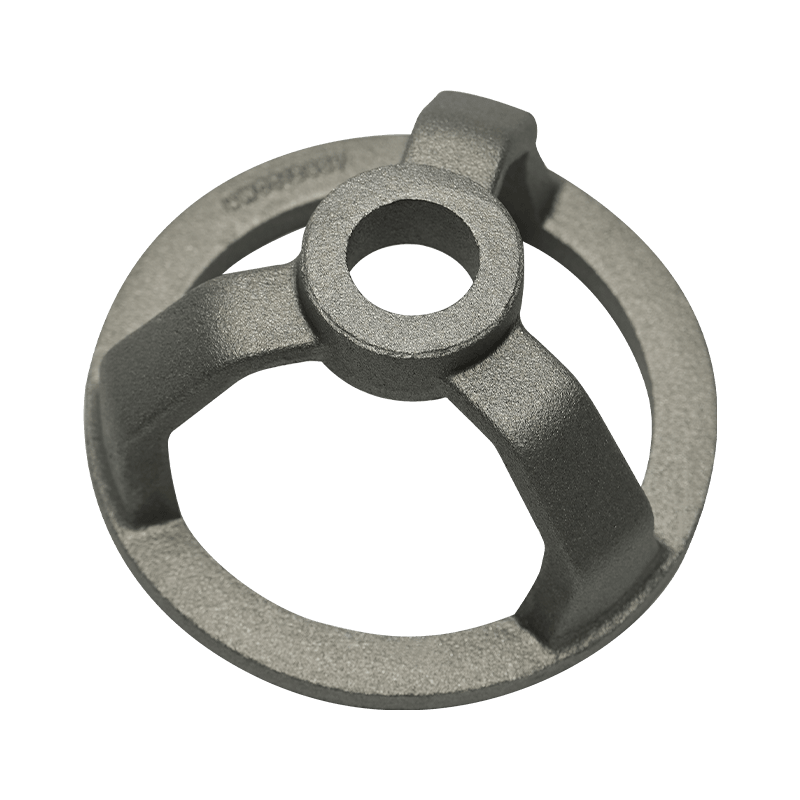
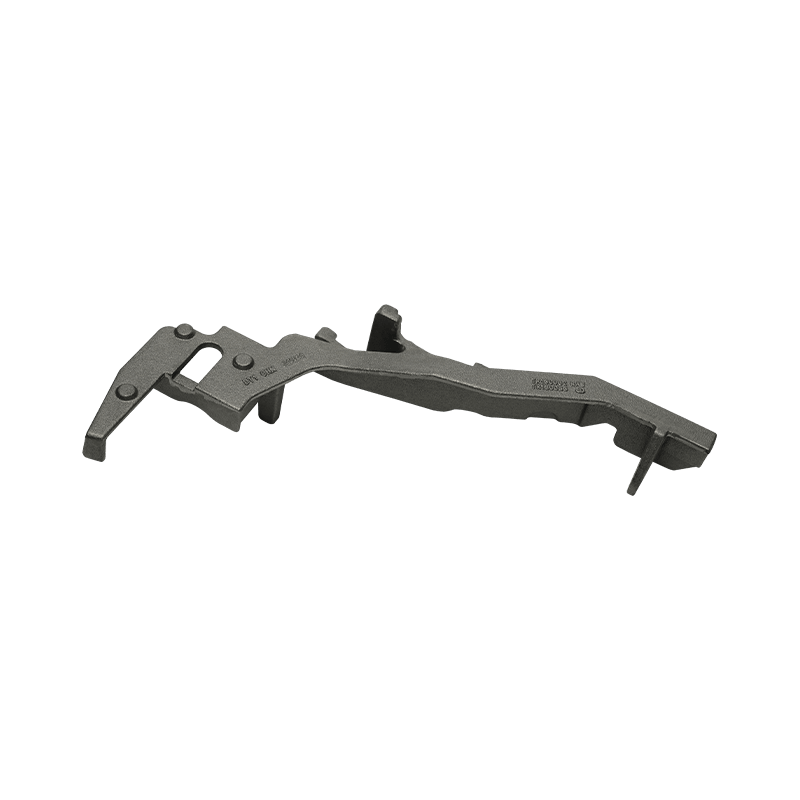
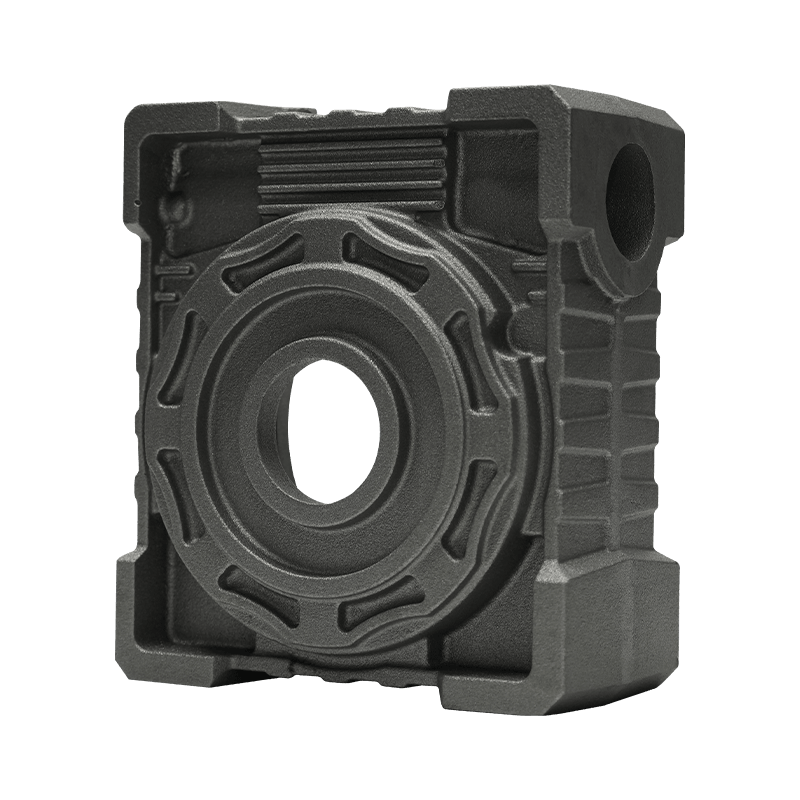
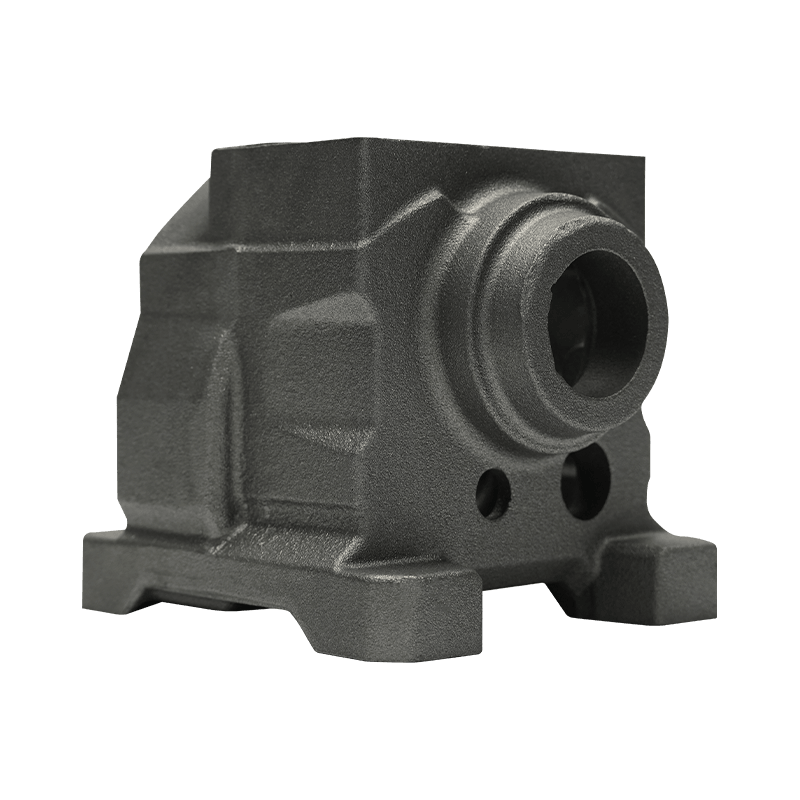
Ductile cast iron is used in a variety of industrial robot accessories, including:
- Robot Arms and Joints: Ductile cast iron provides the necessary strength and durability to withstand the mechanical stresses exerted on robotic arms and joints during operation.
- Frames and Base Supports: The rigidity and corrosion resistance of ductile cast iron ensure that robotic systems maintain stability over extended periods of use.
- Gearboxes and Gears: Ductile cast iron gears are resistant to wear, reducing the likelihood of failure due to abrasion or friction in high-stress environments.
- Bearings and Bushings: Ductile cast iron bearings offer high load-bearing capacity and fatigue resistance, contributing to smoother and more reliable robot movement.
- Mounting Brackets and Fixtures: The precision and impact resistance of ductile cast iron make it an excellent material for brackets and fixtures that secure robotic components in place.